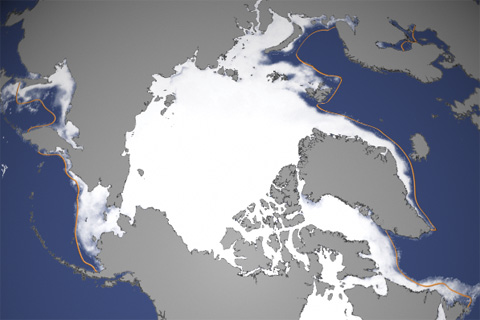
It’s finally here! Yesterday, scientists from the National Snow and Ice Data Center announced the ultimate sign of spring: Arctic sea ice reached its winter peak on March 21, 2014, and the annual melt season is underway.
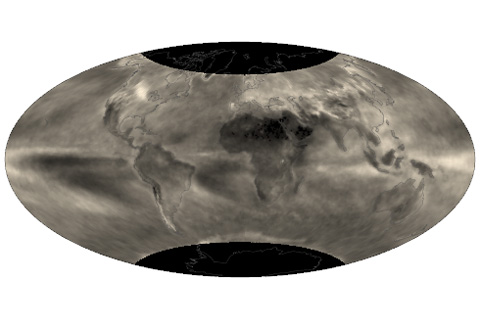
How much sunlight Earth reflects naturally varies a lot. The bigger the range of natural variability, the greater the odds that any evidence of a manmade effort to brighten up the planet would be lost in the “background noise.”
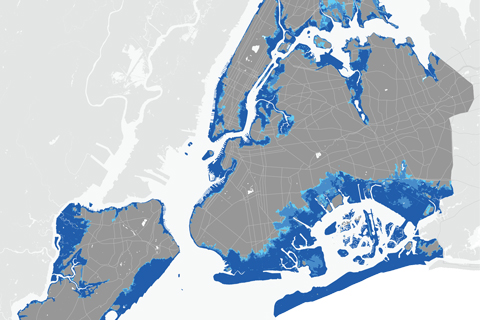
If mid-century projections of sea level rise prove true for New York City, four times as many people may be living in the 100-year floodplain than were previously estimated based only on observed changes.
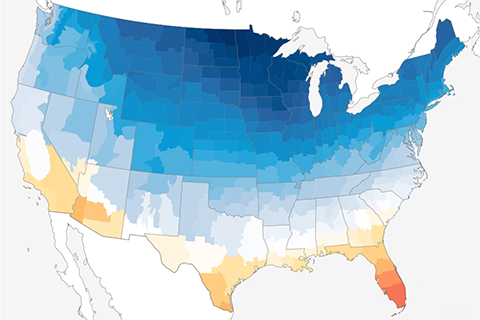
Average temperatures across the contiguous United States in February ranged from frigid to balmy.
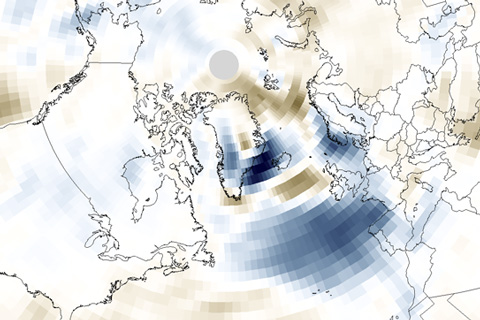
The North Atlantic has spawned an unusually high number of hurricane-force storms this winter, already surpassing last winter's total—and the season isn't over yet.
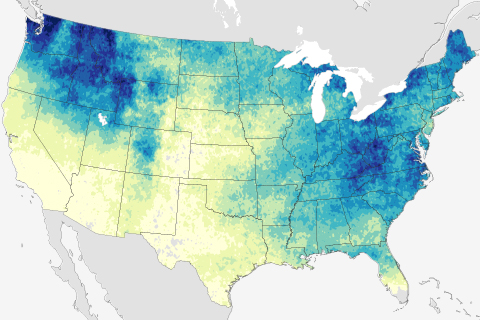
According to the 2009 National Climate Assessment, heavy downpours have increased in frequency and intensity during the last 50 years. Models predict that downpours will become still more more frequent and intense as greenhouse gas emissions and the planet’s temperature continue to rise.
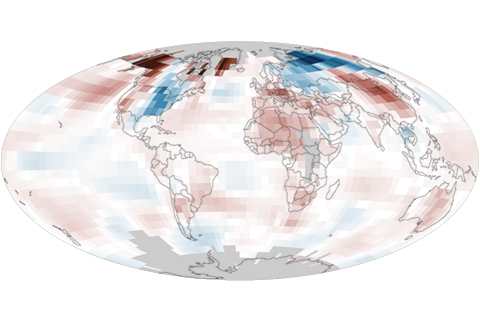
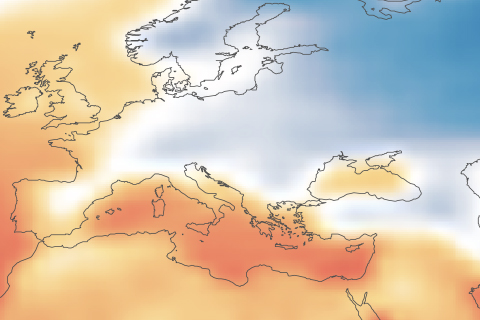
Sochi will be among the warmest cities to have hosted a Winter Olympic Games. Climate change could make many previous Olympic cities unsuitable for Winter Games by the end of the century.
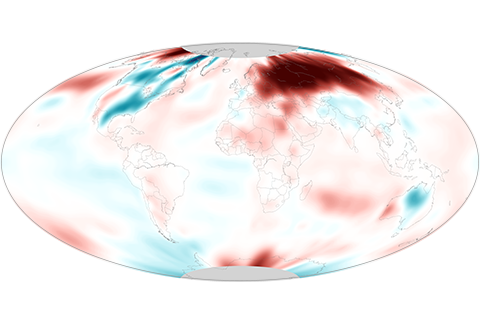
While much of the United States was cooler than average in November, the globe as a whole set a new record for warmth.
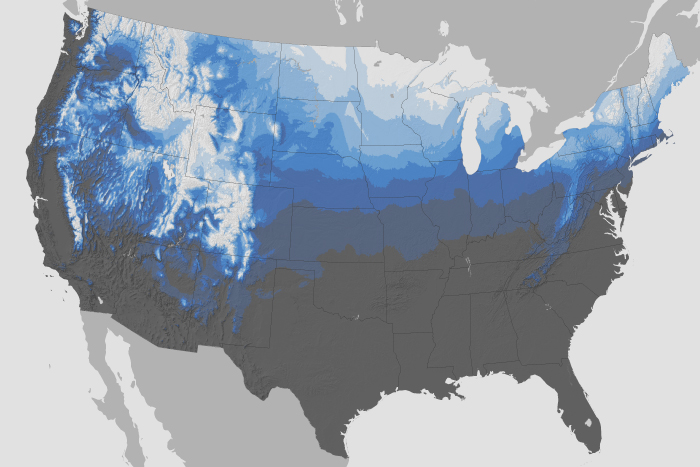
For those of you dreaming of a white Christmas, NOAA has a map showing the historic probability of your dream coming true.