This year's hole in the ozone layer was slightly smaller than last year, and well below the peak size in 2006.
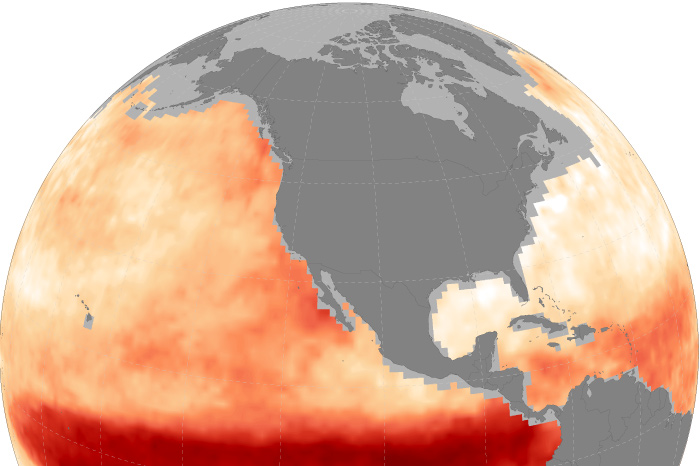
Forecasts provide an opportunity for us to reduce other stress on ocean life and prepare communities for economic impacts.
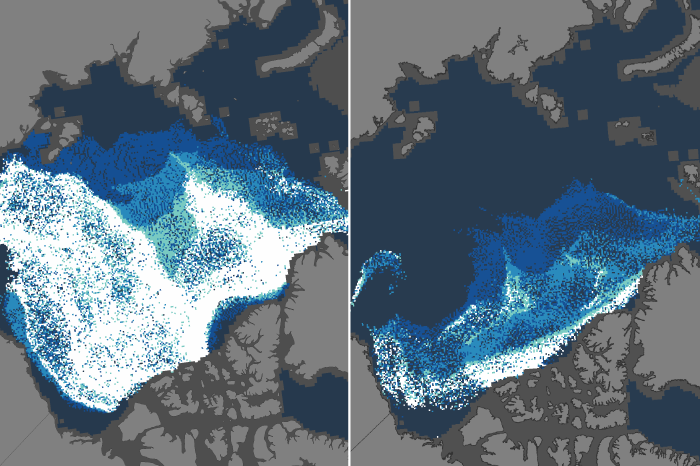
Ice older than 4 years once dominated the winter ice pack in the Arctic. Today, only a tiny fraction of old, thick survives.
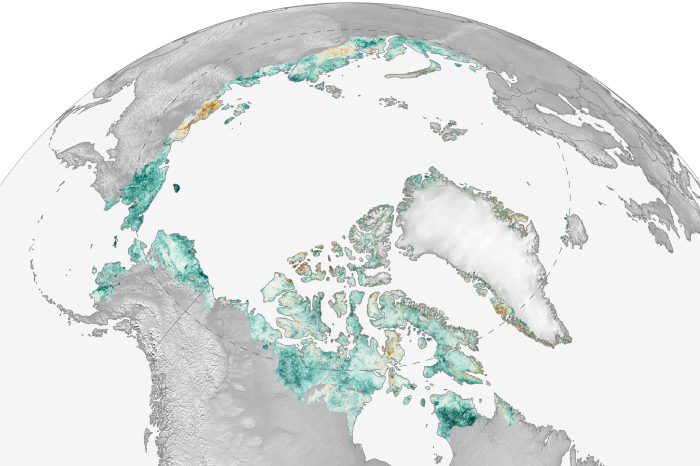
But fires and other disturbances create patches of "browning" in satellites' view of Arctic vegetation.
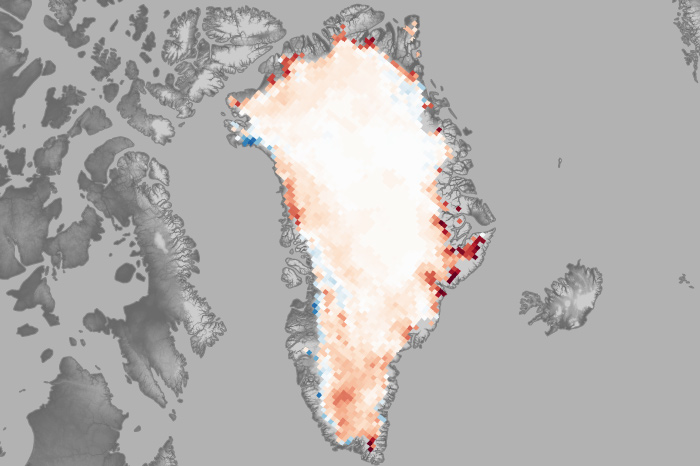
Greenland has lost ice mass every year since 1998. Losses in 2021 would have added about 0.2 millimeters to global sea level.
A record-warm autumn boosted Arctic 2020-21 surface temperatures to the rank of seventh-warmest year on record since 1900.
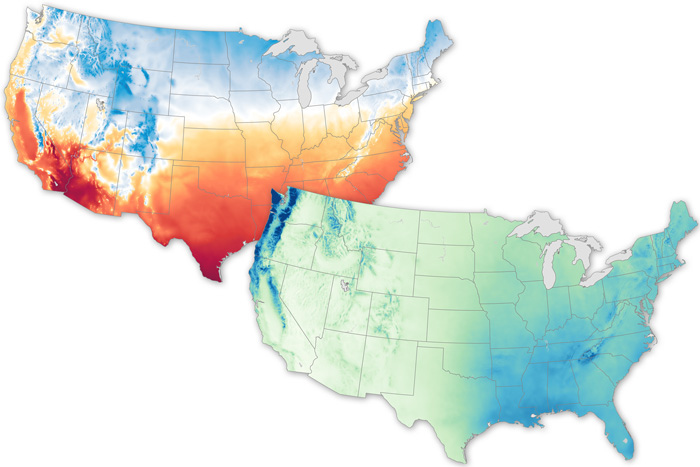
Maps showcase the broad range of climates across the contiguous United States.
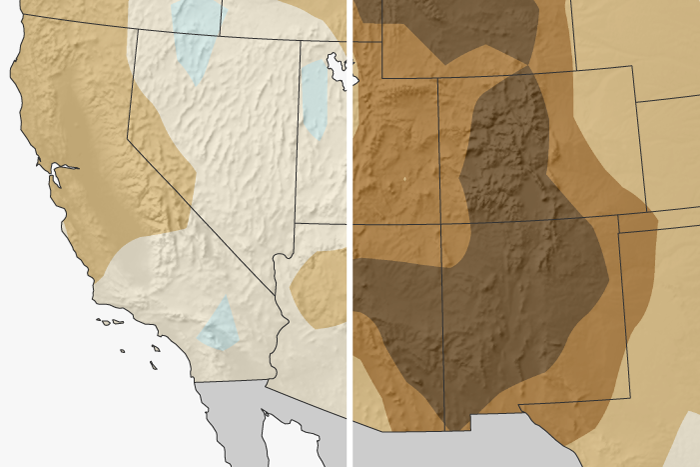
But lower emissions will reduce the intensity of the driest years of megadrought events.
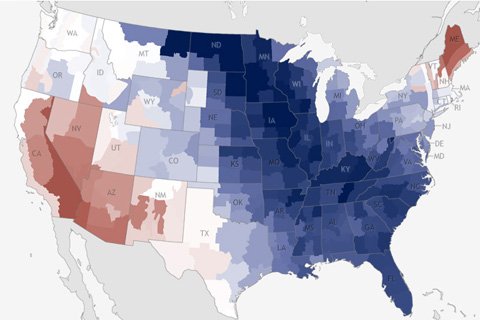
During March 2013, most of the eastern United States was notably cooler than average, with the exception of New England. Along the Rockies, temperatures were closer to normal.