Polar Vortex Blog
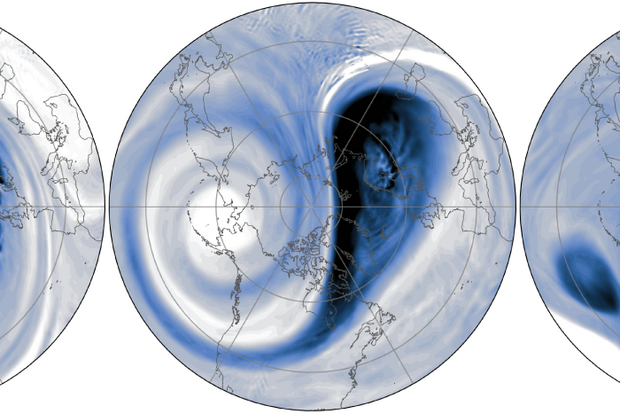
After spending much of the season with super strong wind speeds, the polar vortex bowed out two weeks ago, with the core west-to-east winds sliding off the pole. However, as it winds down for the season, the polar vortex still has a few tricks up its sleeve.
The polar vortex is down but not out…yet
On March 9 [footnote #1], the stratospheric winds at 60°N transitioned from westerly (from the west) to easterly (from the east), indicating a major disruption to the polar vortex. Now that doesn’t mean the polar vortex has completely disappeared just yet. As the animation shows, the vortex moved off the pole, meandering around over Northern Europe.
The latest forecasts sugg…
Read article
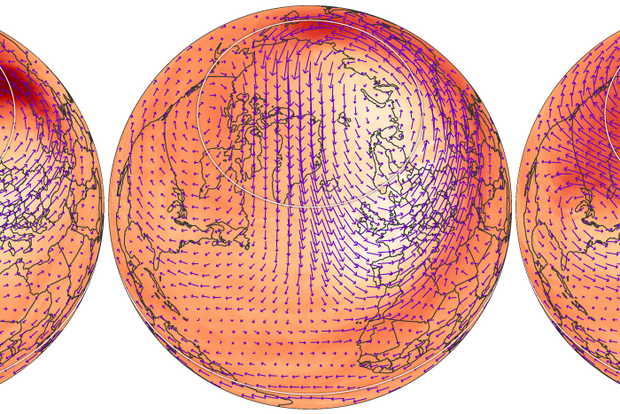
For much of this winter season, the polar vortex winds at 60°N have been racing around the stratospheric polar region. During February alone, these west-to-east winds were two times stronger than normal for that time of year. However, the latest forecasts suggest that the polar vortex is about to switch gears with a major vortex disruption to happen this weekend. Read on to find out why the polar vortex could be bottoming out early this season.
Stratospheric pit stop
At the time of writing this post, the polar stratospheric west-to-east winds are still speeding around the Arctic [footnote #1], but forecasts suggest they are not only going to come to a screeching halt by the weekend…
Read article
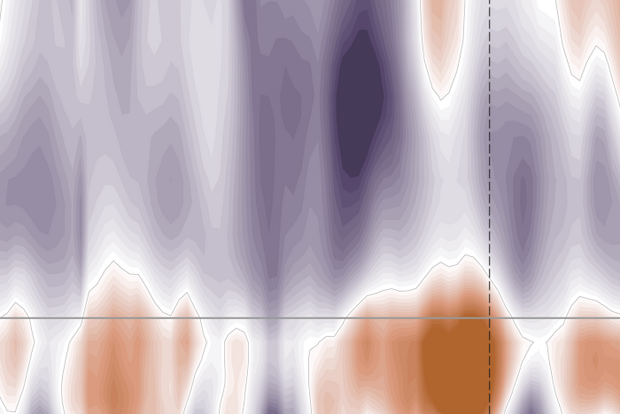
Because this is the Polar Vortex Blog, we would love to be able to tell you how the stratospheric polar vortex is doing super cool things that can explain how cold and snowy it’s been in many parts of the US this winter. But the truth is, in our opinion at least, while the stratosphere has been doing some interesting stretching and wobbling, there’s just not much evidence that this is really the main driver of our winter weather so far this year.
Little typical communication between the stratosphere and troposphere
As we have described before, one measure of “typical” downward coupling between the stratosphere and the troposphere are these plots showing the difference from average …
Read article
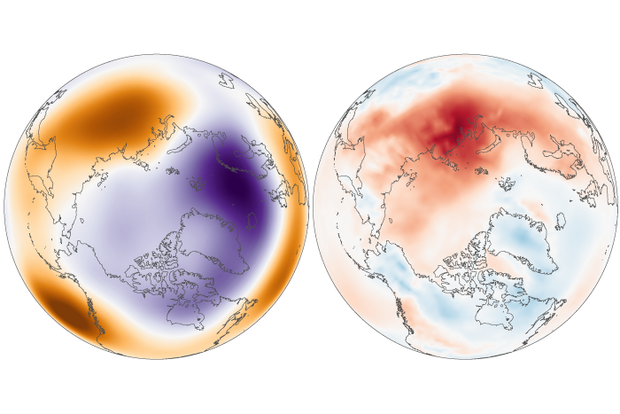
The phrase “polar vortex” is often associated with words and phrases like “cold”, “sweater”, and “please, please, please don’t let my furnace break down now.” The disruption and weakening of the polar vortex winds do increase the odds of a cold air outbreak across the eastern US and northern Europe/Asia (but they don’t guarantee it). However, the polar vortex is a multi-faceted phenomenon. Read on to learn about the less-hyped side of the polar vortex.
There’s more to the polar vortex than just disruptions
We spent much of last season talking about the repeated disruptions in the polar vortex. This is when the stratospheric winds at 60 degrees North weaken substantially (or reverse di…
Read article
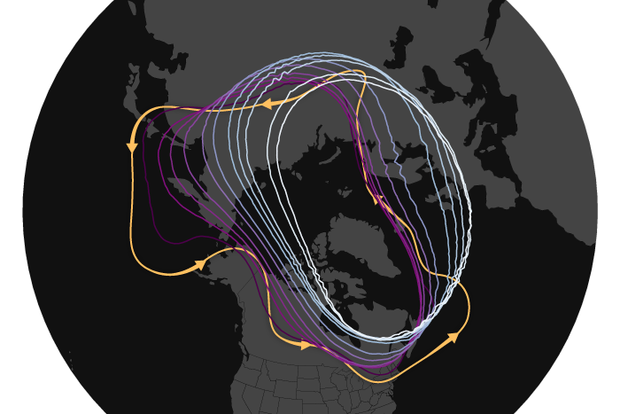
We’re briefly popping in because another surge of very cold air looks to drop down from the Arctic over a large region of the central US this weekend and into early next week. We know that the question will be asked: is the cold related to the polar vortex this time? So here we are to provide some answers.
There are two points we want to emphasize:
1. The polar vortex strength, as measured by the speed of the winds around the 60N latitude circle and 10 hPa pressure level, remains stronger than average, and is currently forecast by most models to return to near-record strong wind speeds into early February.
Normally, if the polar vortex is communicating with the surface, which it…
Read article