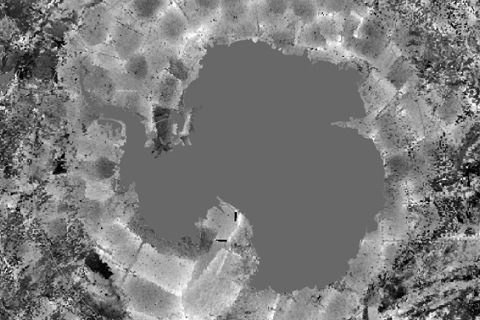
Recovered satellite images of Antarctica showed a larger sea ice extent than ever measured before—but the record was short lived. The record was broken in September 2014, only weeks after the discovery.
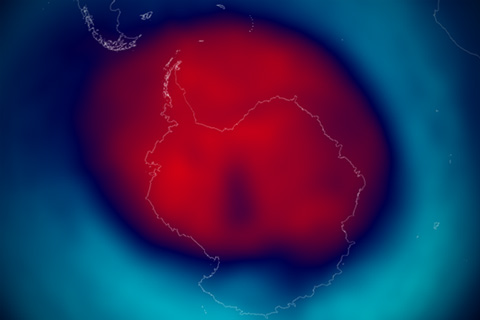
The Antarctic ozone hole did not cause global warming. But there is a connection between climate and the annual thin spot that forms each spring in Earth’s UV-blocking ozone layer: colder winter temperatures tend to lead to larger ozone holes.

Warming ocean temperatures in the Atlantic may allow for the expansion of tropical fish species into areas formerly too cold for them to thrive. Observations from the past decade off North Carolina link warm years with denser populations of the destructive lionfish.
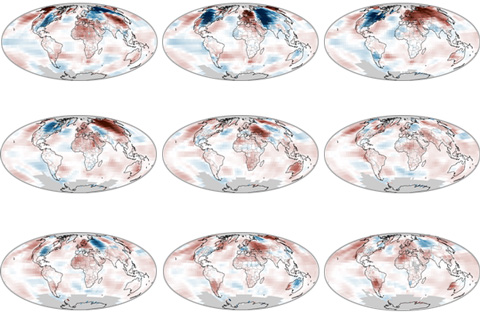
NOAA’s National Climatic Data Center announced that last month was the warmest September on record for the planet. If the surface temperature remains elevated at the same level for the remainder of the year, 2014 will set a new record for the warmest annual average temperature since records began in 1880.
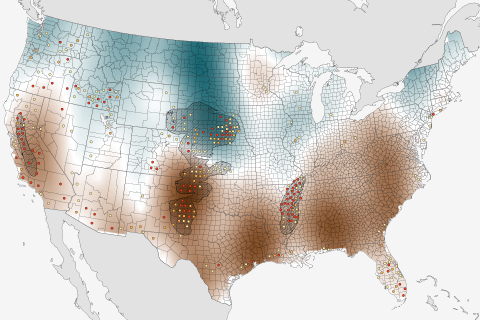
The spotlight may have been on California this past summer, but groundwater reservoirs—often the back-up for surface water supplies during prolonged drought—are in decline across much of the southern United States. Meanwhile, people are using millions of gallons of water per day in regions dependent on groundwater aquifers
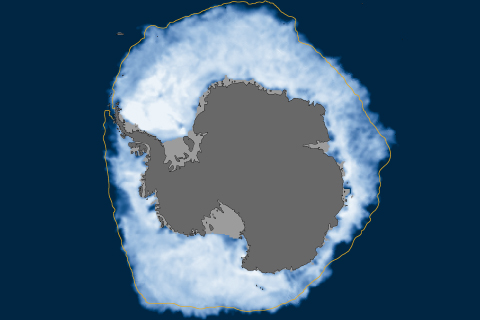
Antarctic sea ice extent set a new record high for daily extent on September 22, 2014. Climate scientists suspect the new record is linked to strong winds and melting ice shelves.
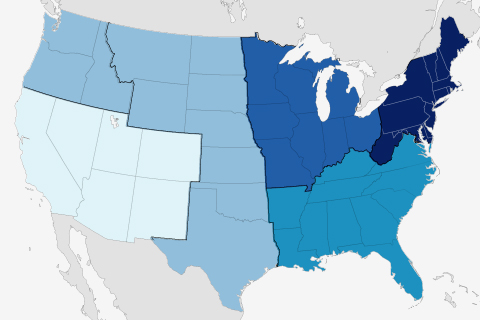
In the Northeast, the amount of rain that came down in very heavy events increased by more than 70 percent between 1958 and 2010. A new law in New York requires state agencies to start thinking ahead about increases in extreme rain and other climate change risks.
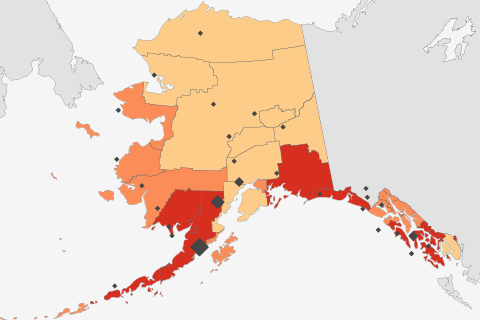
Alaska’s coastal waters are especially vulnerable to the drop in pH—acidification—that comes when excess carbon dioxide dissolves into the ocean from the atmosphere. These maps show relative risk levels for commerical and subsistence fisheries.
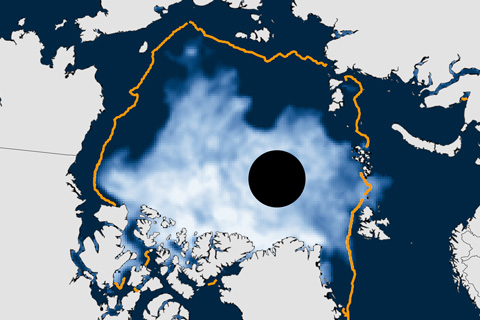
The annual minimum was 5.02 million square kilometers (1.94 million square miles), making 2014 the sixth smallest extent in the satellite era, which began in 1979.
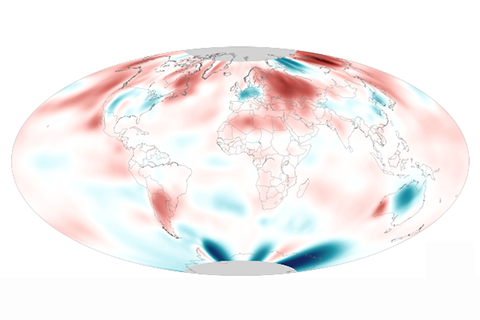
August 2014's globally averaged surface temperature and sea surface temperatures both set new records.