
This animated gif tracks the emergence and decay of La Niña in the tropical Pacific from August 2017-April 2018.
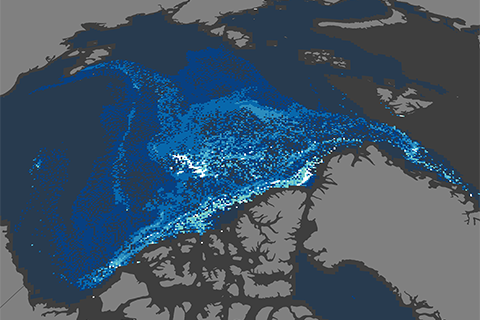
Old ice continues disappearing from the Arctic Ocean, continuing a decades-long pattern.
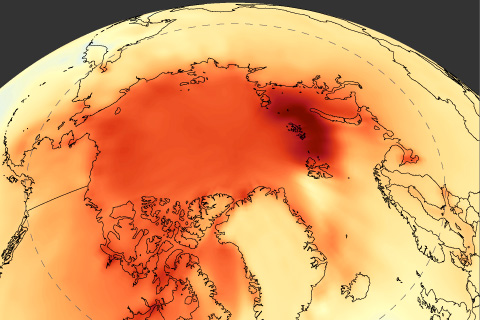
Models suggest 2016's extreme warmth may be the Arctic's new normal within a decade.
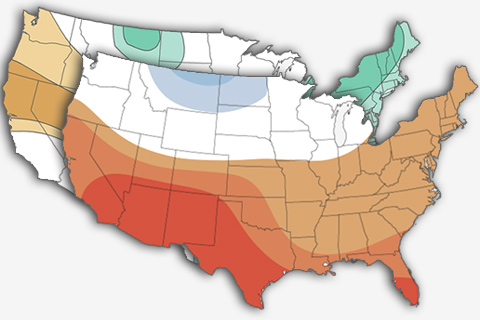
The chances that May-July temperatures will be well above normal are better than 50% across much of the southwestern United States and New England.
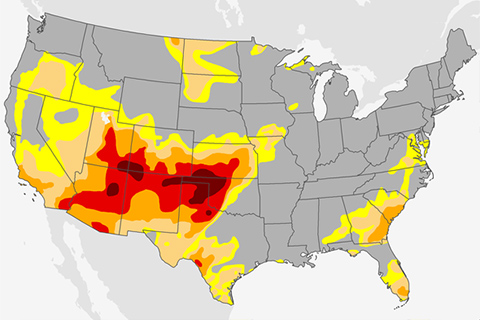
A dry winter set the stage for widespread and severe drought across the Southwest and Southern Plains.
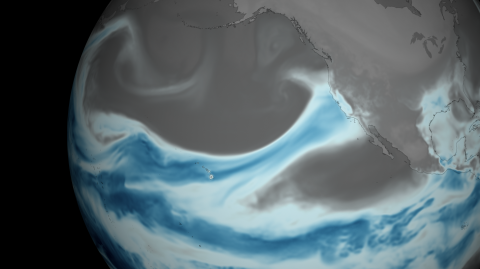
Usually a winter phenomenon, another late-season atmospheric river brings soaking rains to northern California.
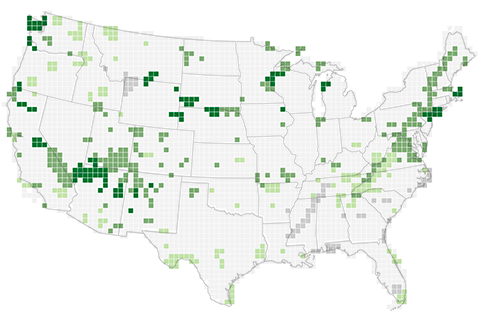
A recent analysis of 276 National Parks found that about three-quarters of them are experiencing earlier springs. The changes in when leaves and flowers emerge affect not just pollinators, but also park staff, who have to budget and prepare for earlier visitors.
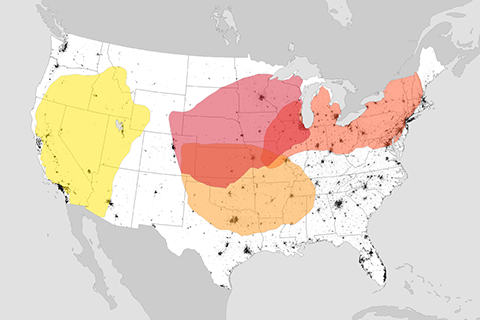
Influence of global warming on U.S. heat waves may be felt first in the West and Great Lakes regions
Global warming will make heat waves hotter, longer, and more frequent. Communities in the U.S. West and the Great Lakes region may have the least time to prepare.
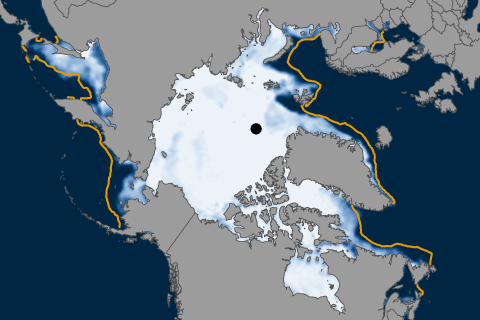
The 2018 winter sea ice maximum in the Arctic slipped into second place on the list of four smallest extents on record, all of which have occurred in the past 4 years.
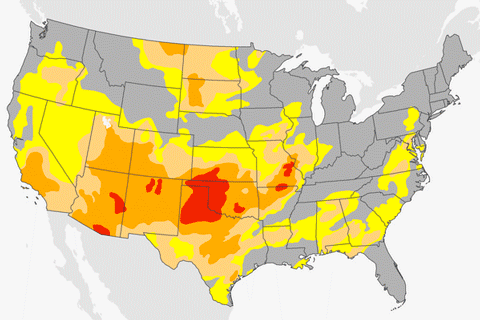
A lack of precipitation across the southern and western United States has led to growing drought this winter.