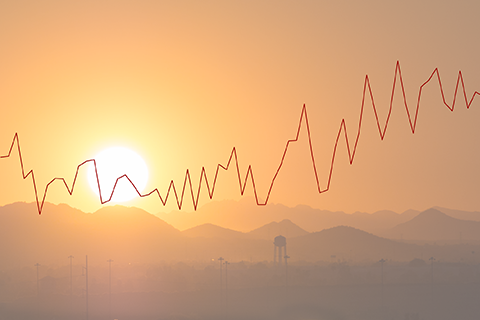
In 2017, land areas recorded more than 60 days of extreme daytime heat worldwide, nearly double the 1961-1990 average.

Large areas of severe or extreme drought affected every continent except North America in 2017. Extreme drought conditions affected at least 3 percent of the global land area in every month of 2017.
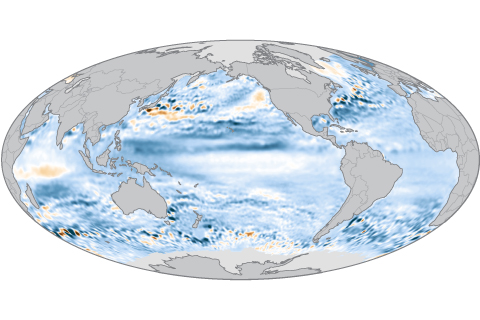
Global mean sea level in 2017 was the highest in the satellite record—3 inches (77 millimeters) higher than it was in 1993—and the rate of increase has been accelerating.
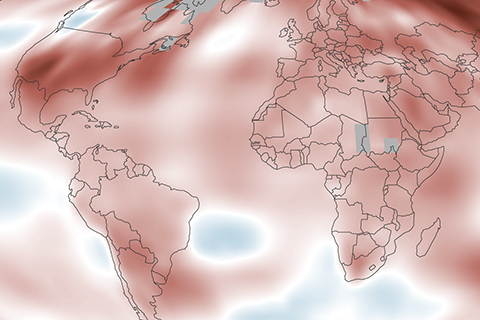
Global temperature in 2017 was the warmest of any non-El Niño year in the instrumental record. Since 1901, the planet’s surface has warmed by an average of 0.7–0.9° Celsius (1.3–1.6° Fahrenheit) per century, but the rate of warming has nearly doubled since 1975 to 1.5–1.8° Celsius (2.7–3.2° Fahrenheit) per century.
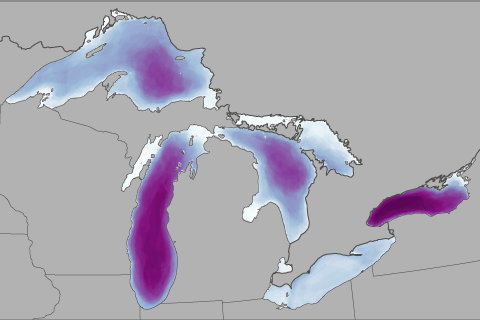
Ice cover on the Great Lakes has been decreasing since the 1970s, affecting everything from fishing to shipping.
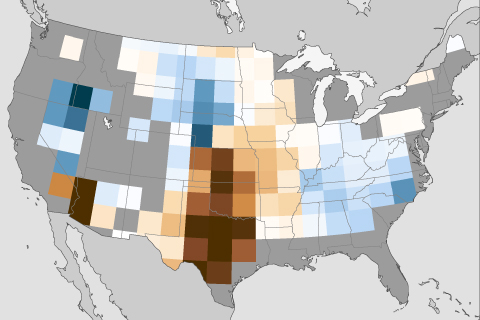
Impacts of global warming on Great Plains summer rainfall and vegetation are biggest unknowns.
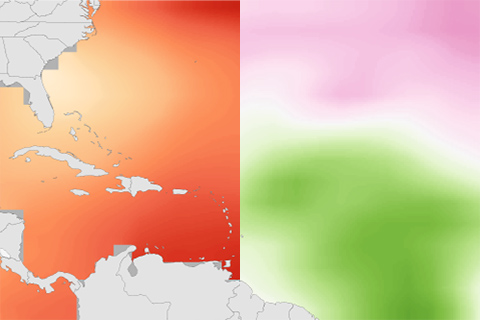
But basin-wide quiet periods favor rapid intensification of U.S. landfalling hurricanes.
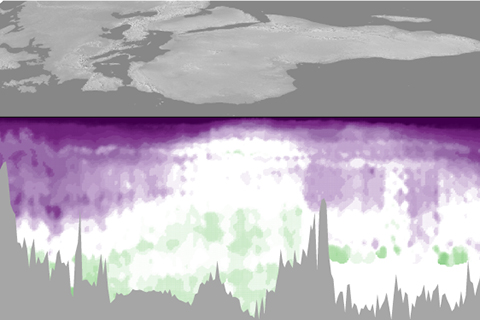
About a third of the carbon dioxide released by fossil fuel burning winds up in the global ocean. Repeat cruises help scientists understand what happens to that carbon below the water surface.
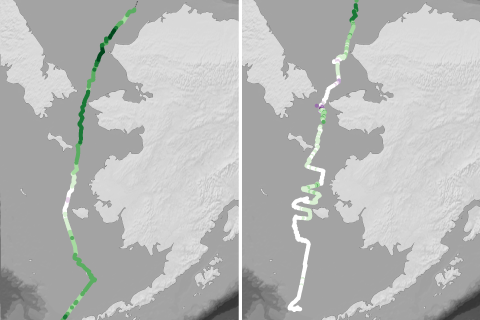
A saildrone observed the growth and decay of a bloom of ocean plants in the Alaskan Arctic in late summer 2017. Such blooms affect the rate of regional ocean acidification, which occurs as surface waters absorb human-produced carbon dioxide.
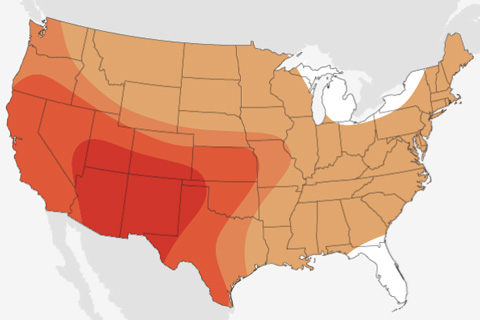
Most of the United States has better than even odds of June temperatures being in the warmest third of the 1981-2010 climate record.