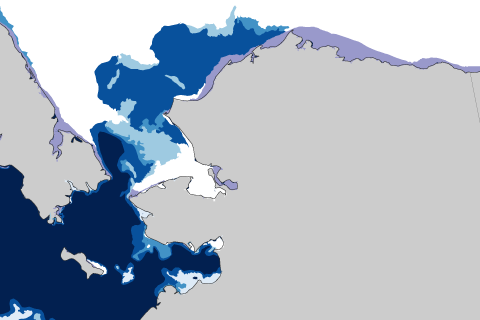
A mild winter and warm spring have led to a large patch of open water in the Chukchi Sea off Alaska, an extremely unusual—possibly unprecedented—occurrence for mid-May.
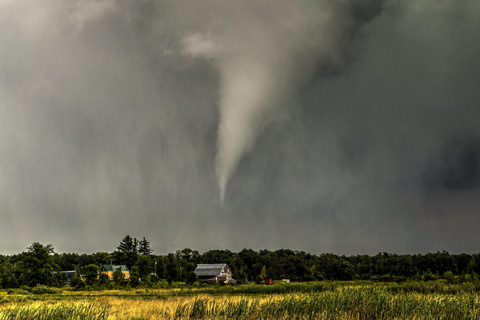
The 2017 tornado season across the United States has gotten off to an active start. As of April 22, 570 tornadoes have been reported, which is almost a hundred more than average.
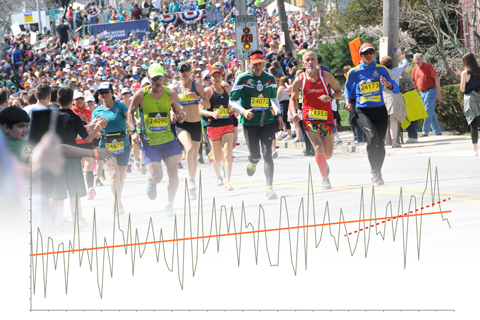
The Boston Marathon takes place every year on the third Monday in April. The average daytime high temperature in April has been warming rapidly in recent decades, making uncomfortable race days more likely.
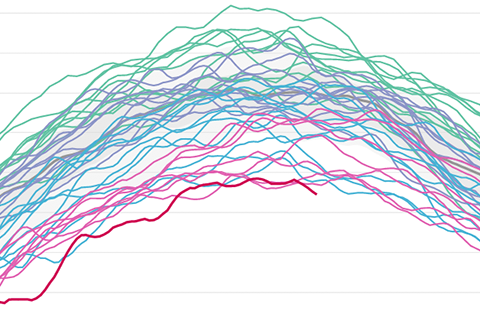
Despite being at opposite points of the annual cycle, the Arctic and Antarctic had something in common in March 2017: record-low sea ice extents.
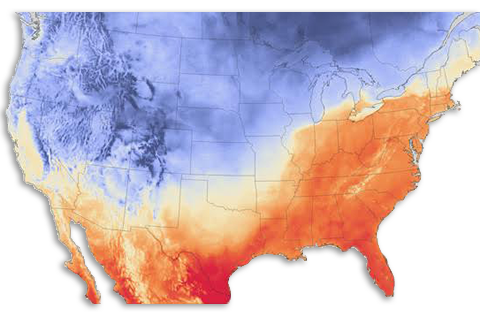
Extremely mild temperatures broke records across the central and eastern United States at the end of February.
Mild days—perfect for an outdoor picnic or a nice hike—are expected to drop about 14 percent by the end of the century, according to new research.
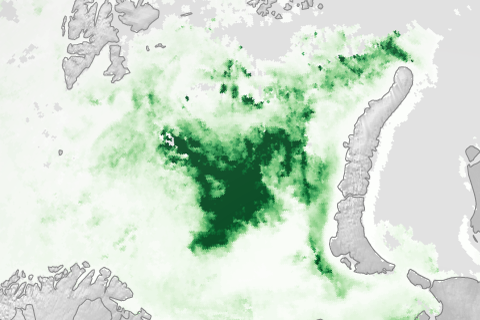
Springtime melting and retreating sea ice allowed more sunlight to reach the upper layers of the ocean, stimulating widespread blooms of algae and other tiny marine plants which form the base of the marine food chain: a sign of the rapid changes occurring in a warming Arctic.
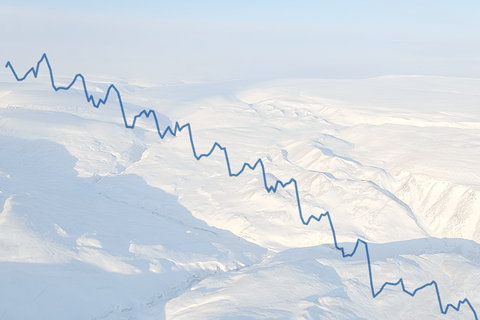
Although surface melt did not set a new record in 2016, the Greenland Ice Sheet did continue a long-term trend of decreasing mass, according to the latest Arctic Report Card from NOAA and its partners.
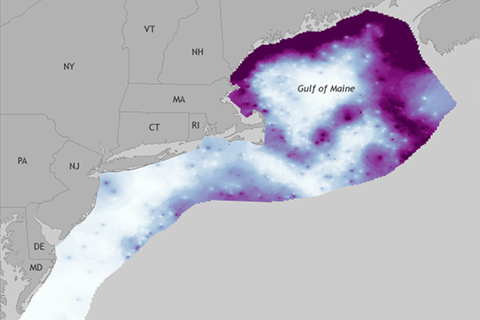
Warming sea surface temperatures from climate change are pushing populations of the American Lobster (Homarus americanus) farther north than ever before.
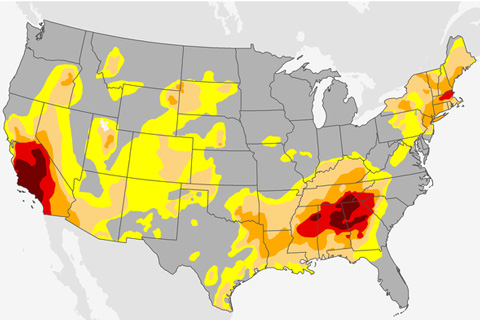
Multi-year drought in California has been joined this summer and fall by extreme and exceptional drought across the Southeast and moderate to severe drought in parts of New England.