How do warm waters in the Caribbean this year compare to conditions in 2005, when high ocean temperatures triggered the worst mass coral bleaching event ever seen in the region?
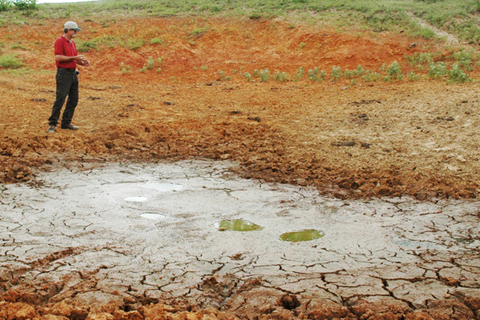
Ponds that were built to hold significant amounts of water for cattle are dwindling away under the hot temperatures, dry winds and lack of rain.
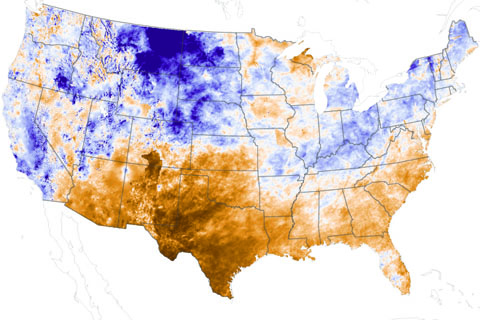
In summer 2011, the South was in the grip of one of the worst droughts on record. Many parts of New Mexico and western Texas have received a small fraction of their normal rainfall over the past 10 months.
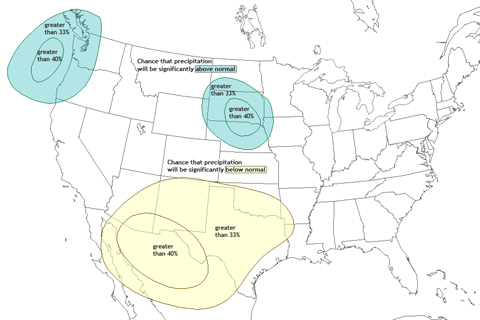
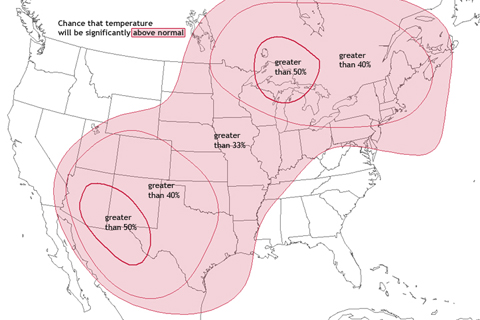
After enduring months of drought and baking summer heat, residents of the Southwest and Southern Plains will hardly be excited about the fall 2011 temperature and precipitation outlooks.
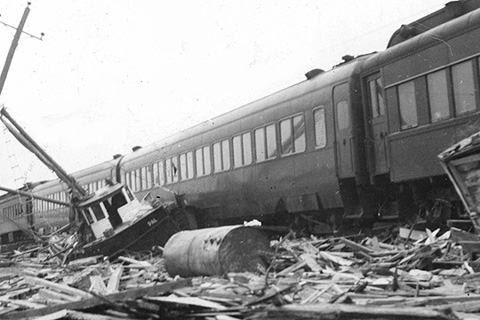
As the East Coast prepares for the arrival of Hurricane Irene, New Englanders may be recalling a similarly threatening storm that walloped the area 73 years ago.
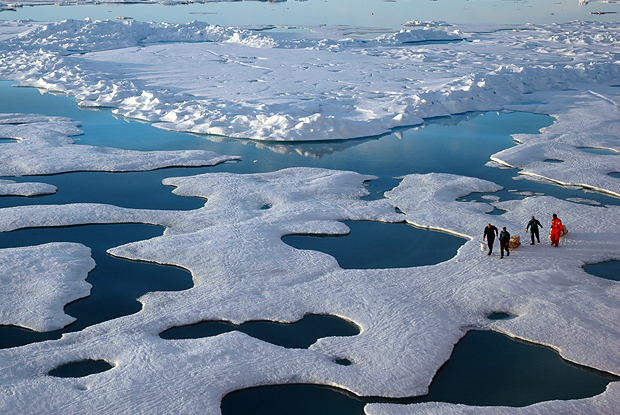
Each summer, the seasonal unraveling of the Arctic’s blanket of ice exposes large areas of the ocean to solar heating. The smaller the ice extent, the larger the potential warming influence. Arctic sea ice extent in July 2011 was the lowest for that month in the satellite record.
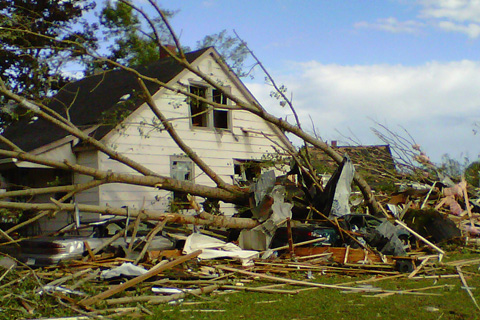
What began as an ordinary Sunday on August 21, 2011, became anything but ordinary for residents of Goderich, Ontario, as an EF-3 tornado (winds between 136-165 mph) ripped through their historic town.
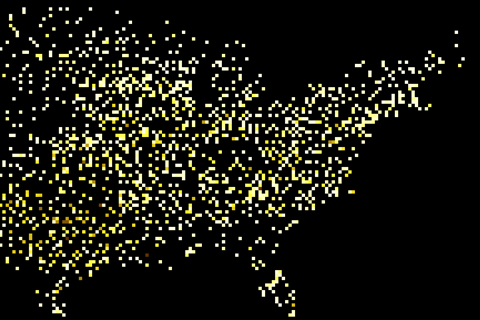
A map of each location where a daily heat record was broken in July 2010 creates a nearly complete image of the contiguous United States.
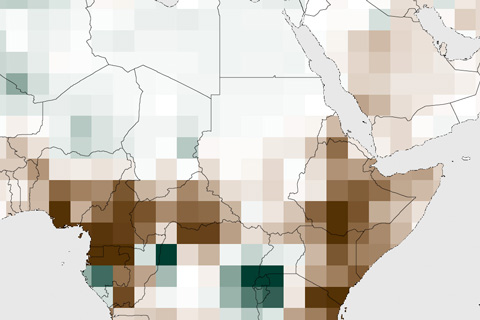
In the semi-arid Horn of Africa, rain comes in two seasons: the “short rains” of October-December and the “long rains” of March-June. In late 2010 and early 2011, both rainy seasons brought scant rain to the region, which led devastating drought across several countries in 2011. In Somalia, the drought escalated to famine.
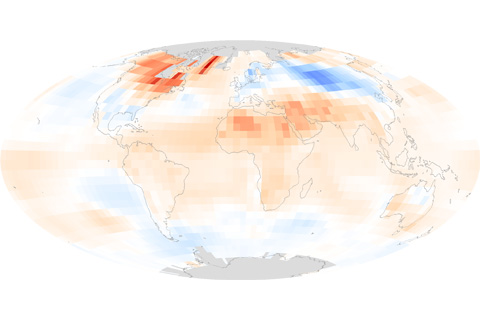
Two natural climate patterns, the Arctic Oscillation and the El Niño-Southern Oscillation, had strong influences on the patterns of unusually warm and unusually cool spots worldwide in early and late 2010.