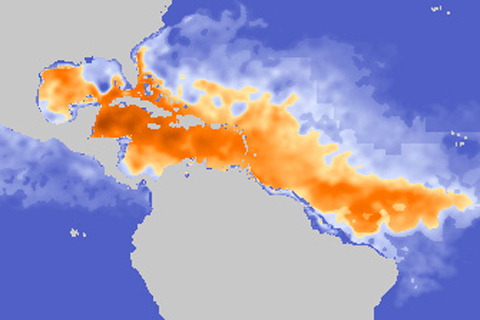
Identifying ocean areas with a deep layer of warm water—places that are storing large amounts of heat—is important for scientists trying to predict whether or not a hurricane will intensify.
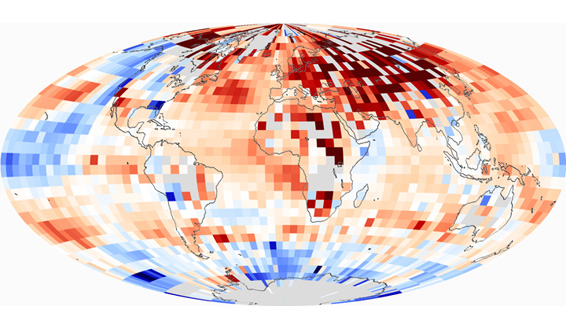
Each of the last three decades was warmer than all earlier decades in the instrumental record, and each set a new and statistically significant record, culminating in the 2000s, which was the warmest decade of all.
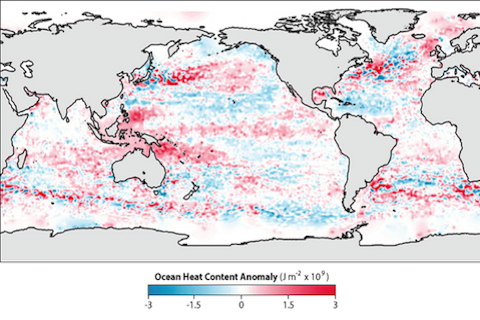
Recent studies show the world’s ocean is heating up as it absorbs most of the extra heat being added to the climate system from the build-up of heat-trapping gases in the atmosphere. This climate trend, and many others, are documented in NOAA’s newly released 2009 State of the Climate Report.
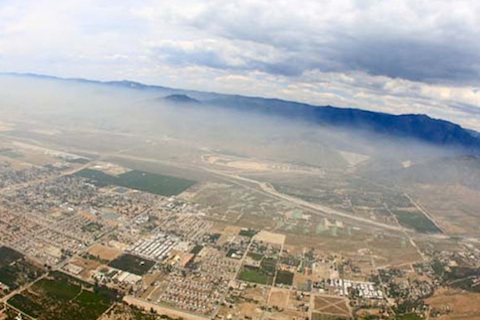
CalNex—an intense data collection campaign to characterize the complicated interactions of air quality and climate over California—used an array of instruments and platforms this spring for a close look at greenhouse gases and pollutants.
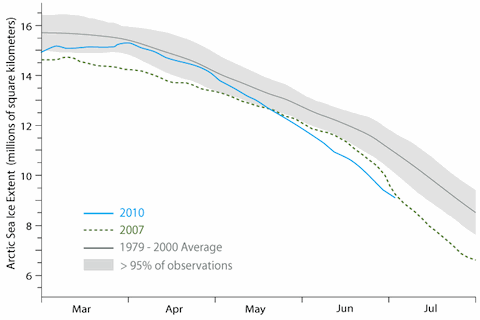
In 2007, Arctic sea ice retreated so dramatically that it broke all previous records for sea ice minimum for July through October. Is this year’s summer ice melt season on track to surpass 2007?
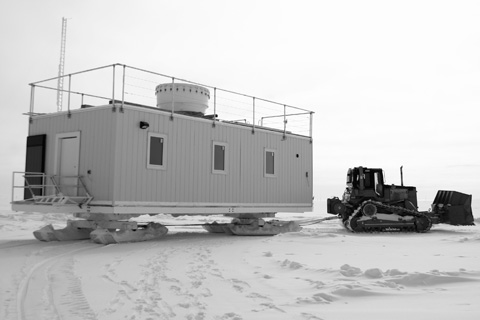
At the highest point atop the Greenland Ice Sheet, Matthew Shupe and his colleagues are installing a suite of climate and weather instruments. Their goal is to better understand the role of clouds in the rapid warming observed across the Arctic region.
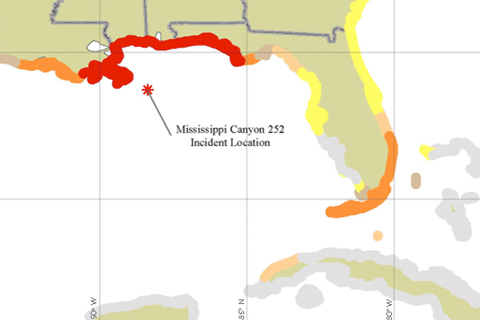
Will ocean currents carry oil and byproducts from the Deepwater Horizon wellhead beyond the Gulf of Mexico and out into the open Atlantic Ocean? Climate data and computer models help scientists predict how and where.
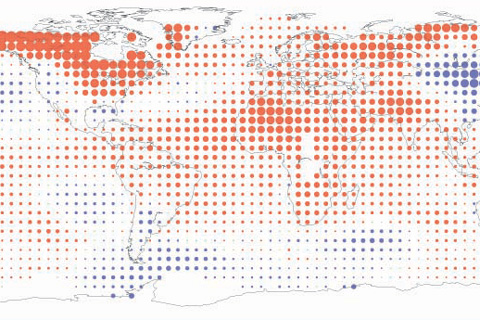
Across the globe, over land as well as sea, Earth’s average surface temperature for April 2010 made it the warmest April on record.
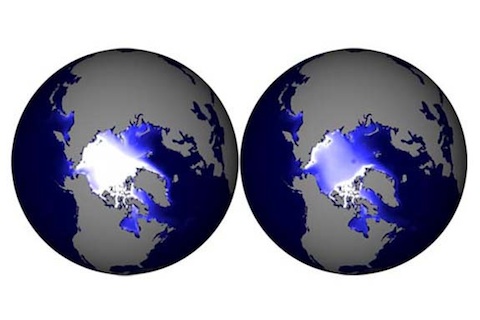
Scientists examine data from computer models to generate simulations of sea ice thickness now and three decades into the future.
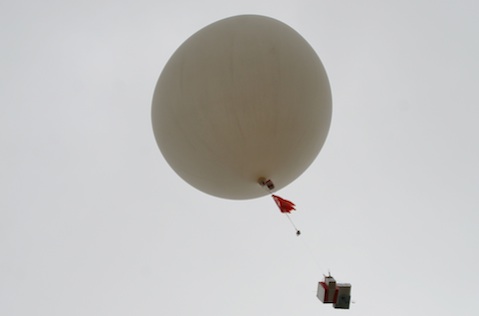
Twice a month, scientists send weather balloons into the air to collect data about the atmosphere, from the ground all the way up to the darkness of near space. Many gathered for the launch of last week’s balloon, which marked 30 years of NOAA water vapor measurements in Boulder.