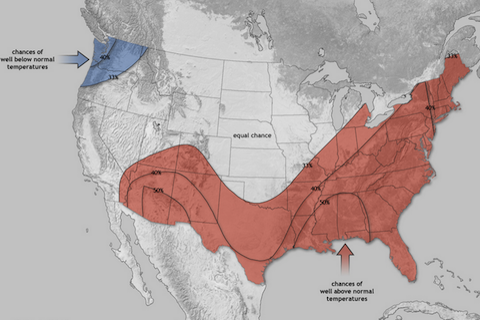
According to NOAA’s 2012 Spring Outlook, odds are that dry conditions and above-average temperatures will persist in much of the South, where drought is still lingering after making headlines in 2011. But last year’s most devastating flood events are unlikely to repeat.
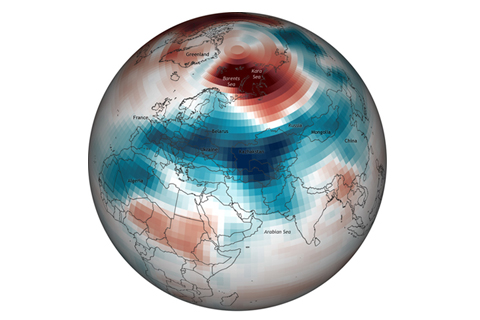
For Europe, the first two calendar months of winter were mild. As if to make up for lost time, however, exceptionally cold weather arrived in late January and remained firmly entrenched for weeks.
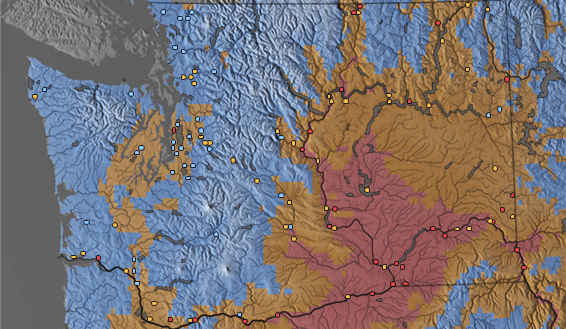
Modeling predicts that increasing greenhouse gas emissions will significantly increase thermal stress on Pacific Northwest salmon in coming decades, making the hard job of restoring endangered wild salmon even harder.
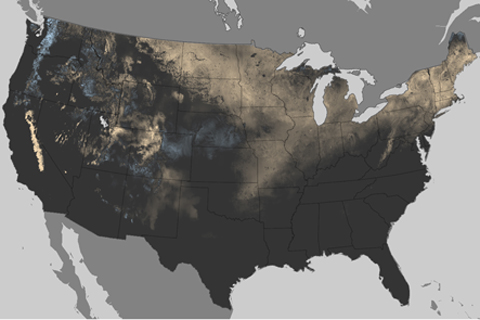
Last year on Groundhog’s Day, large swaths of the country were covered in two feet of snow or more after a large storm pounded the eastern United States. This year, Punxsutawney Phil emerged from his den on a balmy day after the third-least snowy January on record. A comparison of snowfall (or lack thereof) so far this season to last year's winter white-out shows what a difference a year makes.

Amid months of persistent heavy rains, some areas in Zimbabwe received their heaviest rainfall in 30 years during January, causing flooding and damage to crops.
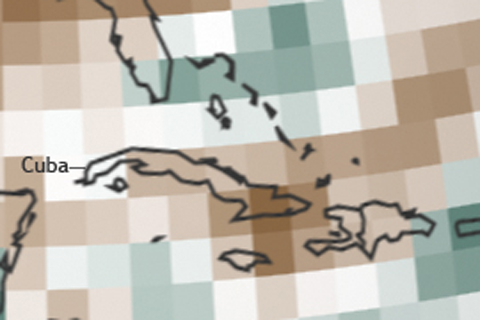
Cuba experienced extreme drought conditions in 2011, marking one of the driest years in the nation’s history and causing serious shortages in water supplies.
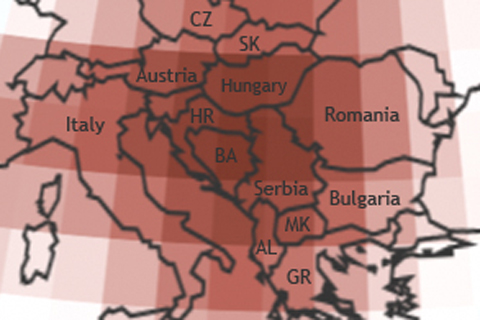
During the third week of August, portions of southern Europe and western Russia experienced a heat wave. Temperatures skyrocketed near 90 to over 100°F over several consecutive days, prompting emergency heat alerts.
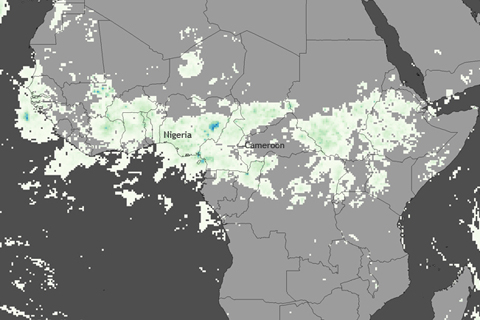
In August 2011, over seven inches of rain fell in a six-hour downpour in southwestern Nigeria. The torrential rains caused flooding and damage to infrastructure, buildings, and homes.
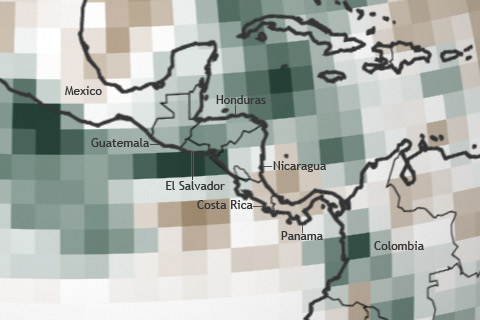
From October 10-20, 2011, two separate storm systems dumped nearly five feet of rain across southern Central America, causing flooding and landslides in several areas.
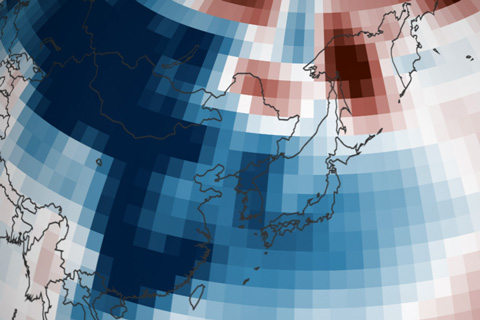
Cold weather settled over Japan and the Korean Peninsula in January 2011, and for the first time since 1986, Japan experienced below-normal January temperatures.