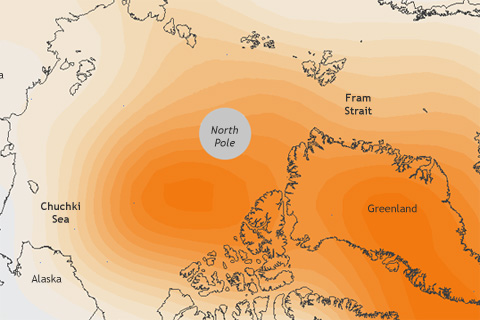
For James Overland, an Arctic oceanographer at NOAA’s Pacific Marine Environmental Laboratory, six exceptionally slushy summers in a row in the Arctic demanded an explanation that went beyond the obvious: that global warming is raising the Arctic’s temperature. After analyzing winds and pressure patterns, Overland and several colleagues documented an unusual shift in the prevailing June winds—from westerlies to southerly—that amplified Arctic warming and sea ice melt.
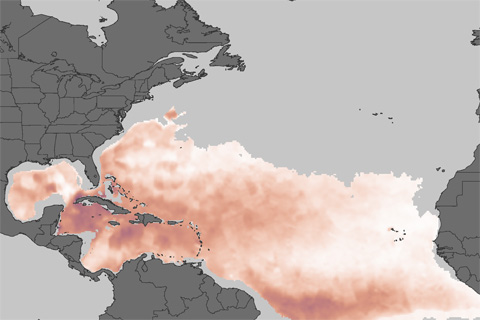
With the end of the most active part of the Atlantic hurricane season approaching, there is still plenty of water in the western Atlantic basin that is warm enough to fuel hurricanes.
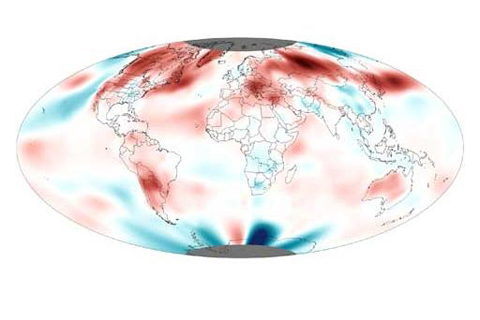
September 2012 tied with September 2005 as the warmest September worldwide since record keeping began in 1880. See which countries saw warmer-than-average temperatures during last month, and learn how weak El Niño conditions might progress into the Northern Hemisphere winter.
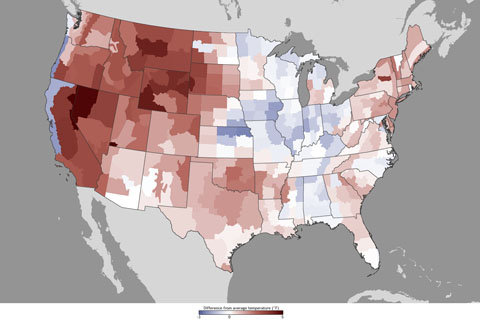
According to the latest statistics from NOAA’s National Climatic Data Center, September 2012 marked the sixteenth consecutive month with above average temperatures for the Lower 48. Meanwhile, warm and dry conditions persisting in the Northwest have led to yet another month with above-average wildfire activity in the region.
As March began, people living the eastern United States were enjoying warmer temperatures, budding flowers, and other signs of the approaching spring season. But on the opposite coast, a series of wintry storms rolled through the already snow-packed Cascades, leaving behind several feet of powder and sparking avalanche warnings throughout the region.
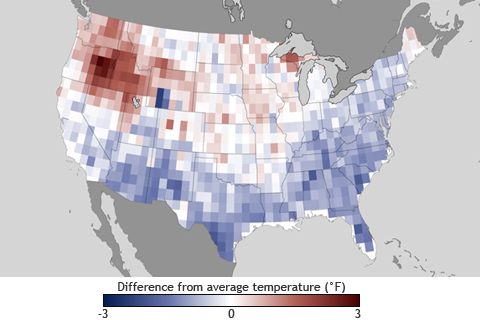
According to NOAA’s Climate Prediction Center, weak El Niño conditions may develop this fall. How might a full-fledged El Niño event this winter influence weather where you live?
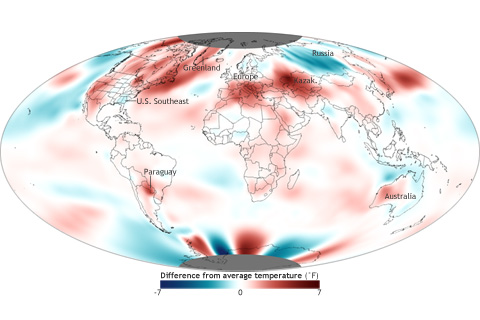
The average global temperature for August 2012 was more than 1° Fahrenheit above the 20th-century average, according to the latest monthly analysis from the National Climatic Data Center, making it the fourth-warmest August since record keeping began in 1880. August 2012 also marked the 36th consecutive August and 330th consecutive month with a global temperature above the 20th-century average.
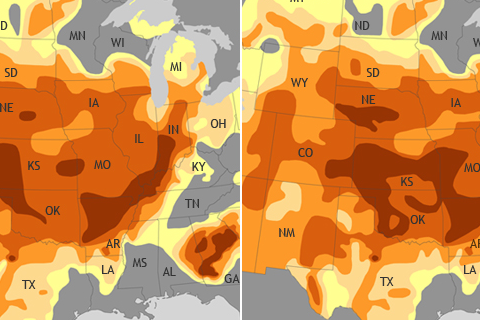
It’s a discouraging fact that drought reinforces drought, especially in the summer. The Southern Plains were in the tight grip of that feedback loop in August 2012.
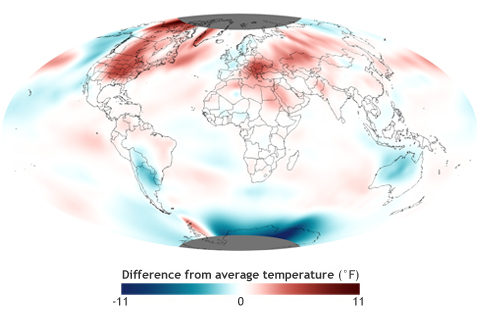
The average global temperature for July 2012 was more than 1° Fahrenheit above the 20th-century average, making it the fourth warmest July since record keeping began in 1880
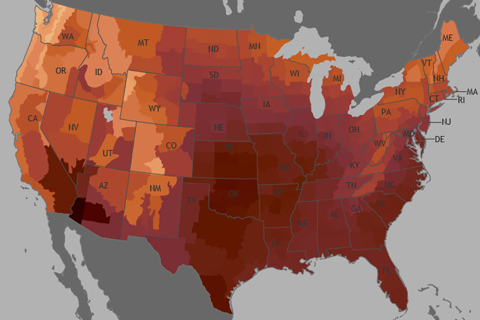
July 2012 wasn’t just the hottest July on record, it was the hottest month ever recorded for the contiguous United States since records began in 1895.