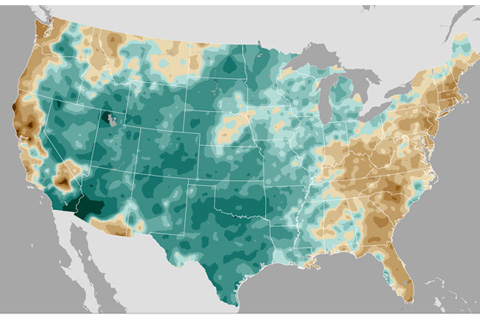
The nationwide average precipitation was the highest ever recorded in 121 years. Devastating floods ended a multi-year drought in the Southern Plains.
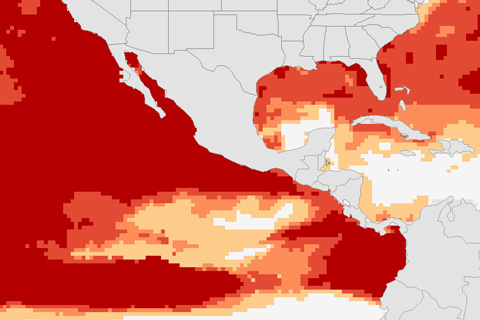
After an intense start to 2015, the waters of the South Pacific are finally cooling off, bringing relief to corals. But NOAA scientists expect stressful conditions to spread into the northeast Pacific and the Caribbean this summer.
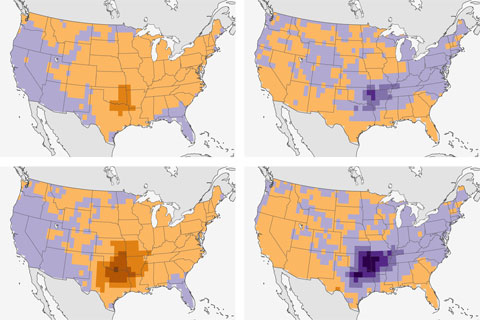
Scienitsts find connection between El Niño and fewer spring tornadoes in the south-central United States.
![June Outlook: Heat for the West, more rain in the Plains [Updated]](/sites/default/files/juneoutlook-monthly-cpc-480.jpg)
The monthly climate outlook for June favors more heat for Alaska and the West, more rain for Texas and the East.
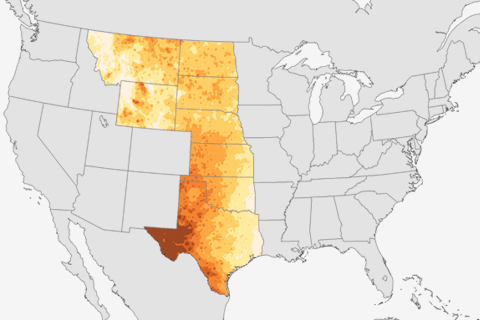
From soybeans and sunflowers in North Dakota to cotton and winter wheat in Texas, large stretches of croplands in the U.S. Great Plains rely exclusively on rain. Those croplands are likely to face longer dry spells by mid-century.
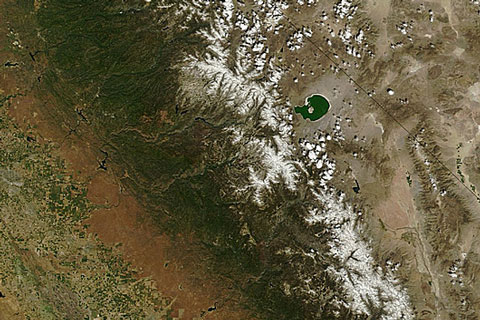
Few things are more important to California’s water supply than the water content of the mountain snowpack at the start of the state’s warm season. In the latest round of our Climate Challenge game, experts and participants predicted the water content of the Sierra Nevada snowpack on May 1, 2015. The answer was disturbingly low.
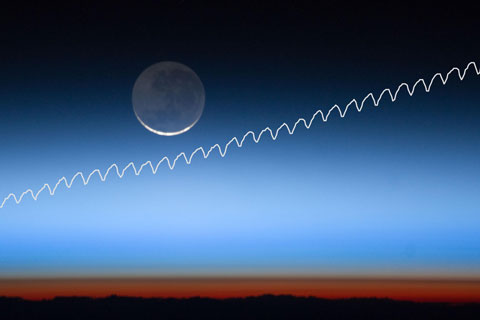
For 800,000 years before the twentieth century, carbon dioxide levels in Earth’s atmosphere never exceeded 300 parts per million. In March 2015, the monthly average went above 400 ppm for the first time.
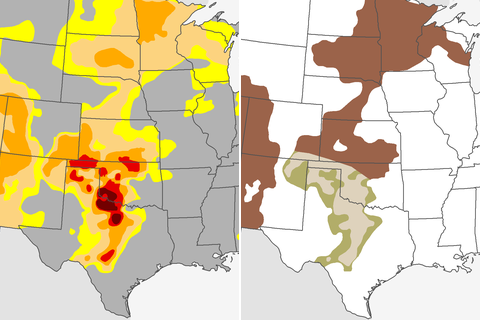
At the end of April 2015, almost 60 percent of Oklahoma was experiencing moderate to exceptional drought, and 30 percent of Texas was experiencing drought conditions. But according to the May drought outlook, conditions are likely to improve in the southern Plains this month.

How much warmer or colder than average would sea surface temperatures be in the eastern tropical Pacific Ocean in April 2015? That's the question we asked participants to answer in our new online game, in which players pit their predictive powers against experts’ opinions. The answer is in...
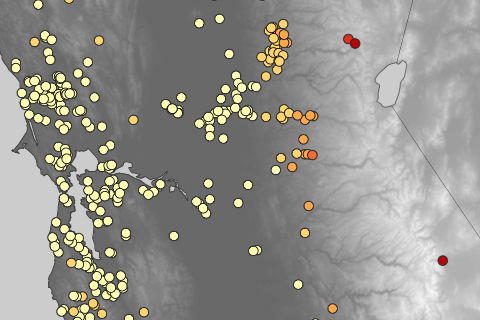
Strong evidence suggests that mountain areas are warming more quickly than lower elevations—with serious consequences for water supplies. But historical weather observations from mountain ranges are limited, leaving scientists with plenty of questions.