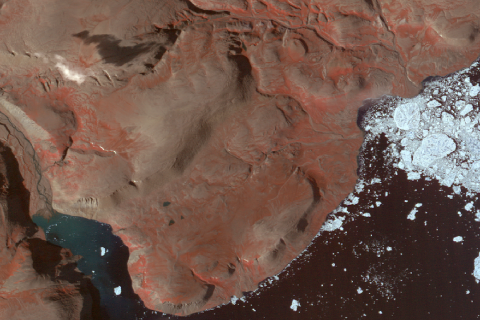
National Snow and Ice Data Center Director Mark Serreze studied every nook and cranny of two Ellesmere Island ice caps in the early 1980s. Now those ice caps are nearly gone.
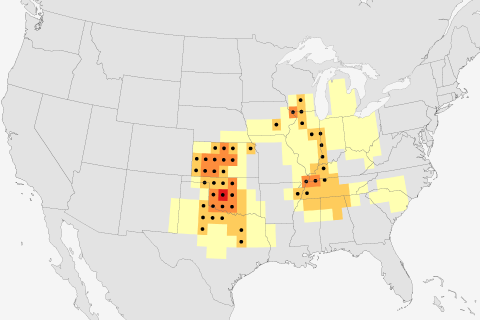
Currently, the risk of regional-scale tornado outbreaks is predictable only about 7 days in advance. But NOAA scientists report that sea surface temperatures in the tropical Pacific may provide a month or more of advance warning of an elevated risk for tornado outbreaks.
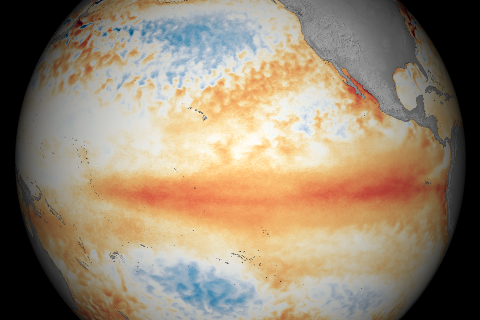
Temperatures across the tropical Pacific Ocean were warmer than average in March 2016.
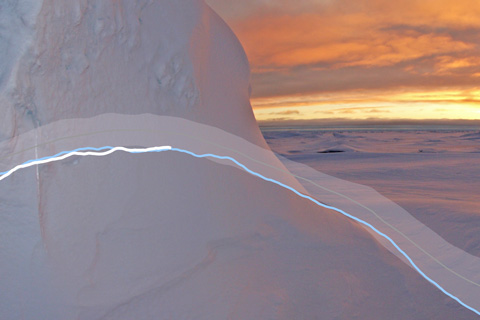
The 2016 winter maximum sea ice extent in the Arctic edged out 2015 to a set a new record low.

Due to an unusually warm winter, Washington DC's famous cherry trees might reach peak bloom before the Cherry Blossom Festival begins on March 20.
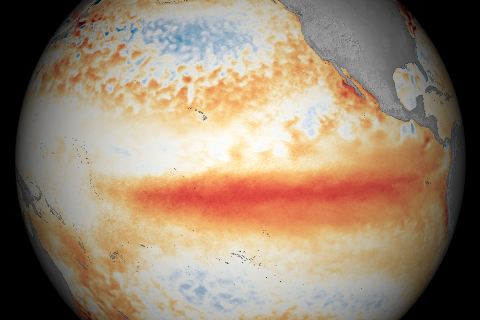
Waters along the equator in the Pacific Ocean were warmer than average during February 2016, but cooler than they were in January, according to satellite observations.
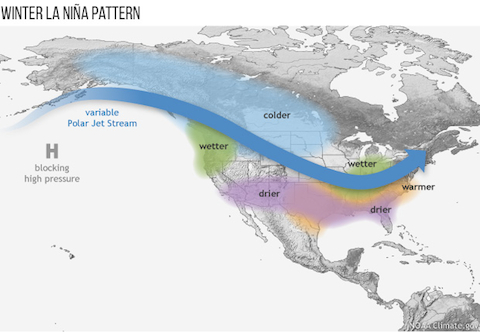
Last week, NOAA issued a La Niña watch, indicating conditions are favorable for the development of La Niña this winter. What does a La Niña winter typically mean for the U.S.?
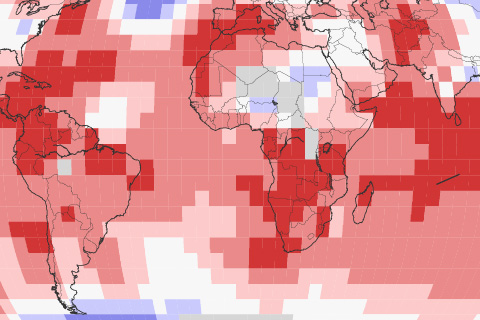
January 2016 became the ninth month in a row to set a new record-warmest monthly temperature.
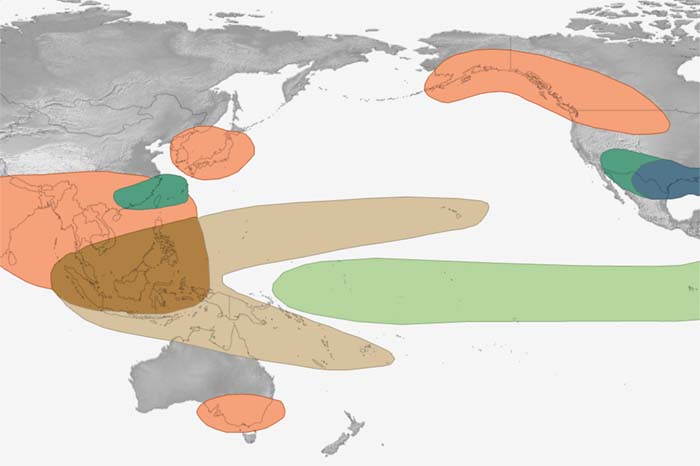
The disruptions of tropical Pacific sea surface temperature and rainfall that occur during the climate pattern called "ENSO" trigger a cascade of global side effects. These maps show how El Niño and La Niña affect seasonal climate around the world.
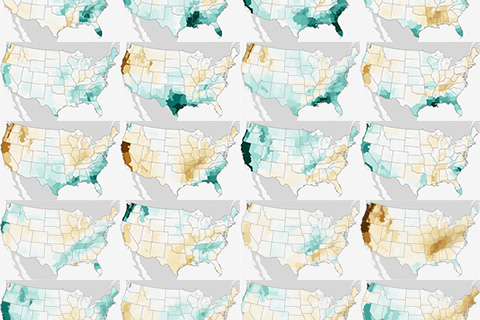
(UPDATED) Winter precipitation across the contiguous United States during every El Niño since 1950.