The fingerprints of La Niña were all over the global precipitation map.
Climate change is transforming the Arctic into a ‘dramatically different state.’ Browse this collection of image highlights from NOAA's 2021 Arctic Report Card.
Dry conditions were unusually widespread, and total drought area increased by more than 5 percent.
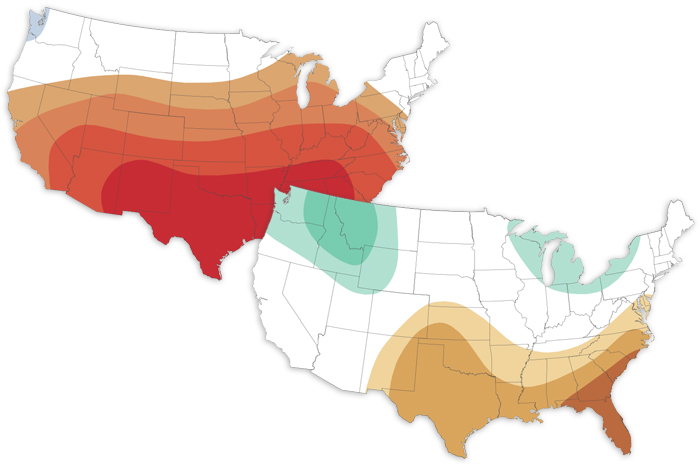
The December 2021 climate outlook favors a warmer-than-average end to 2021 for much of the country, with odds tilted towards a drier-than-average December for the Southeast
But the Montreal Protocol is working: the hole in our planet’s UV-blocking ozone layer was smaller than those of the 1990s and 2000s.
Northern Hemisphere land areas were record warm, and La Niña left its imprint on global precipitation patterns.
Atmospheric rivers and a powerful Nor'easter brought significant precipitation to the U.S. in October. East of the Rockies, most of the country was warmer than average.
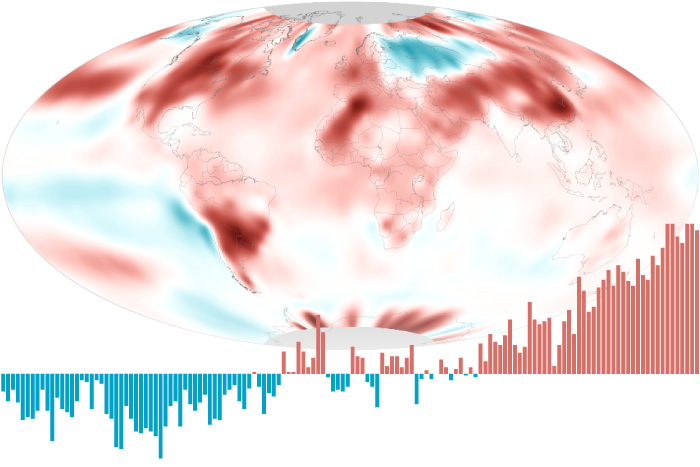
It was the fifth-warmest September on record, and the East Asian summer monsoon was especially wet.
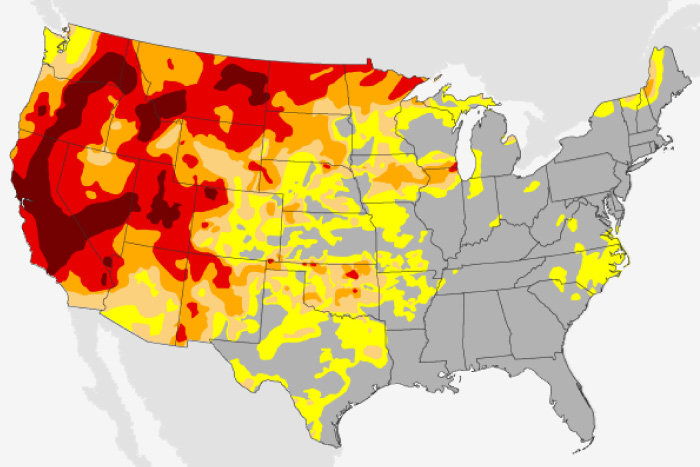
Warmth was widespread across the contiguous United States, while precipitation was a patchwork, with most of the drier-than-average regions in the already-parched West.
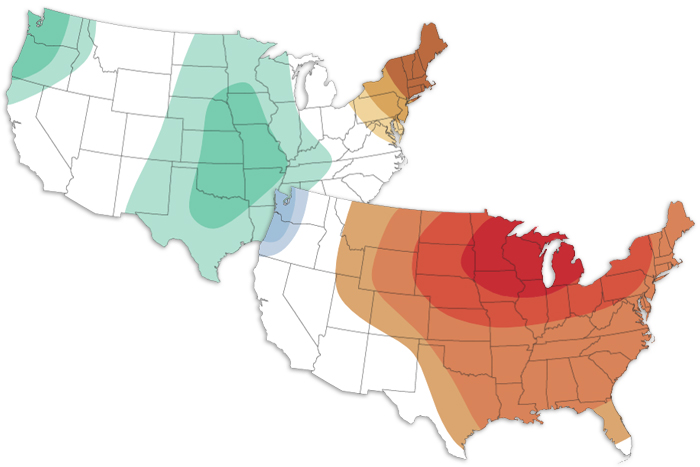
The October 2021 climate outlook favors a warmer-than-average month for the central and eastern United States and wetter-than-average conditions for the Plains.