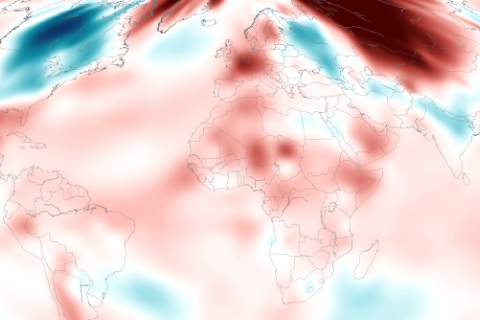
Like the months before it, April 2020 was also the second warmest on record for the globe, which means 2020 is almost certain to be among the four warmest years on record.
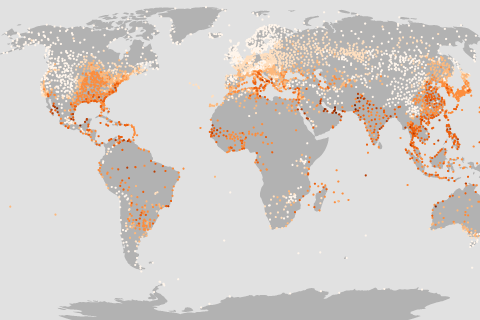
Climate models project dangerous combinations of heat and humidity by the end of the 21st century. New research says these extremes are already happening.
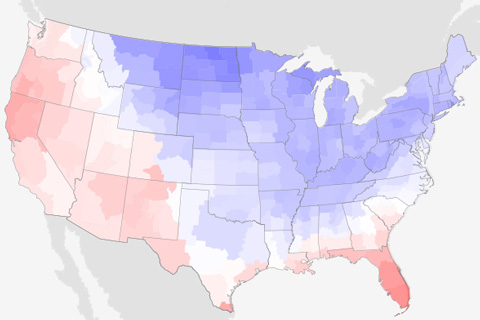
But the month capped off the 10th-warmest January-April period on record.
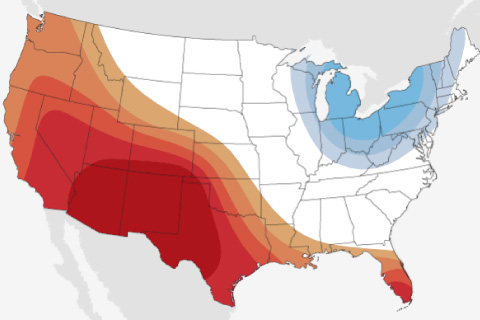
The May 2020 temperature and precipitation outlook issued by NOAA's Climate Prediction Center forecasts a warmer-than-average May for the western United States and Gulf Coast and a drier-than-average month for the Great Lakes.
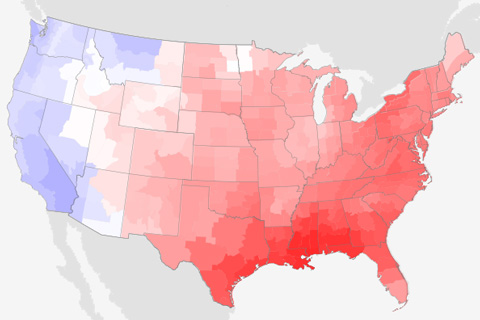
Most of the United States was warmer than average. Wet conditions in March eased drought concerns in Southern California, but extreme dryness around the Gulf Coast raised the chances of drought there.
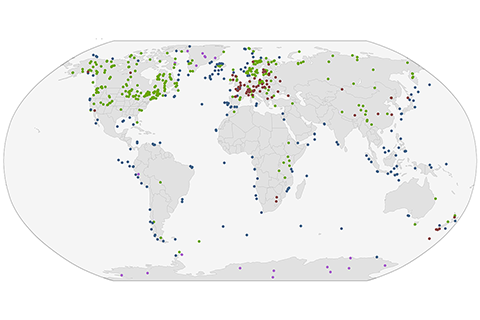
The most comprehensive database ever assembled of paleoclimate proxies that tell scientists about temperatures since the last ice age ended around 12,000 years ago has been released to the public.
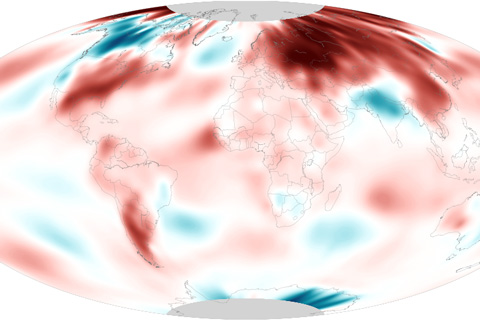
Global temperatures in March 2020 were the second warmest on record, helping to start spring off just as abnormally warm as winter ended.
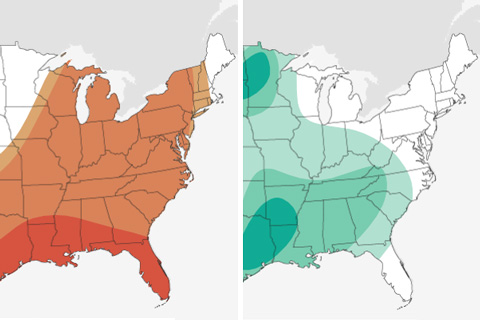
Much of the U.S. is favored to be warm and wet in April 2020, but cool conditions are more likely in the Pacific Northwest and Northern Rockies.
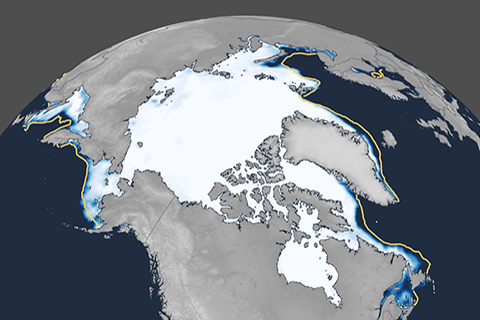
Arctic sea ice extent reached its apparent annual maximum on March 5, 2020. It was the 11th-lowest maximum in the 42-year satellite record. Though nowhere near a record low, it was well below the 1981–2010 average.
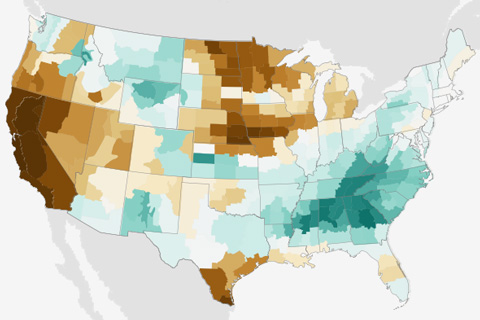
Much of the Southeast experienced extremely wet conditions last month, while almost all of California and parts of Oregon and Nevada were either much drier than average or record dry.