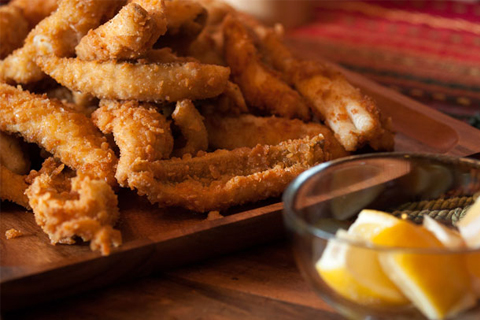
As climate changes in the Great Lakes region, the popular yellow perch–which some consider the ultimate pan-fried fish–may become much less common, potentially forcing consumers to adopt new traditions.
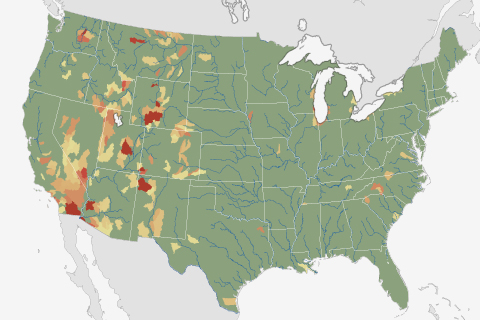
Nearly ten percent of U.S. watersheds are living beyond their means when it comes to their water supply. For nearly half the country, water stress is projected to worsen by mid-century because of climate change, according to a recent NOAA-funded analysis.
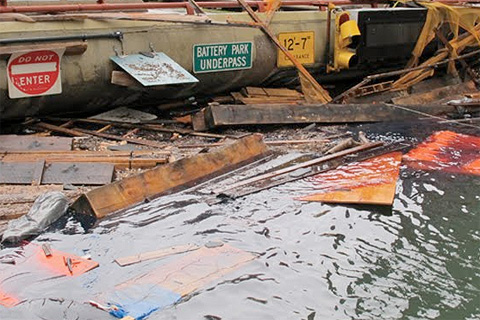
Stunned by Sandy's devastation, the city of New York undertook an ambitious project: to update its long-term sustainability plan using the latest climate science. Their goal was to understand how much sea level could rise, how soon, and just how vulnerable the city would be if some of the more extreme climate change projections turn into reality.
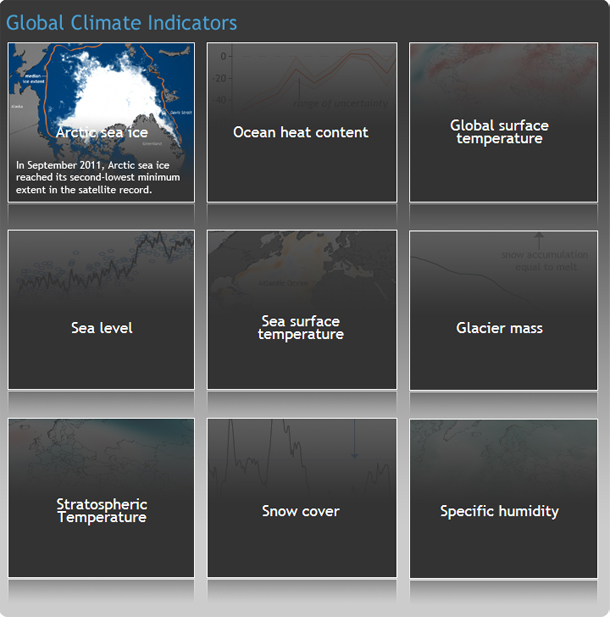
Image highlights form the 2011 State of the Climate report.
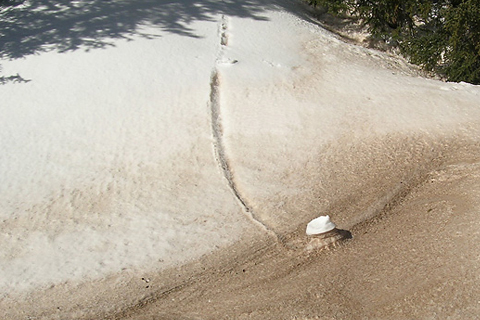
When the winds are right, dust from the deserts of the U.S. Southwest blows onto the snow-capped Rocky Mountains. How do dirty snowfields contribute to the loss of more than 250 billion gallons of water in the Colorado River?
New Federal Advisory Committee members will provide feedback to improve NOAA’s climate tools and services.
Released in 2023, the Fifth National Climate Assessment (NCA5) includes an Art × Climate gallery. This work by Amuri Morris focuses on Shelton Johnson's life mission to encourage Black people to reconnect with the natural world.
Last year's marine heat wave and coral bleaching was so unprecedented, NOAA had to add new risk levels to this satellite-based monitoring scale.
An explainer about the international climate meeting known as “COP.”
NOAA is a co-sponsor of the Ocean Pavilion, which will be the hub for conference delegates to exchange ideas on addressing the climate crisis by leveraging ocean science and solutions.