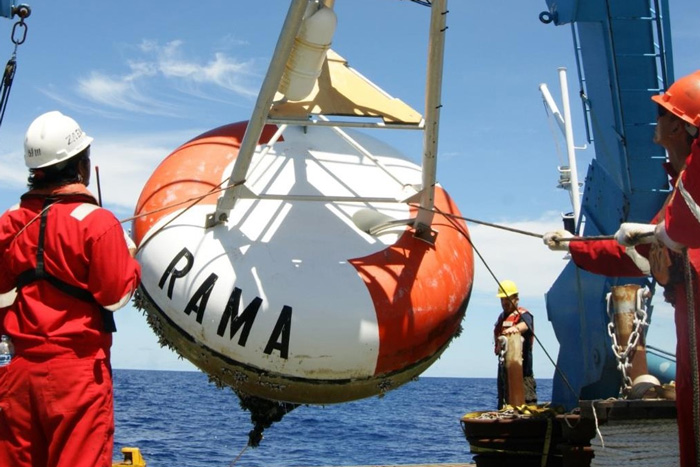
From algae growth and sea ice to tsunamis, moored ocean buoys are vital to understanding and predicting the ocean.
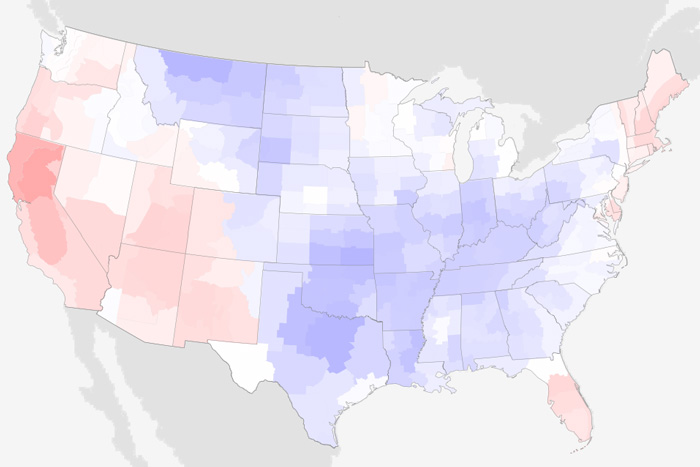
May 2021 was mild across much of the contiguous U.S., with dry conditions widespread across the West, the Northern Plains, the Ohio Valley, and the Mid-Atlantic.
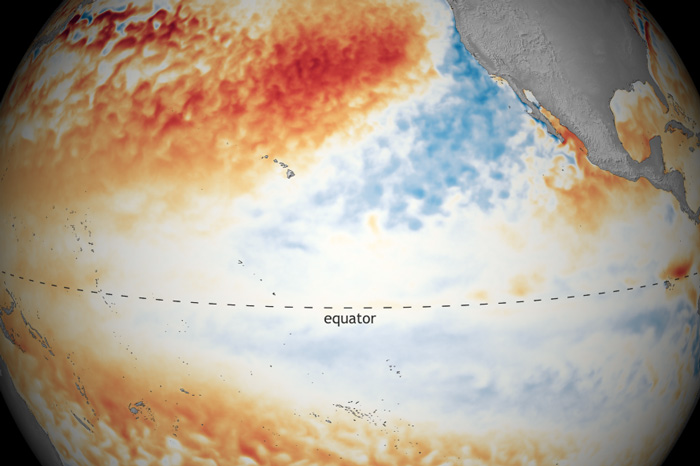
The ENSO forecast favors neutral conditions through the fall, but there's more to it than that!
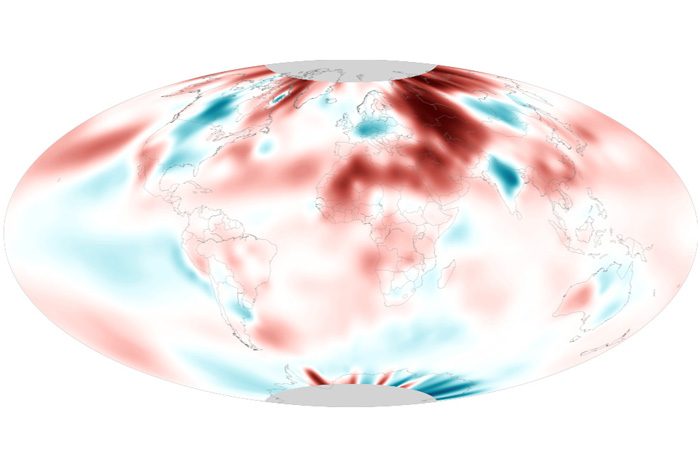
May 2021 global surface temperature was 1.46°F above the 20th-century average, tying with 2018 as the sixth-warmest May in the 142-year record.
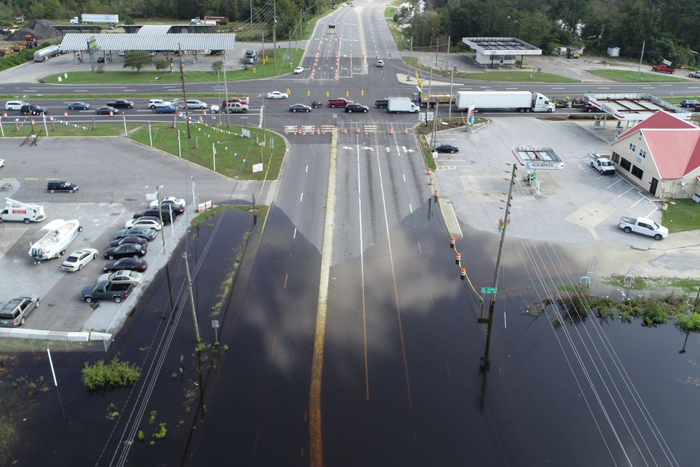
NOAA Sea Grant in North Carolina partnered with state and local groups to evaluate strategies for coping with inland road flooding during tropical storms and hurricanes.
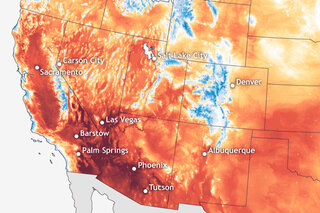
Record-breaking June 2021 heatwave impacts the U.S. West
June 23, 2021
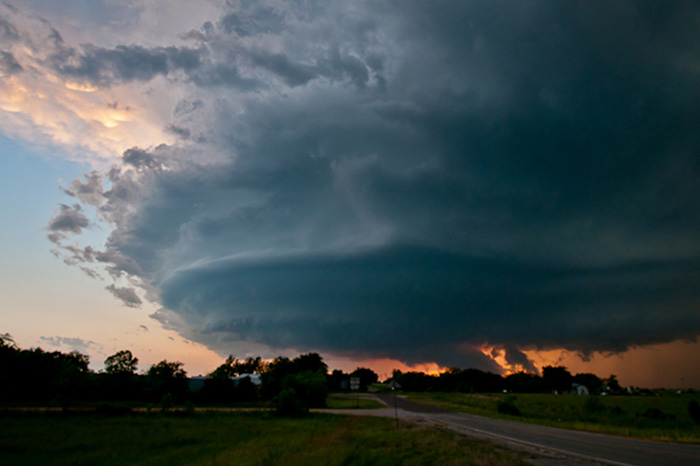
Guest blogger John Allen recaps tornado activity so far in 2021 and discusses the limits of using ENSO to predict seasonal tornado activity.
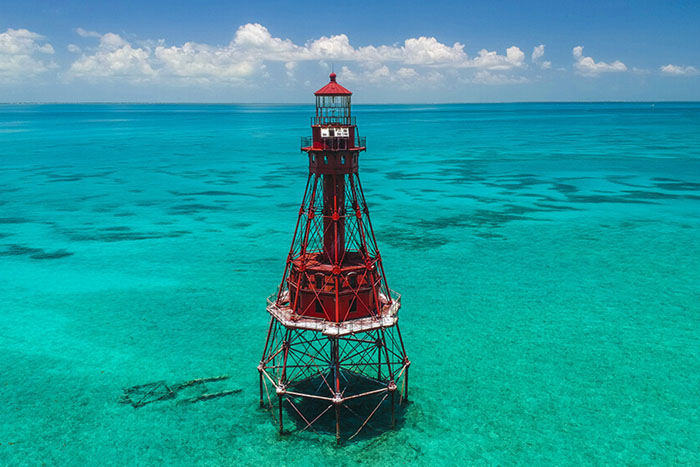
On June 21, 2021, Ben DeAngelo, CPO Deputy Director, and Billy Sweet, Oceanographer with NOAA’s National Ocean Service (NOS), presented to Florida Keys officials. The presentation discussed the causes and impacts of climate change, and covered sea level rise science, projections, and risk management.
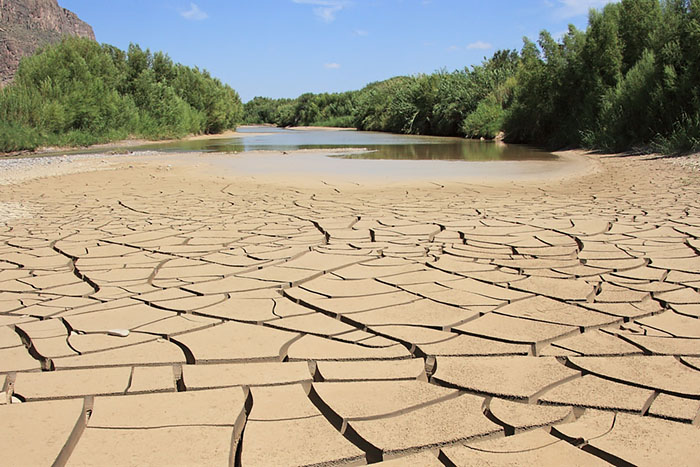
Launched on June 17, 2021, the United Nations Special Report on Drought 2021 warned of rising exposure to the natural hazard. Within the next 80 years, 129 countries will experience an increase in drought exposure mainly due to climate change, and 38 countries primarily due to the interaction between climate change and population growth.
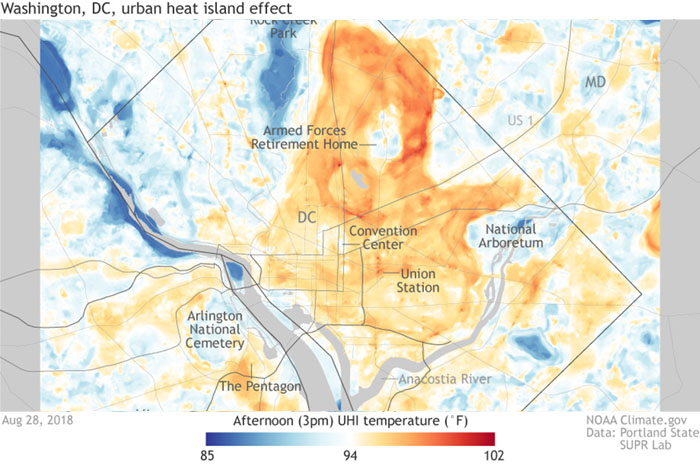
NOAA’s Climate Program Office (CPO) is pleased to announce $950,000 for four new projects that will support decision making in neighborhoods grappling with inequitably distributed impacts from the deadliest weather-related risk in the United States: extreme heat.