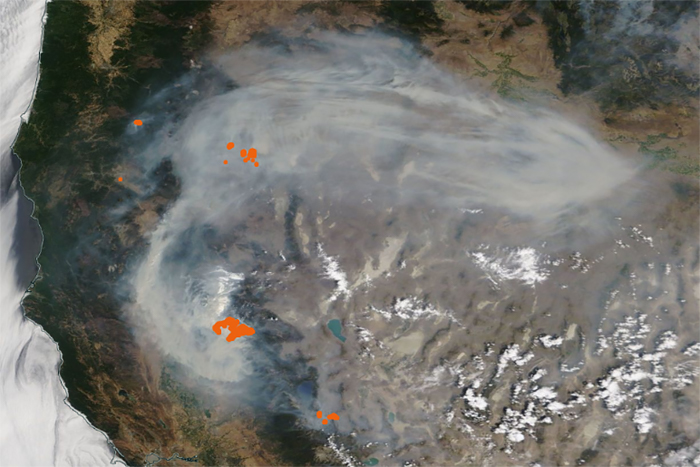
Besides implications for air quality and health, wildfires affect climate. A study designed to uncover the climate effects of wildfire smoke found that smoke from wildfires in the western United States absorbs less sunlight than smoke from wildfires in southern Africa.
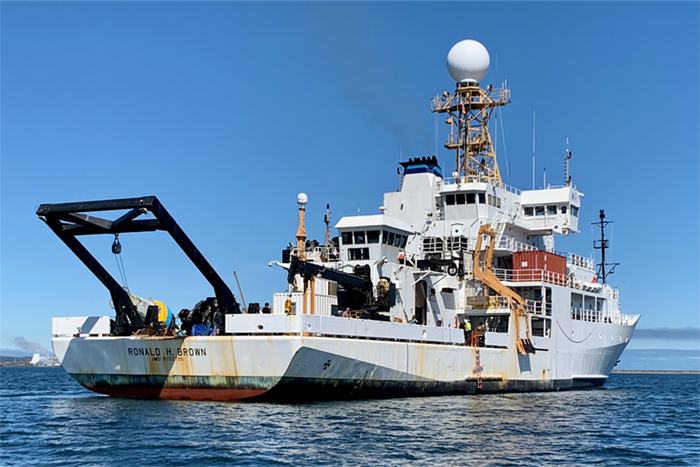
Low-oxygen waters off the coasts of Oregon and Washington have become common in the Pacific Northwest, but the 2021 onset of hypoxic water was the earliest observed in 35 years. The low-oxygen waters could become large dead zones in the near future
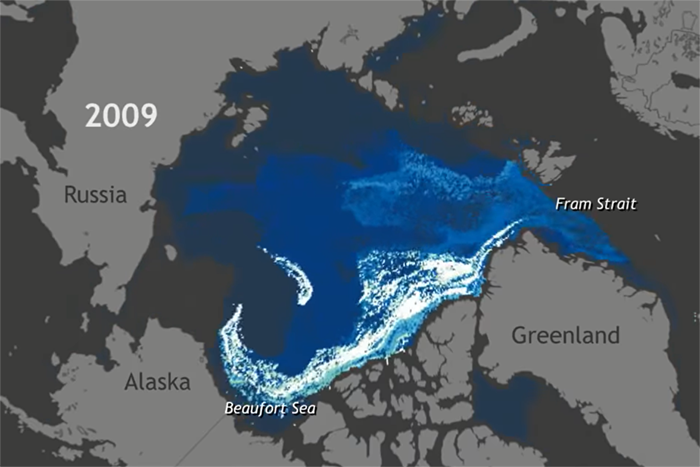
When will the Arctic experience its first ice-free summer? The latest generation of climate models have predicted the Arctic could lose all its summertime ice as early as 2015 or as late as after 2100. New research has narrowed the time frame for this event, indicating that the Arctic could experience its first ice-free summer by 2040.
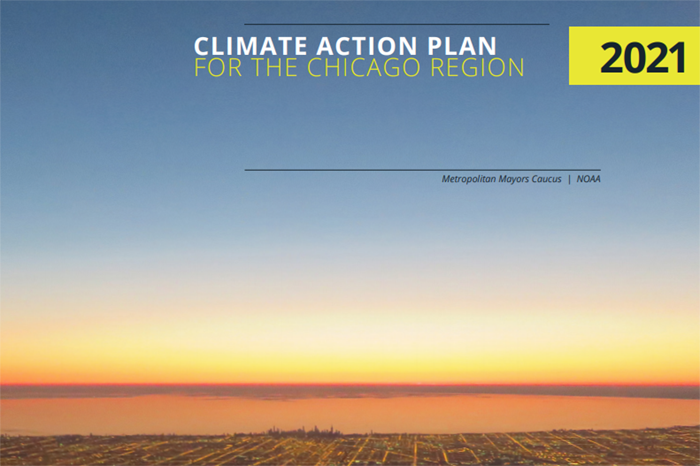
With help from NOAA, a caucus of Chicago’s metropolitan mayors released one of the first regional climate plans in the United States. It calls for reducing greenhouse gas emissions by at least 80 percent from 2005 levels by 2050.

Since the 1970s, Tulsa, Oklahoma, has transformed itself from one of the nation’s most flood-prone cities to an example of flood-mitigation success. NOAA’s Regional Integrated Sciences and Assessment (RISA) team has published a case study examining how Tulsa transformed, and how other cities can emulate its success.
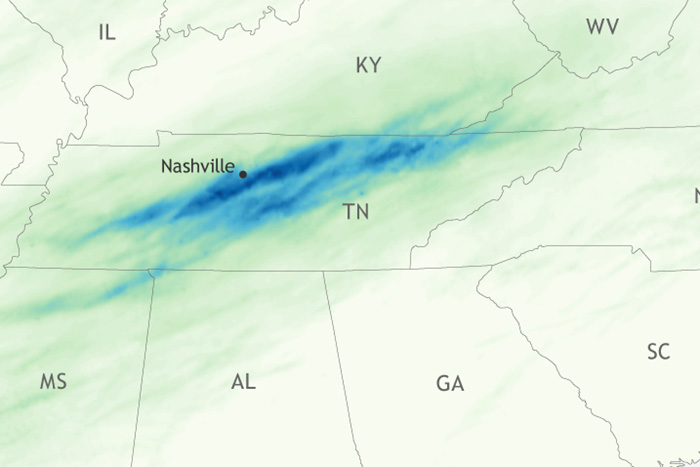
In late 2020, NOAA and the Department of Energy organized a workshop focused on improving predictions of precipitation variability and extremes. The NOAA-DOE Precipitation Processes and Predictability workshop report is now available.
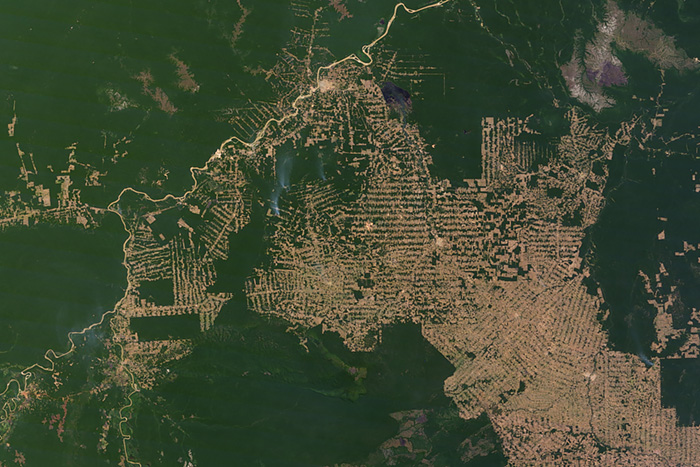
New results from a nine-year research project in the eastern Amazon rainforest finds that significant deforestation in eastern and southeastern Brazil has been associated with a long-term decrease in rainfall and increase in temperature during the dry season, turning what was once a forest that absorbed carbon dioxide into a source of planet-warming carbon dioxide emissions.
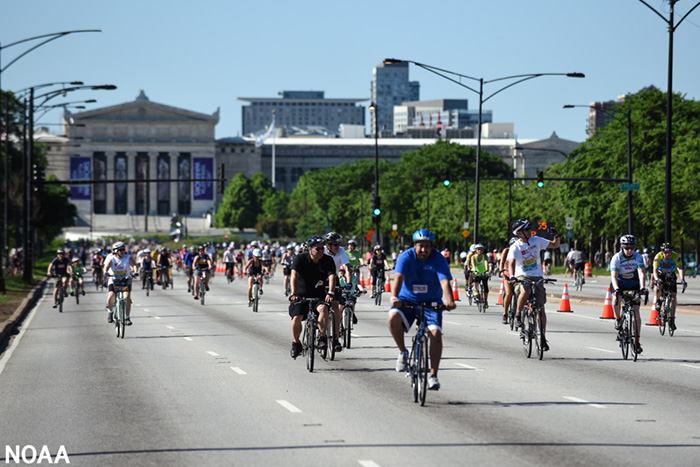
With help from NOAA, a caucus of Chicago’s metropolitan mayors has released one of the first regional climate plans in the United States. It calls for reducing greenhouse gas emissions by at least 80 percent from 2005 levels by 2050, and highlights ways to equitably build climate resilience and a vibrant economy at the municipal level by 2050.
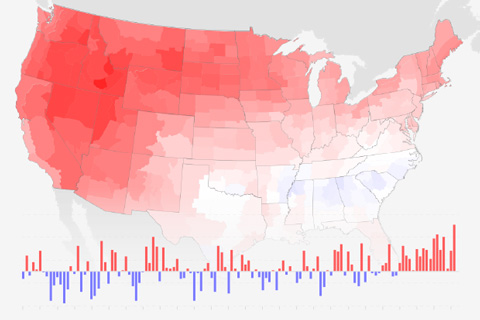
June precipitation was average across the country, a balancing out of dryness in the West and wetness in the Lower Mississippi, Eastern Seaboard, and Great Lakes.
Record-warm temperatures over land combined with a sixth-warmest June for the oceans to make June 2021 the fifth-warmest June since records began in 1880.