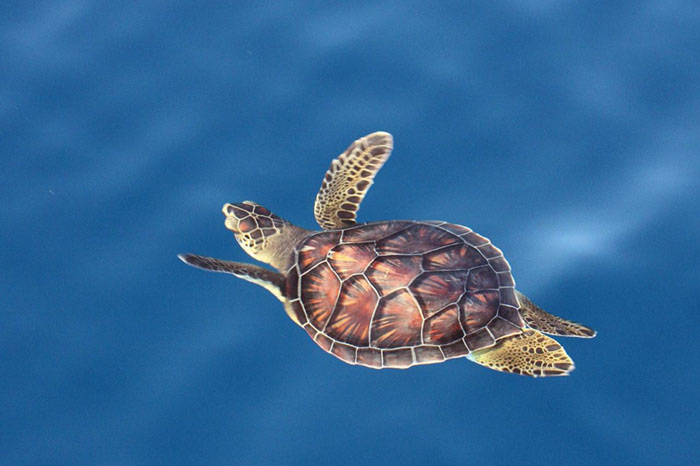
The National Marine Sanctuary Climate Change Science Priorities Workshop Report is now available to the public. The report summarizing a cross-NOAA workshop held in January 2021 organized to identify the climate science and information needs of national marine sanctuaries, and actions needed to meet those needs.
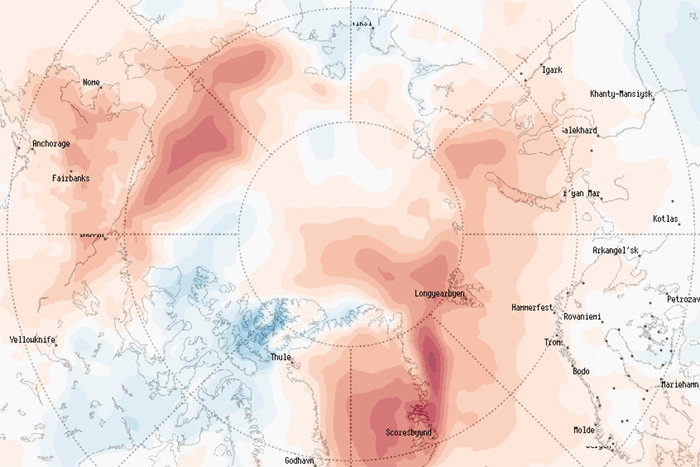
If the Arctic continues to warm, the western Arctic Ocean could be a future hot spot and source of nitrous oxide, a new study has found. Like carbon dioxide or methane, nitrous oxide is directly linked to climate change, contributing to both the greenhouse effect and ozone depletion.
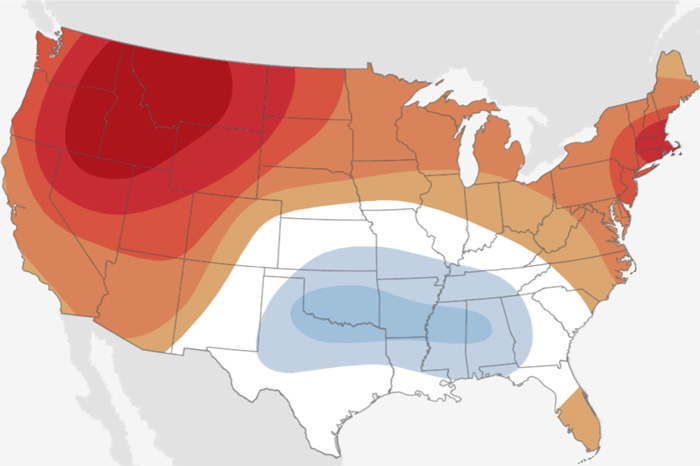
The extreme heat and dryness in the U.S. West in June have set the stage for more of the same in July.
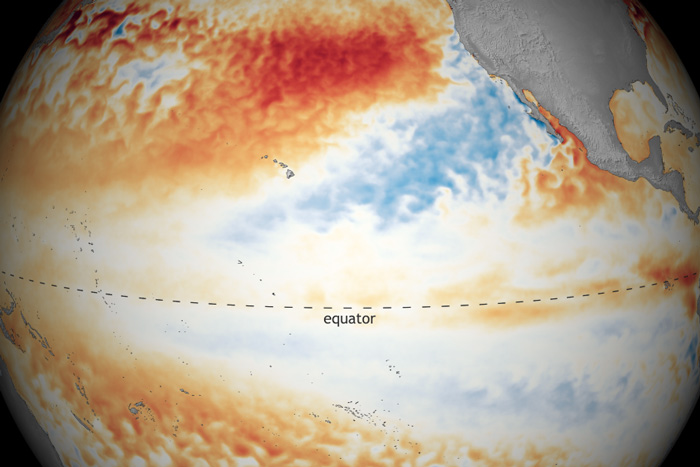
Neutral conditions remain across the Pacific but conditions look favorable enough for a return to La Niña this fall/winter that scientists have issued a La Niña watch.
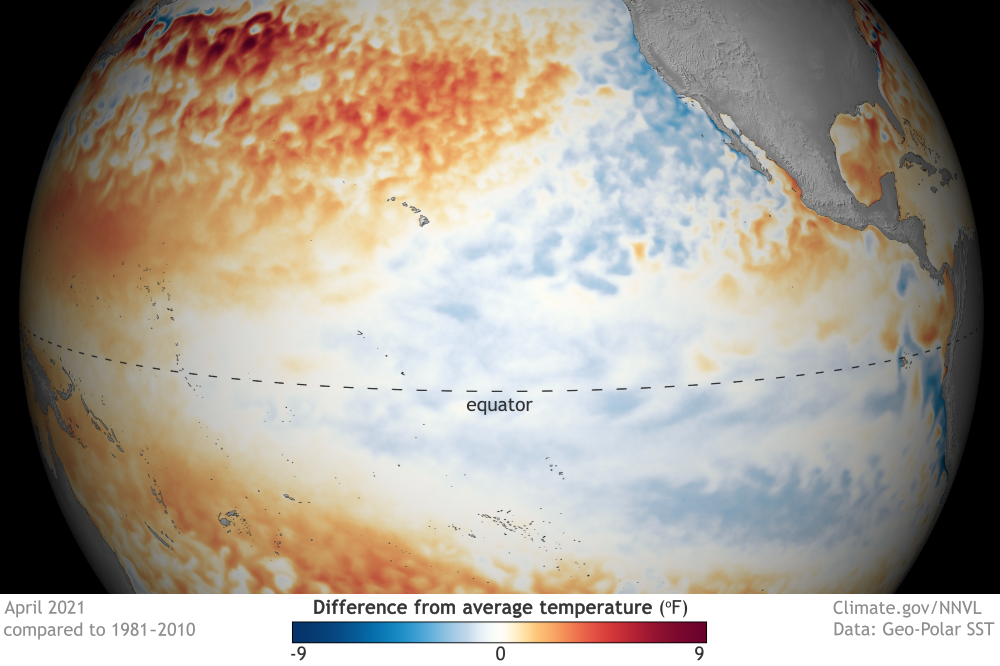
Neutral conditions have returned to the tropical Pacific. Our blogger looks ahead to the rest of 2021.
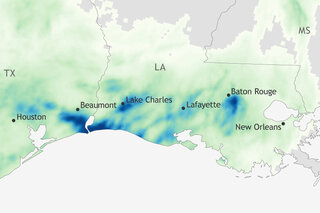
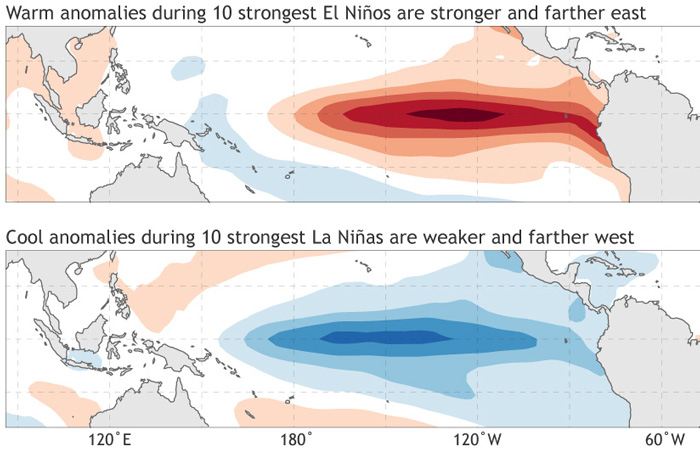
One La Niña winter is often followed by another. El Niño winters seldom double-dip. The ENSO Blog explains why.
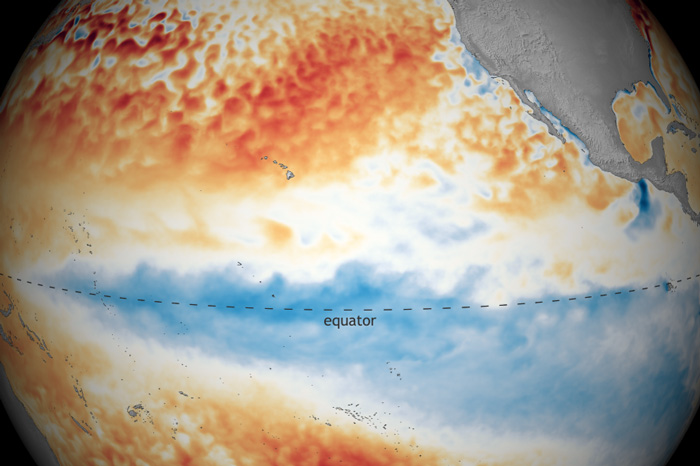
On June 3, 2021, our ENSO Bloggers did a Tweet Chat to talk all things El Niño and La Niña. Here's the transcript.
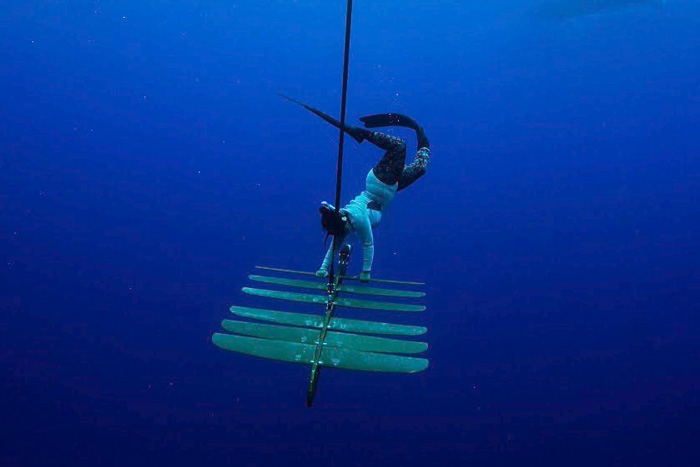
Marine scientist Flo La Valle's life has taken her from the Philippines, to Rome, to Hawaii. A love for coastal ecosystems and the communities they support has stayed with her.
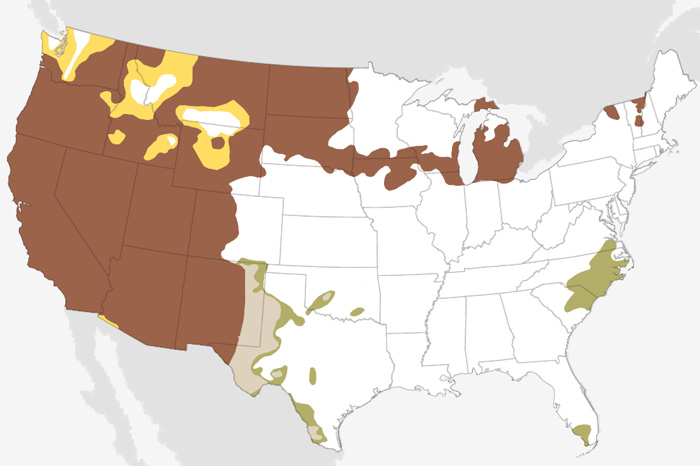
The highest chances for much warmer than average conditions are in the Great Basin and the Mid-Atlantic/Northeast.