Climate change is transforming the Arctic into a ‘dramatically different state.’ Browse this collection of image highlights from NOAA's 2021 Arctic Report Card.
Dry conditions were unusually widespread, and total drought area increased by more than 5 percent.
As we enter our second La Niña winter in a row, our blogger explains what we know about the chances for a three-peat. (TL;DR: possible, but not statistically likely.)
Recent research suggested the Southern Ocean might absorb less atmospheric carbon dioxide than previously thought. But a new study published this week in the journal Science confirms the role of the Southern Ocean as a significant carbon sink.
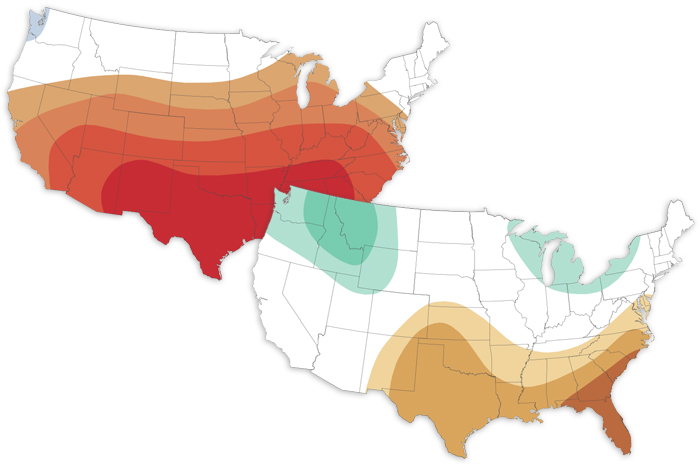
The December 2021 climate outlook favors a warmer-than-average end to 2021 for much of the country, with odds tilted towards a drier-than-average December for the Southeast
The Northeast U.S. continental shelf is home to some of the worlds’ most productive and commercially valuable fisheries, but the region is affected by changing climate. A new study may lead to better understanding of the region and its seasonal cycle.
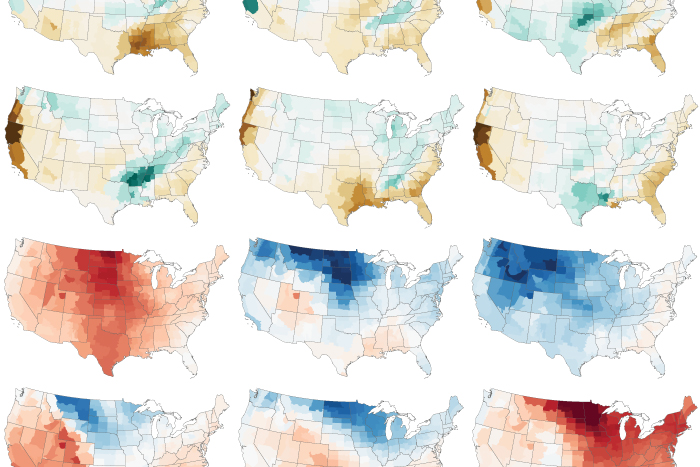
What weather can the U.S. expect in the second winter of a double-dip La Niña? The Climate Prediction Center’s Mike Halpert lays it out in his discussion of the November update to NOAA’s winter outlook.
NOAA’s National Integrated Heat Health Information System and science partner, CAPA Strategiesoffsite link, are now accepting applications from organizations interested in participating in the 2022 Urban Heat Island mapping campaigns.
On average there are about 80 tropical cyclones a year. The question scientists ask is: why 80? Will this number increase or decrease as the planet warms? A new review paper, published in the Earth’s Future journal, presents the state of the science.
But the Montreal Protocol is working: the hole in our planet’s UV-blocking ozone layer was smaller than those of the 1990s and 2000s.