It's been 45 years since the planet had a cooler-than-average year.
La Niña is likely near its peak strength, but that doesn't mean its impacts will disappear anytime soon.
New NOAA research demonstrates that the effects of fire emissions on the atmosphere are even larger and far more widespread than previously believed. Fires contribute to one of the most common and harmful constituents of urban air pollution: ozone.
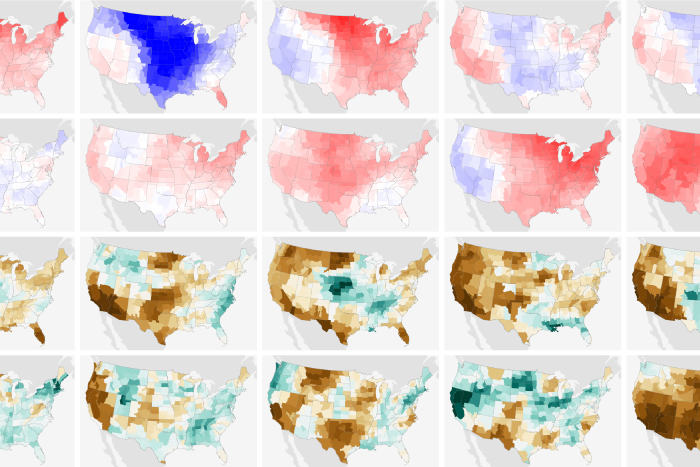
NOAA National Centers for Environmental Information recaps the 2021 climate for the United States.
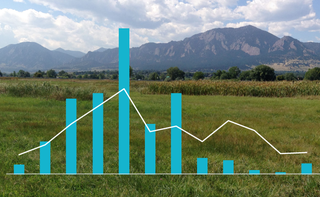
A cool, wet January is slightly favored across much of the North, with a warm, dry month favored for the South. Elsewhere, there are even chances for any outcome.
Continental System for High-resolution prediction on Earth-to-Local Domains (C-SHiELD) combines a global view of weather patterns with the ability to focus on regional and local weather. This helps meteorologists better predict smaller extreme storms over the continental United States.
Researchers have gained new insights about a marine heatwave in the Northwest Atlantic in 2017. Their newly published study shows how circulation patterns likely influenced the event
Ariane Arias-Ortiz discusses her journey to her current career.
Use this interactive map to browse a collection of animated gifs showing monthly sea level at U.S. tide-monitoring stations over their lifetimes.