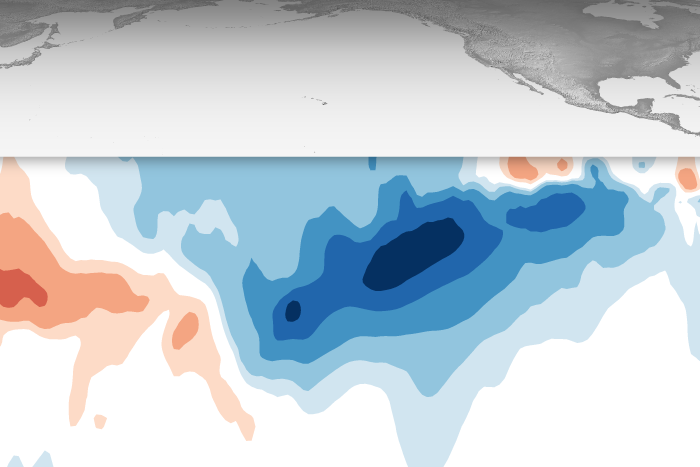
La Niña conditions have returned to the tropical Pacific. Our blogger gives you the details.
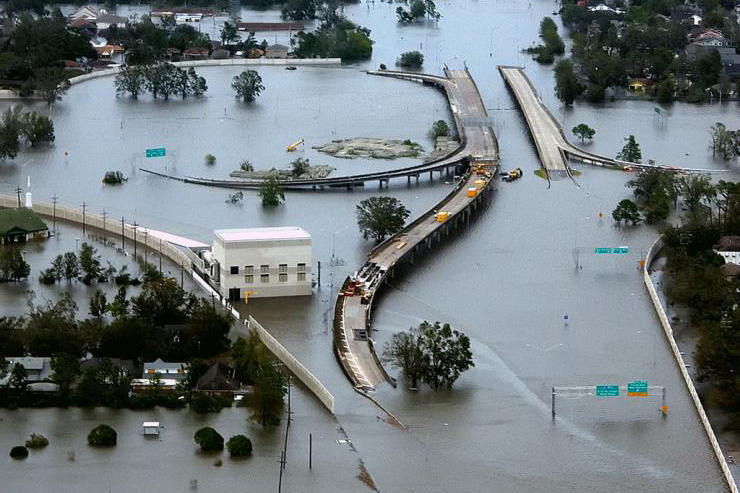
NOAA’s Climate Program Office (CPO) has announced a total award amount of $171 million, the highest five-year investment in the program’s history, to support innovative and impactful projects to improve our nation’s climate resilience.
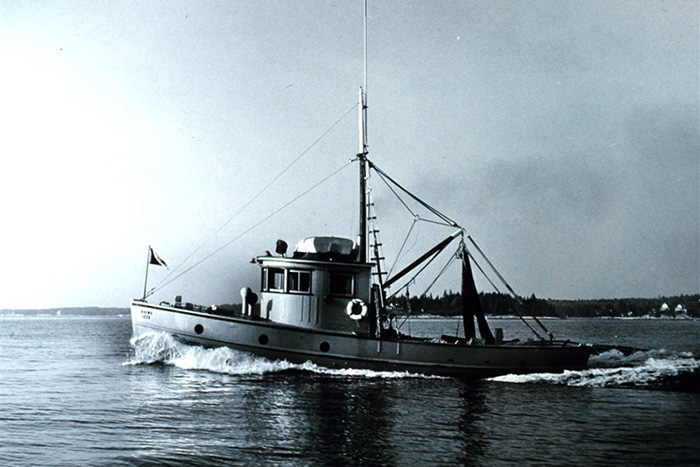
Modelers are working to better understand climate drivers of ecosystem uncertainties in Earth system models used in fishery management.
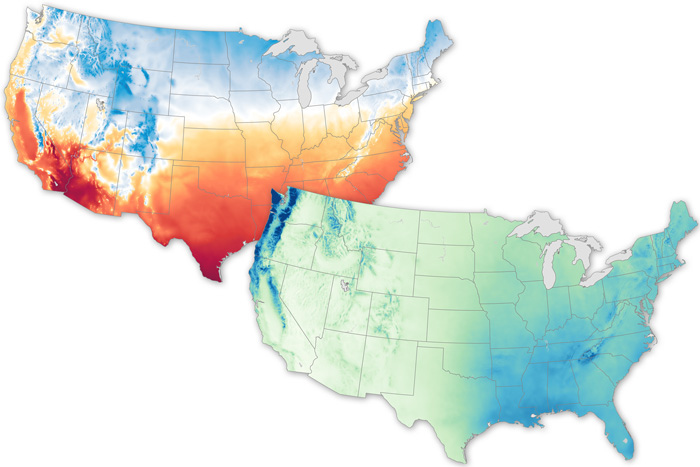
Maps showcase the broad range of climates across the contiguous United States.
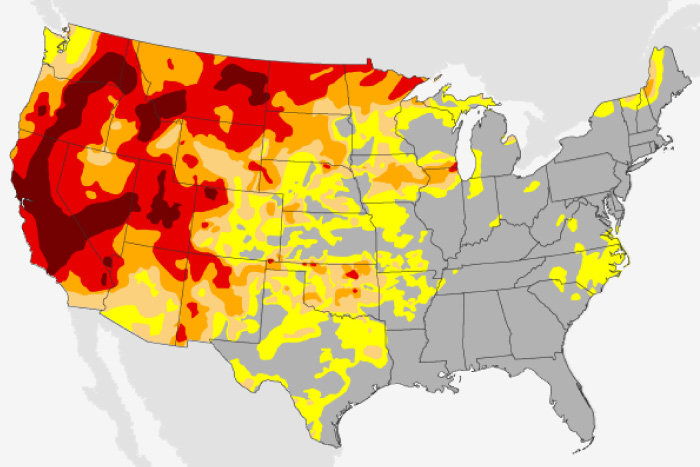
Warmth was widespread across the contiguous United States, while precipitation was a patchwork, with most of the drier-than-average regions in the already-parched West.

On October 5, 2021, retired former NOAA scientist Syukuro “Suki” Manabe was awarded the Nobel Prize in physics for his contributions to climate science.
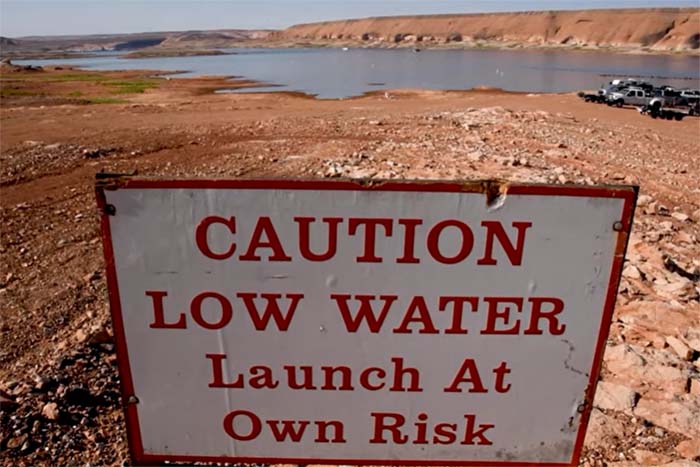
A new video by the National Integrated Drought Information System (NIDIS) shows how drought is changing daily life in the southwestern United States.
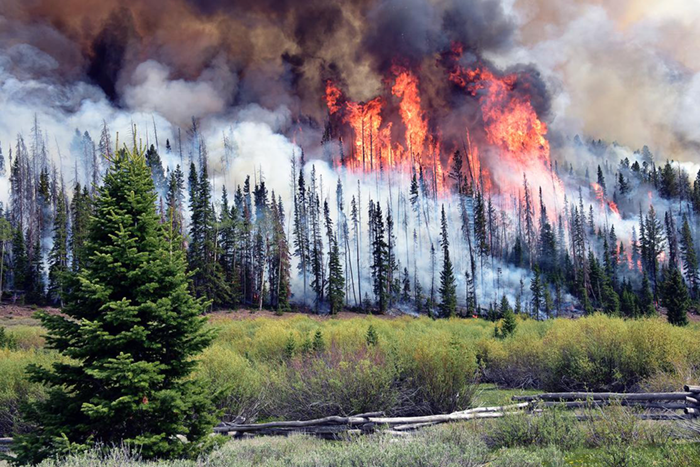
Wildfires emit short-lived, nitrogen-containing gases that can contribute to air-quality issues. Modeling these gases has been difficult because their chemical reactions are rapid and spatially dispersed. A new field campaign studies the reactions to improve models.
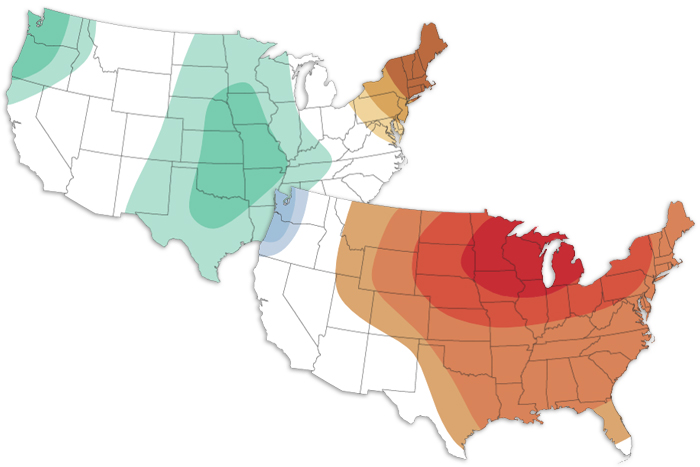
The October 2021 climate outlook favors a warmer-than-average month for the central and eastern United States and wetter-than-average conditions for the Plains.
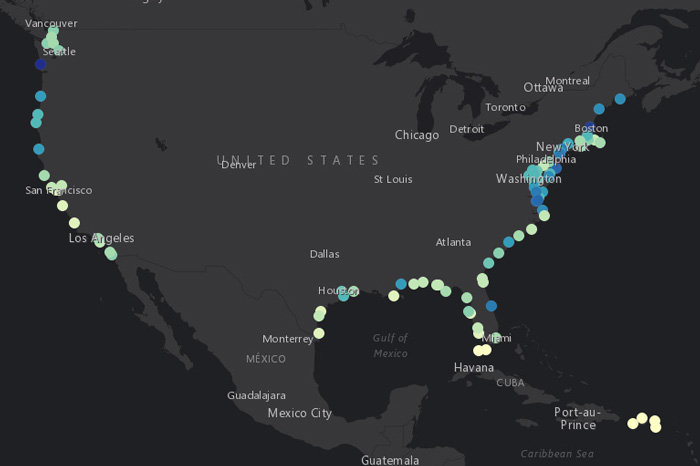
Costly and inconvenient, high-tide flooding of coastal communities is on the rise. Thanks to higher water levels from El Niño and sea level rise, the number of high-tide flood days in 2018 is projected to be 60% higher this year than would have been common around 2000. Find out what's predicted for your city in this interactive map.