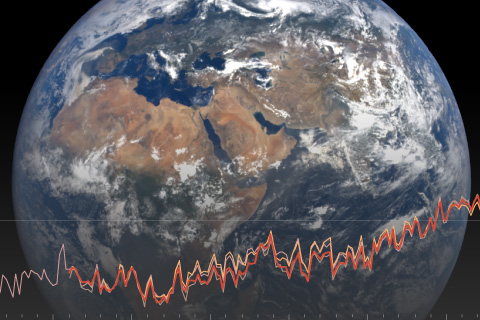
International, authoritative climate report states 2018 was the fourth warmest year on record.
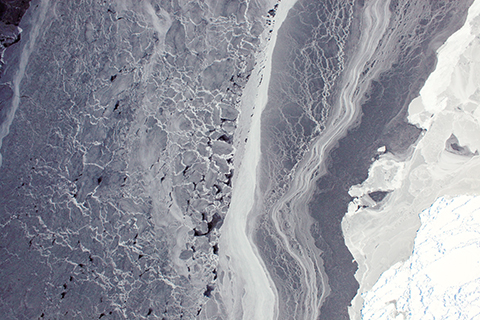
Antarctic sea ice extent hit a record low extent in February, but thanks to large natural variability from year to year, experts say there is still no long-term trend.
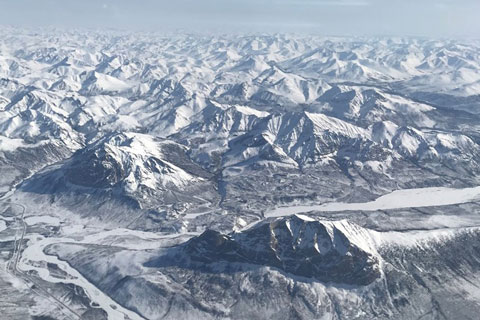
From declining reindeer populations to a younger, thinner ice pack, here are four image-based stories from the 2018 Arctic Report Card.
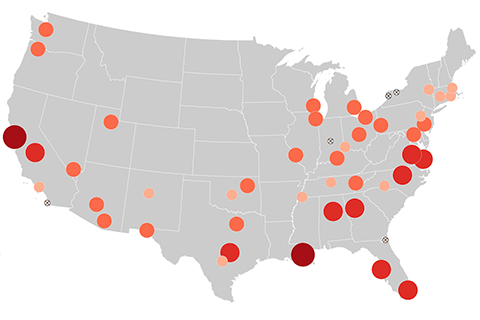
From heat waves to heavy rain, the National Climate Assessment's recently updated collection of indicators shows how climate is changing.
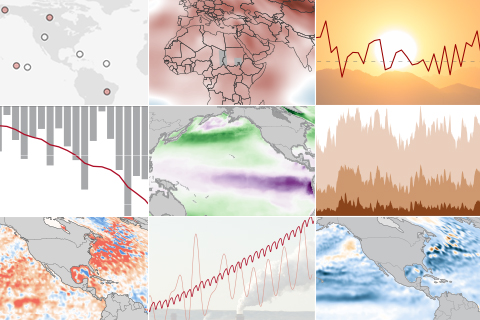
See highlights from the 2017 issue of the planet's most comprehensive annual physical, the American Meteorological Society's State of the Climate report.
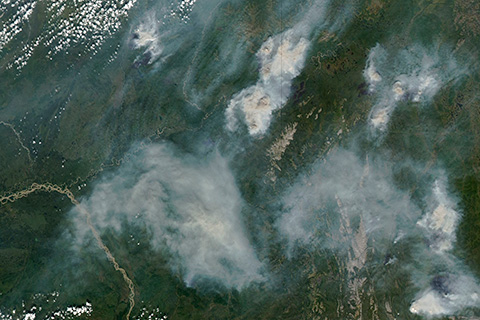
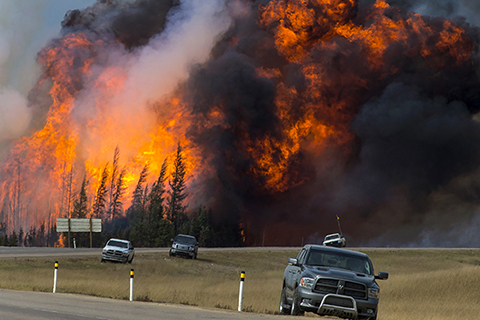
In a sidebar to the State of the Climate in 2017 report, experts describe how human-caused climate change is leading to longer, more damaging fire seasons in the evergreen-dominated boreal forests of Alaska, Canada, and Eurasia.
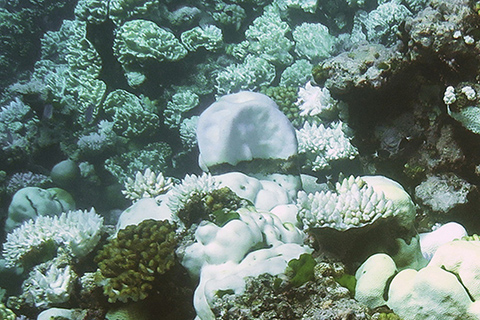
As part of the State of the Climate in 2017 report, experts describe a record three-year-long episode of mass coral bleaching at tropical reefs worldwide. Previous global bleaching events required the presence of El Niño, but the devastating 2014–2017 event began before El Niño emerged and continued long after it ended—implicating human-caused global warming in the mass die offs.
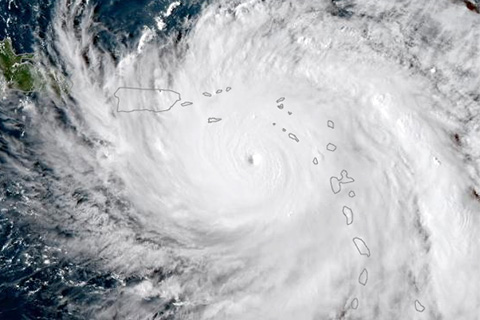
The State of the Climate in 2017 report includes a summary of the devastation in Puerto Rico from Hurricane María, describing damage so widespread and severe that thousands of residents of the Caribbean island moved to the U.S. mainland in the aftermath.
Now in its sixth year, a NOAA-led report published by the American Meteorological Society provides the results of more than two dozen studies of various extreme weather and climate events in 2016 and the role global warming did or didn't play in them.
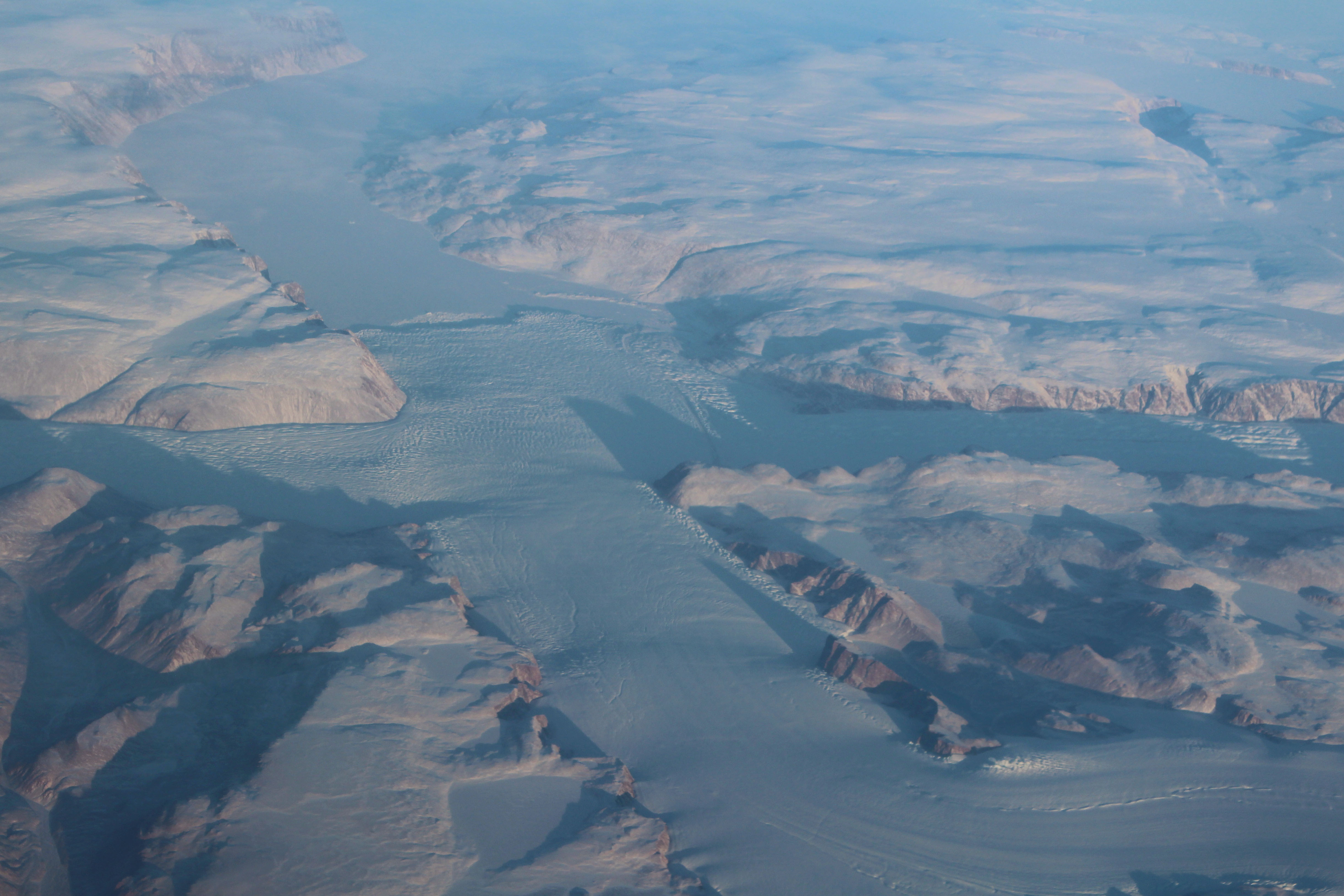
NOAA scientists have released the 2017 Arctic Report Card: the complete guide to climate conditions in the planet's Far North.