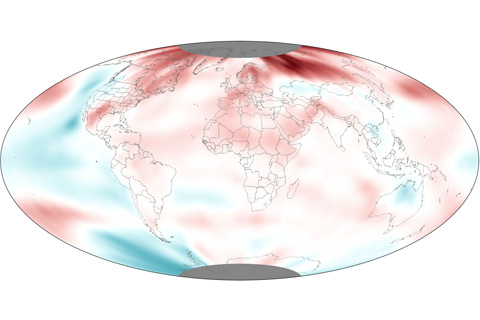
Despite the double-dip La Nina that occurred throughout the year, 2011 was still among the 15 warmest years on record. Including the 2011 temperature, the rate of warming since 1971 is now between 0.14° and 0.17° Celsius per decade (0.25°-0.31° Fahrenheit), and 0.71-0.77° Celsius per century (1.28°-1.39° F) since 1901.
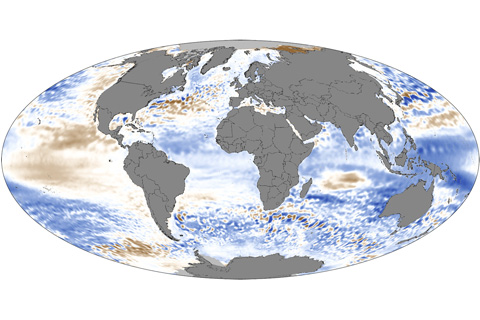
In 2011, global sea levels fell below the long-term trend of sea level rise, but as La Niña waned late in the year, global ocean levels began rising rapidly.
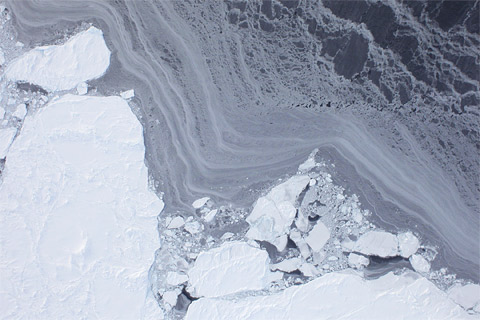
NOAA scientists have documented a new impact of the increasingly thin blanket of Arctic sea ice: gases escaping from the thinner ice in spring are affecting air chemistry, reducing ground-level ozone, and likely increasing mercury contamination.
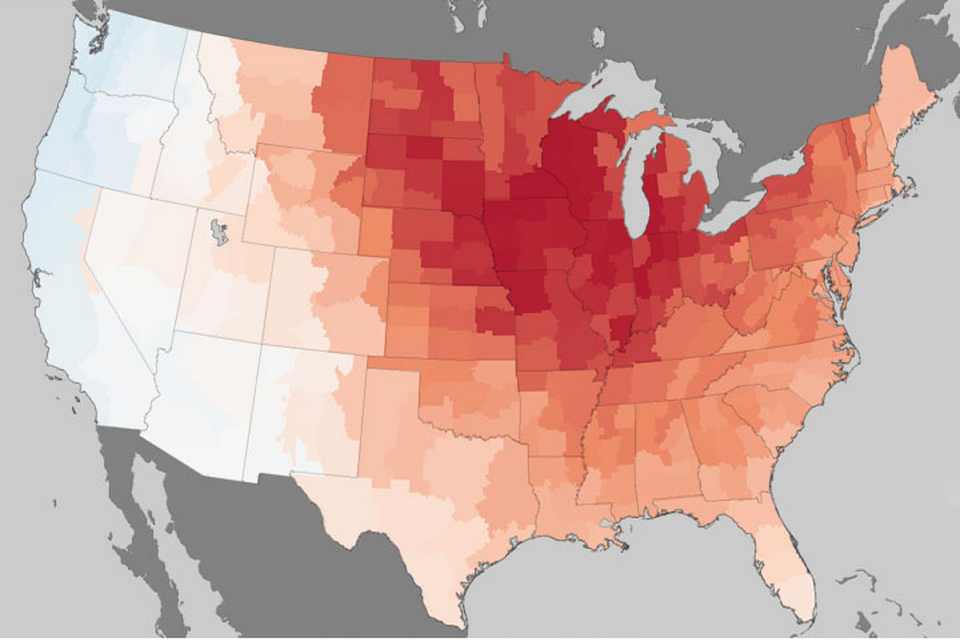
Record and near-record breaking temperatures dominated the eastern two-thirds of the nation and contributed to the warmest March in the contiguous United States since records began in 1895. The average temperature was 8.6 degrees above the 20th century average for March. In the past 117 years, only one month (January 2006) has ever been so much warmer than its average temperature.
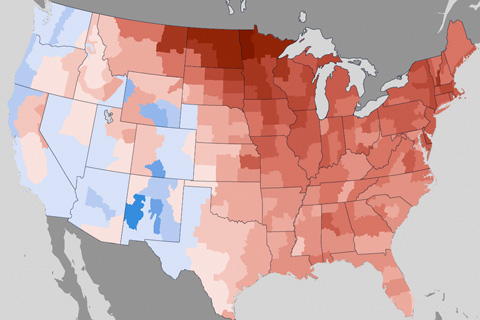
When NOAA’s National Climatic Data Center crunched the numbers for December, January and February—”meteorological” winter for 2011-2012—it stacked up as the fourth warmest of the past 117 winters. Virtually all of the West received less than its average precipitation.
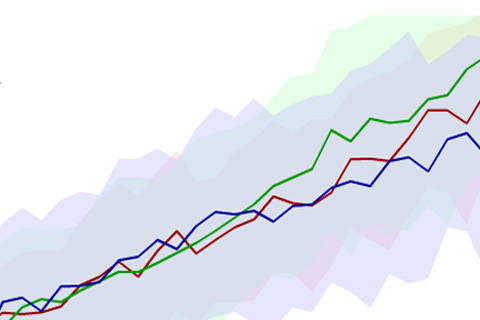
It is virtually certain our world will continue to warm over this century and beyond. The exact amount of warming that will occur in the coming century depends largely on the energy choices that we make now and in the next few decades.
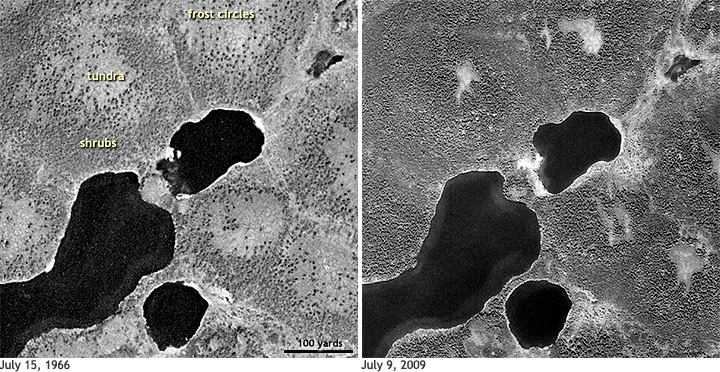
The Arctic of recent years—warmer, greener, less icy—is likely to be the new normal for the Far North. One sign of the ongoing transformation of the Arctic is the spread of shrubs across the tundra.
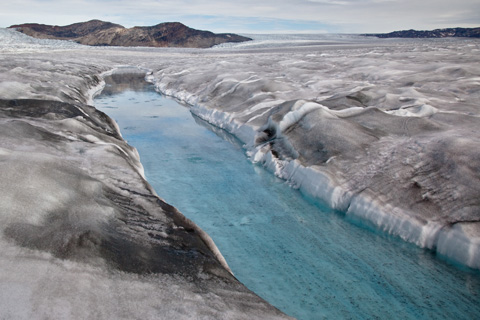
In the 2011 Arctic Report Card, scientists report that the bright white surface of the Greenland Ice Sheet has grown less reflective. The darker surface absorbs more sunlight, accelerating melting.
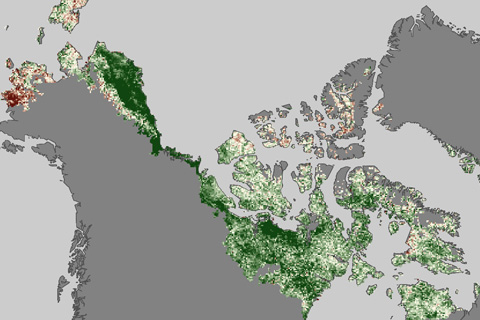
Satellite observations show that as the Arctic tundra has grown warmer in the past three decades, it has also grown “greener.”
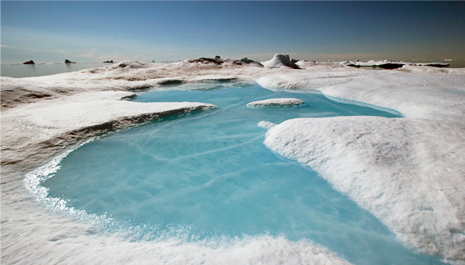
On December 1, NOAA released its annual Arctic Report Card. Like a yearly check-up at the doctor's office, the report summarizes conditions in the Arctic atmosphere, ocean, and on land.