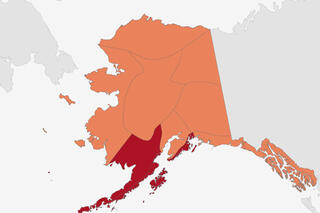
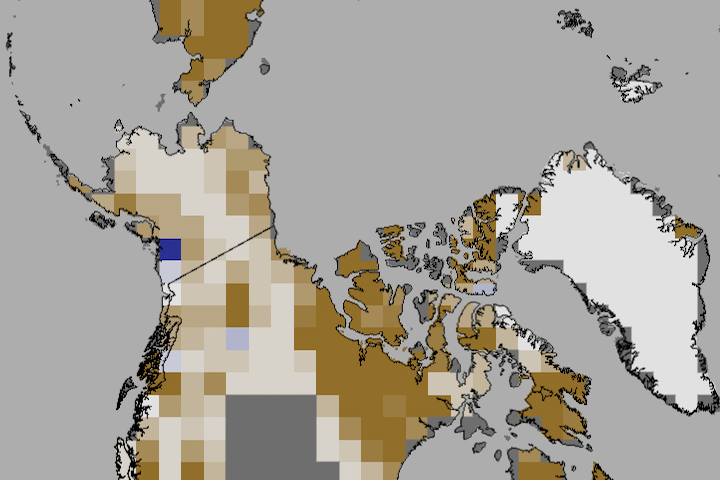
In June 2012, snow cover extent over Eurasia and North America hit a new record low. It is the third time in five years that North America has set a new record low, and the fifth year in a row that Eurasia has. The rate of snow cover loss over Northern Hemisphere land areas in June between 1979 and 2012 is -17.6% per decade—a faster decline than September sea ice loss over the same period.
Climate Science 101: Global Climate Change Impacts in the United States
February 15, 2012
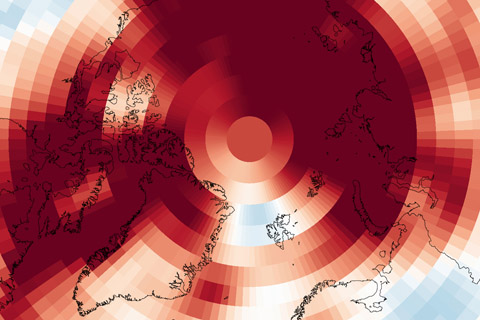
Continuing a decade-long phenomenon, above-average warmth in the Arctic this year was two or more times greater than warming observed at lower latitudes.
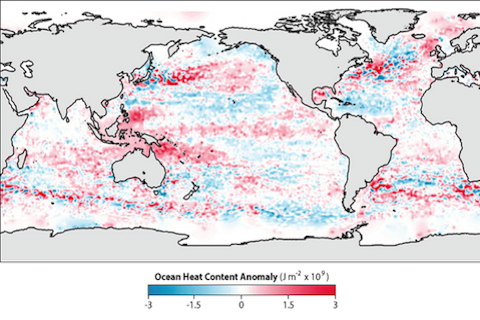
Recent studies show the world’s ocean is heating up as it absorbs most of the extra heat being added to the climate system from the build-up of heat-trapping gases in the atmosphere. This climate trend, and many others, are documented in NOAA’s newly released 2009 State of the Climate Report.
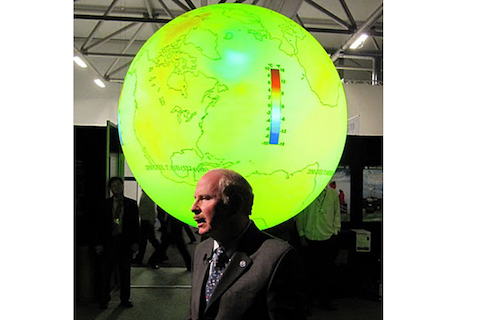
At the United Nations Climate Change Conference, Dr. Alexander E. “Sandy” MacDonald, of NOAA, used Science on a Sphere® to illustrate how climate change will transform the planet if humans do not reduce emissions of greenhouse gases.

In a tweet chat featuring four NOAA marine experts, learn about the National Marine Ecosystem Status website, how to use it, and why you should care about the health of marine ecosystems.
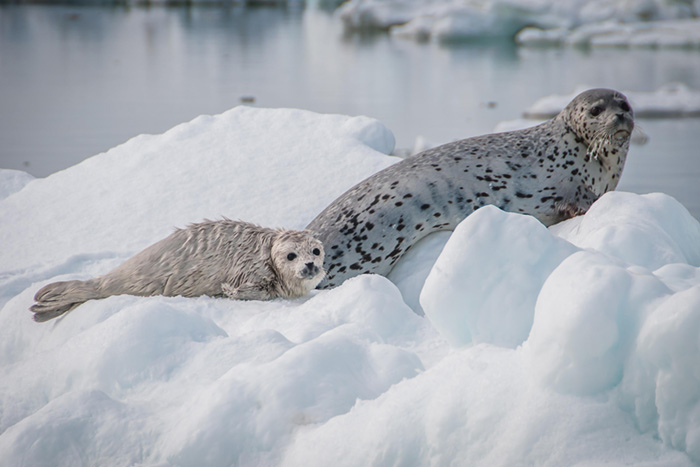
A new NOAA Fisheries study has found some of the first quantitative signs that three species of seals (ribbon, spotted, and harbor) are experiencing impacts of warming in the Bering Sea and Aleutian Islands.