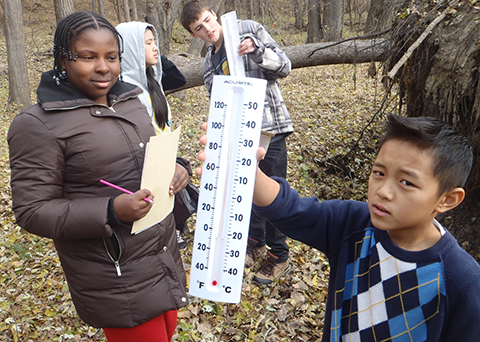
Join three education experts to talk about how engaging, empowering and educating others can lead to powerful climate action.
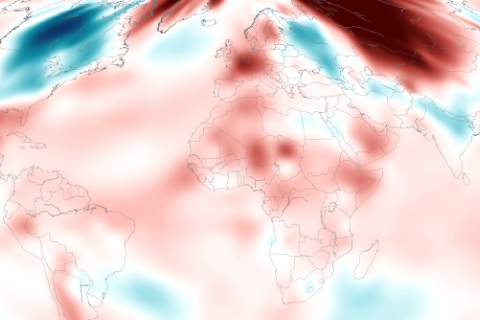
Like the months before it, April 2020 was also the second warmest on record for the globe, which means 2020 is almost certain to be among the four warmest years on record.
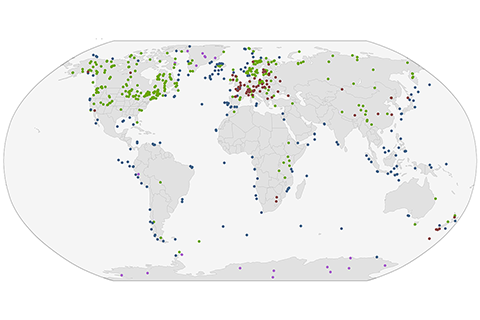
The most comprehensive database ever assembled of paleoclimate proxies that tell scientists about temperatures since the last ice age ended around 12,000 years ago has been released to the public.
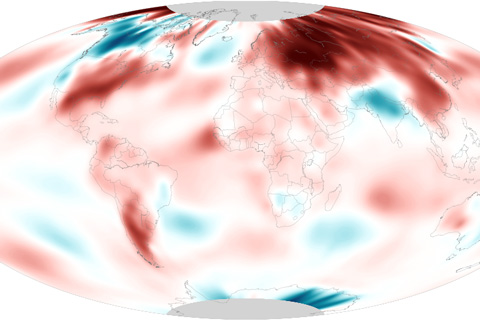
Global temperatures in March 2020 were the second warmest on record, helping to start spring off just as abnormally warm as winter ended.
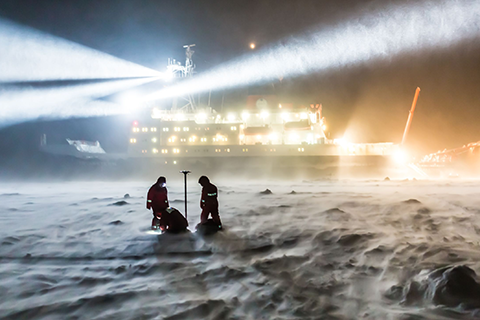
In 2015, NOAA's Climate Program Office (CPO) invited grant proposals from sea ice and climate scientists looking to better understand and predict Arctic sea ice behavior, on timescales ranging from days to decades. This is our second story on some of the resulting research.
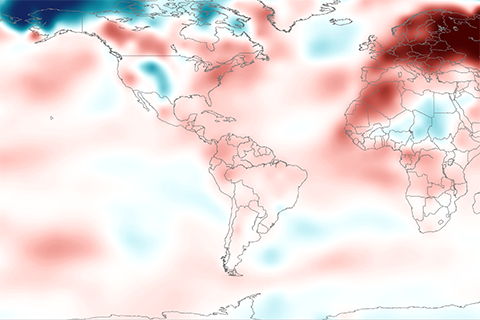
Cool conditions in Alaska and northern Canada related to a strong polar vortex were not enough to outweigh the extreme warmth across Europe and Asia in February 2020. Both the Northern Hemisphere and the globe as a whole had their second-warmest February on record.
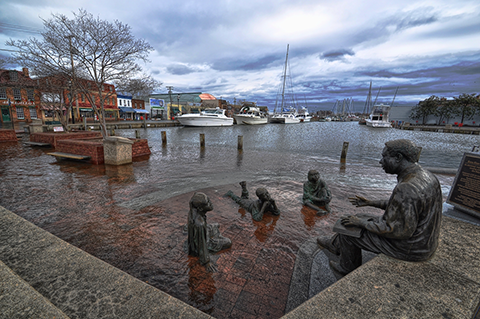
On Tuesday, November 19, NOAA sea level rise expert William Sweet answered questions in a Climate.gov tweet chat about sea level rise and U.S. high-tide flooding.
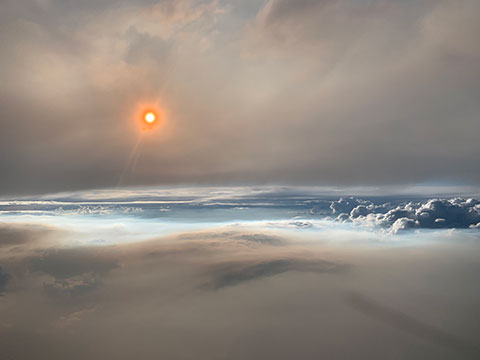
If you missed our August 29 tweet chat, here's the transcript. Read what the fire and smoke experts had to say about the FIREX-AQ field campaign and its mission to study what's in the smoke from wildfires and agricultural burning.
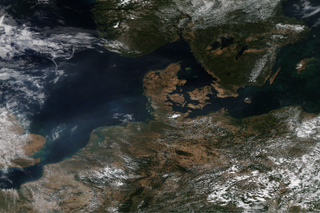
A hot, dry summer has led to drought in Europe in 2018
August 30, 2018