
Since the 1970s, Tulsa, Oklahoma, has transformed itself from one of the nation’s most flood-prone cities to an example of flood-mitigation success. NOAA’s Regional Integrated Sciences and Assessment (RISA) team has published a case study examining how Tulsa transformed, and how other cities can emulate its success.
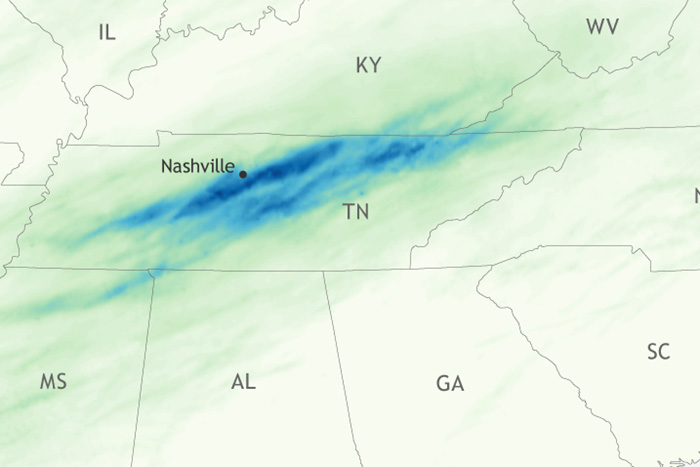
In late 2020, NOAA and the Department of Energy organized a workshop focused on improving predictions of precipitation variability and extremes. The NOAA-DOE Precipitation Processes and Predictability workshop report is now available.
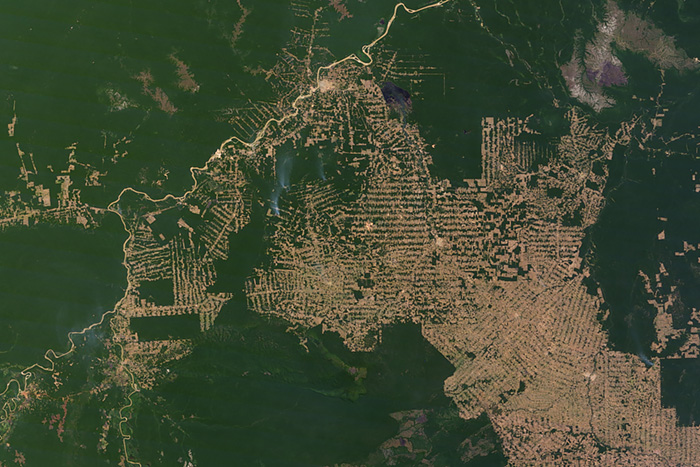
New results from a nine-year research project in the eastern Amazon rainforest finds that significant deforestation in eastern and southeastern Brazil has been associated with a long-term decrease in rainfall and increase in temperature during the dry season, turning what was once a forest that absorbed carbon dioxide into a source of planet-warming carbon dioxide emissions.

With help from NOAA, a caucus of Chicago’s metropolitan mayors has released one of the first regional climate plans in the United States. It calls for reducing greenhouse gas emissions by at least 80 percent from 2005 levels by 2050, and highlights ways to equitably build climate resilience and a vibrant economy at the municipal level by 2050.

The National Marine Sanctuary Climate Change Science Priorities Workshop Report is now available to the public. The report summarizing a cross-NOAA workshop held in January 2021 organized to identify the climate science and information needs of national marine sanctuaries, and actions needed to meet those needs.
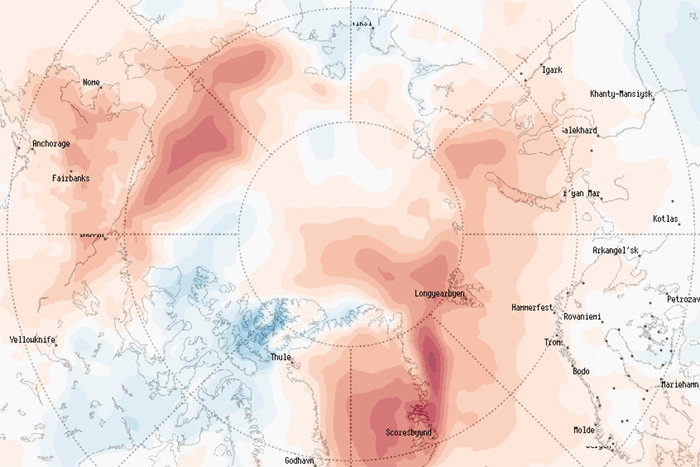
If the Arctic continues to warm, the western Arctic Ocean could be a future hot spot and source of nitrous oxide, a new study has found. Like carbon dioxide or methane, nitrous oxide is directly linked to climate change, contributing to both the greenhouse effect and ozone depletion.
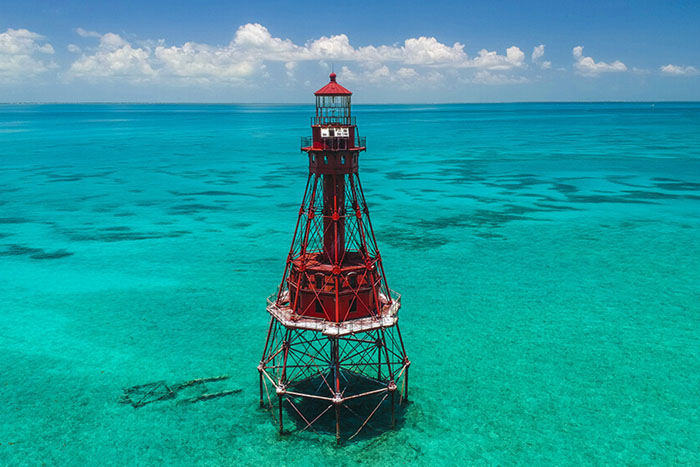
On June 21, 2021, Ben DeAngelo, CPO Deputy Director, and Billy Sweet, Oceanographer with NOAA’s National Ocean Service (NOS), presented to Florida Keys officials. The presentation discussed the causes and impacts of climate change, and covered sea level rise science, projections, and risk management.
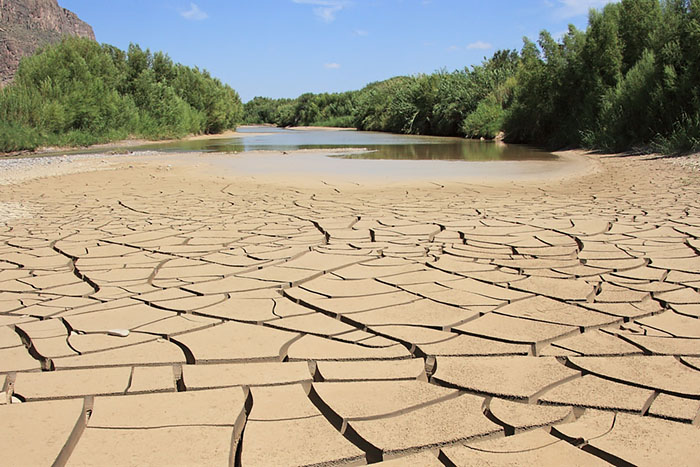
Launched on June 17, 2021, the United Nations Special Report on Drought 2021 warned of rising exposure to the natural hazard. Within the next 80 years, 129 countries will experience an increase in drought exposure mainly due to climate change, and 38 countries primarily due to the interaction between climate change and population growth.
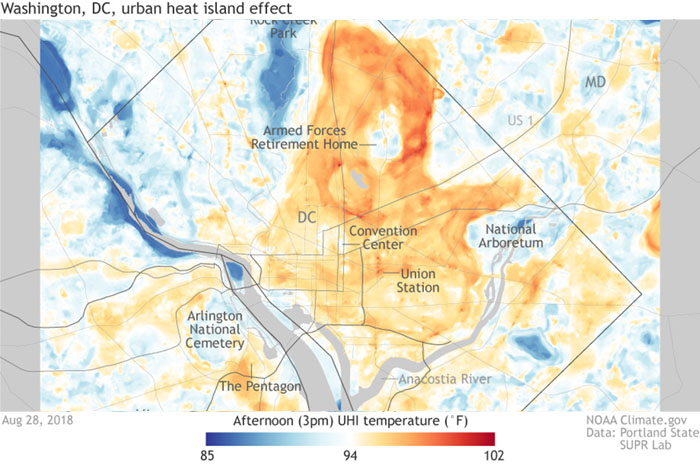
NOAA’s Climate Program Office (CPO) is pleased to announce $950,000 for four new projects that will support decision making in neighborhoods grappling with inequitably distributed impacts from the deadliest weather-related risk in the United States: extreme heat.
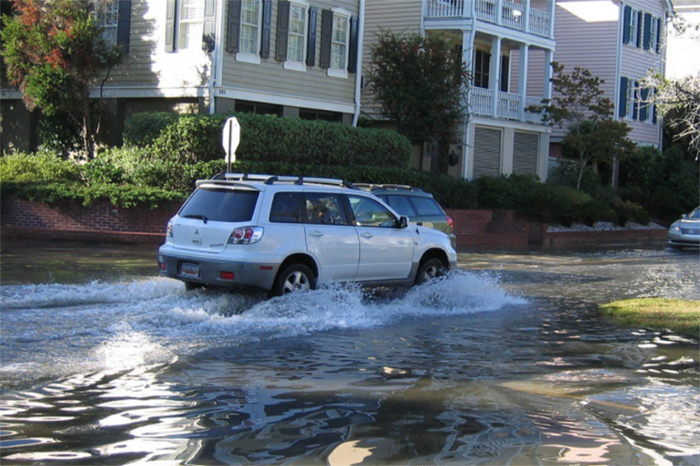
Summary: Multiple U.S. coastal regions may see rapid increases in the number of high-tide flooding days in the mid-2030s, according to a new study. The combined effects of sea-level rise and natural fluctuations in tidal range are anticipated to cause tipping points in the frequency of high-tide flooding. These tipping points can produce acute impacts in underserved communities not prepared for the consequences.