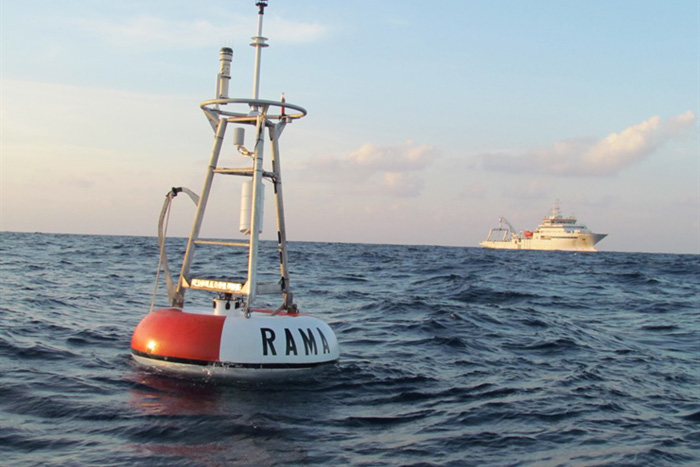
Research presents new links between major climate patterns in the tropical Pacific and Indian Oceans
The Pacific’s El Niño-Southern Oscillation climate pattern interacts with a climate pattern in the Indian Ocean. New research sheds light on this connection.
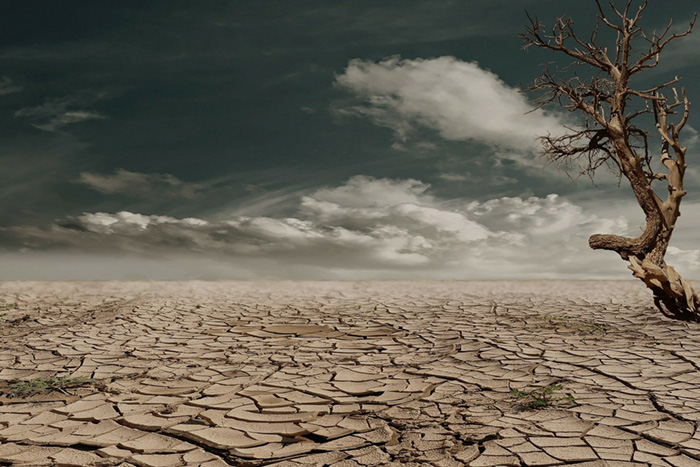
New research finds that, although megadroughts in the southwestern United States may be unavoidable, reducing greenhouse gas emissions can mitigate conditions.
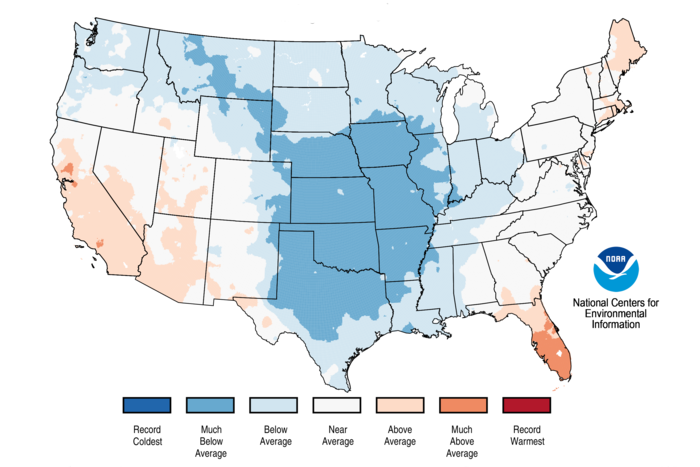
Accelerated Arctic warming may drive extreme winter weather in the United States, according to new research.
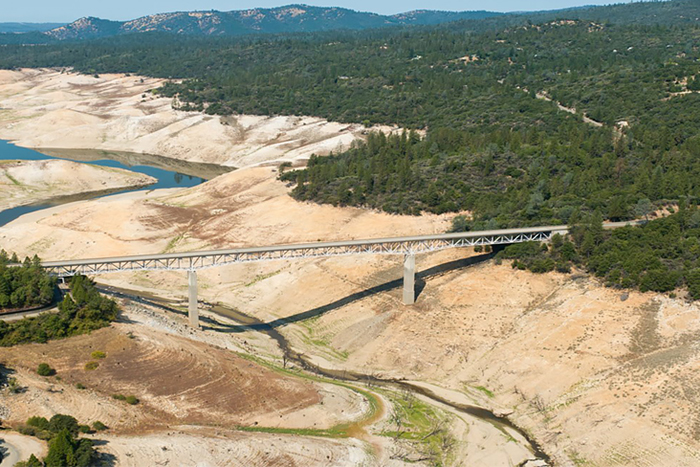
Northeast Pacific heatwaves and extreme California droughts are likely to strike at the same time much more often by the end of the 21st century, a new study says.
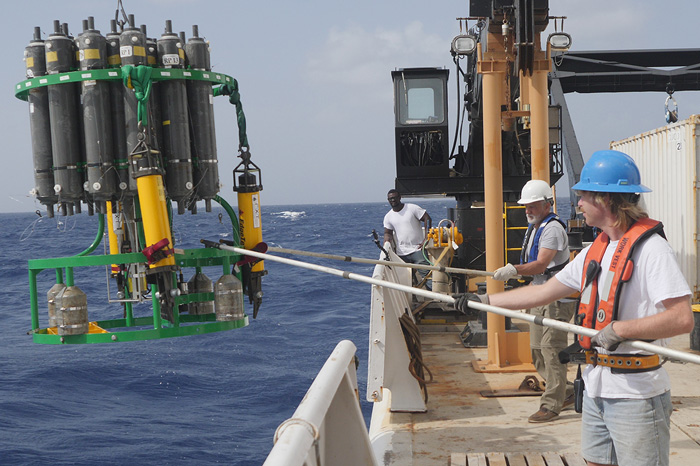
A special issue of the open access journal Earth System Science Data showcases results and datasets from a month-long field campaign in Barbados in 2020.

A new study using data from a NOAA-supported field campaign has found that nearly one-fifth of the wildland firefighters in that campaign had smoke exposure above the recommended occupational exposure limit.
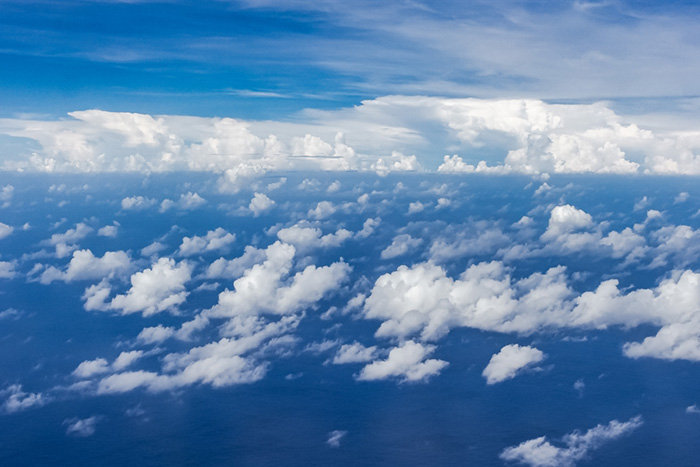
New research on clouds will contribute to a new generation of models aimed at predicting weather and climate.
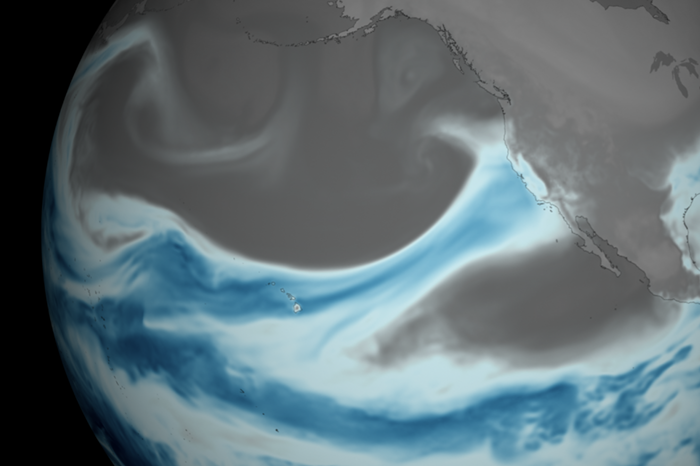
Almost one-third of the mountain snowpack in the Upper Colorado River Basin owes its existence to atmospheric rivers, according to newly published research.
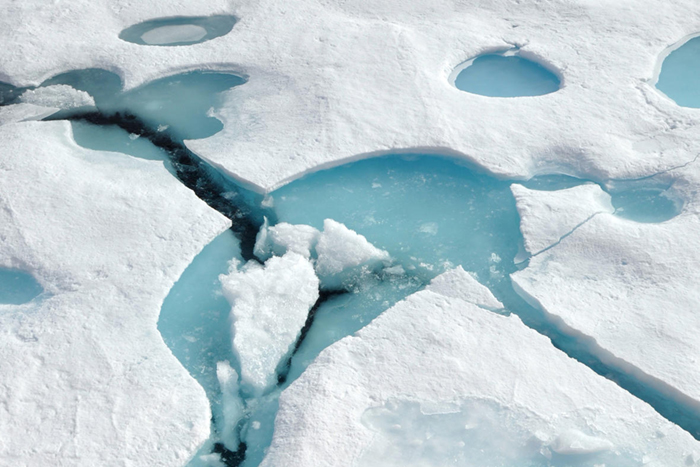
Starting on October 5, 2021, a pair of team members with the Alaska Center for Climate Assessment are set to lead a Massive Open Online Course (MOOC) to educate participants about what climate change looks like in the Arctic.
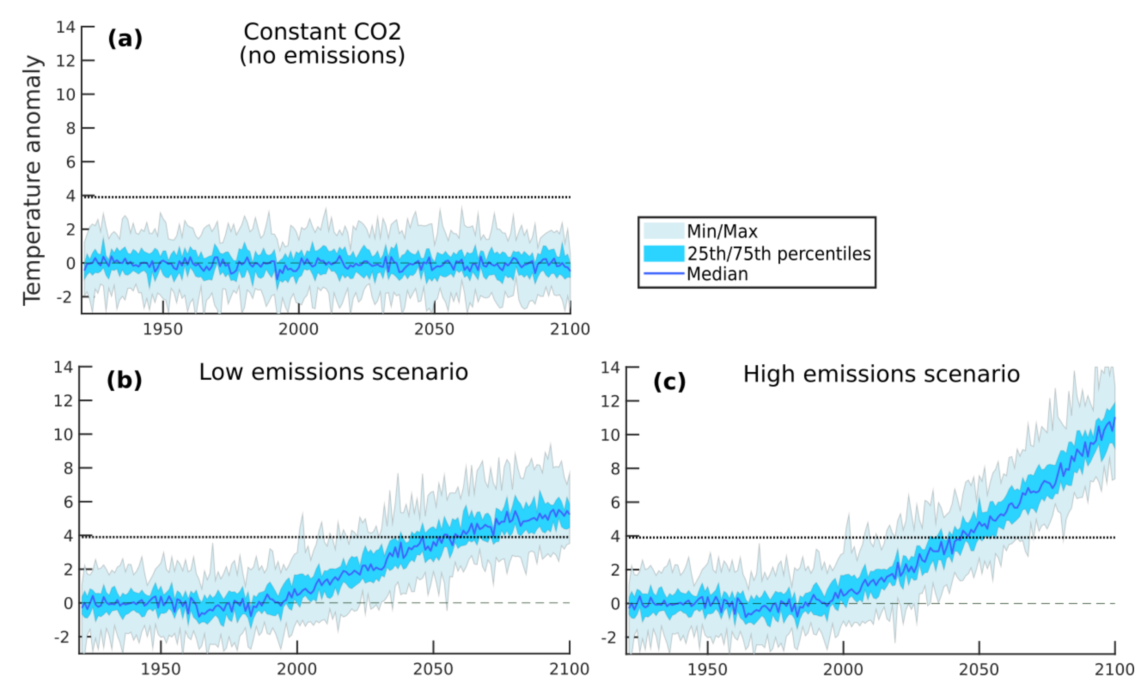
An extreme heat event, breaking all previous records, occurred over southwestern Alaska in the summer of 2019. Analyses using a new high-resolution climate model suggest that the extreme heat event was made up to 6 percent more likely by the impacts of increasing greenhouse gases.