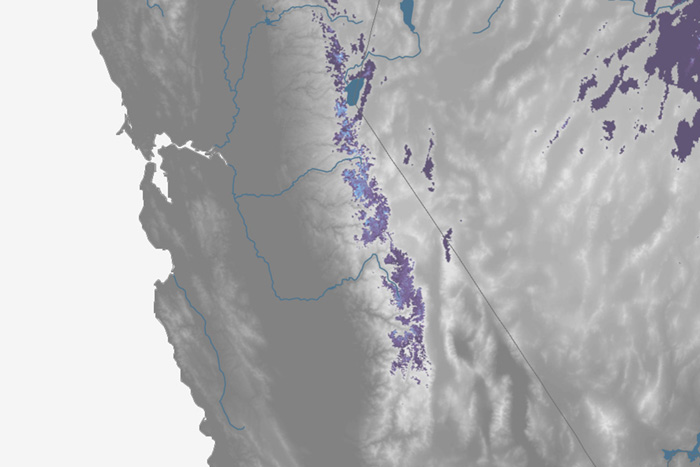
Lessons learned from Hurricane Harvey may help disaster professionals better support preparing for extreme events across the United States. A new report offers insights for businesses and nonprofits in Port Arthur and Beaumont, Texas.
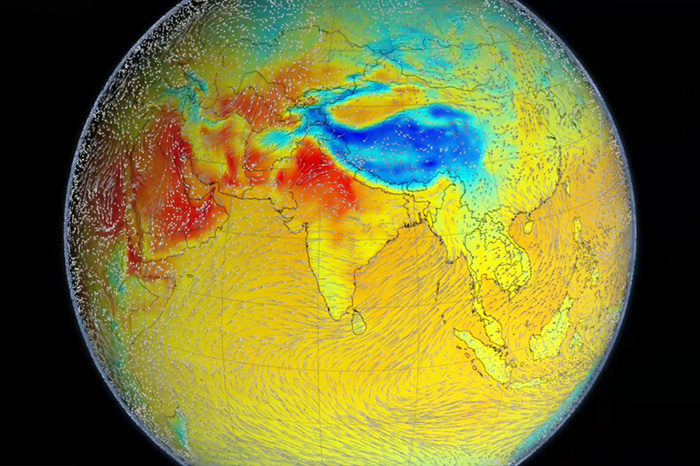
Among the most important summer climate events in the Northern Hemisphere, the South Asian summer monsoon affects more than a billion people. A new study measures how changes in global mean surface temperature will affect the monsoon.
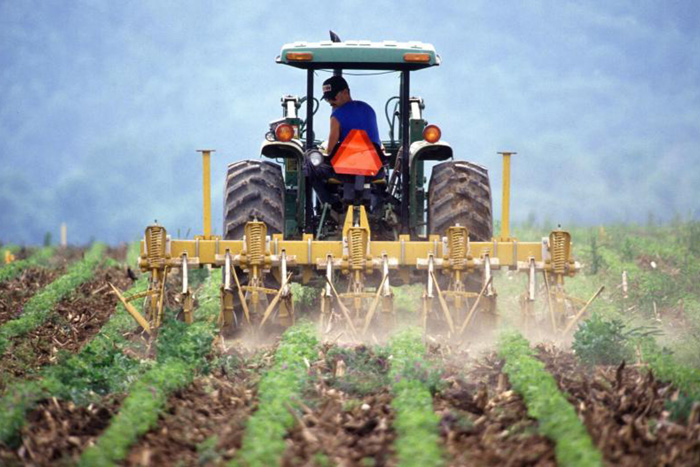
Nitrogen oxide is an air pollutant with health and environmental consequences, so researchers try to accurately gauge human-caused NOx emissions. Emission inventories and satellite observations have given different estimates of NOx. A new study shows the source of the discrepancy
Human activity has driven a positive trend in Earth’s energy imbalance, increasing the planet’s heat storage. This is the conclusion of a new study by Princeton University and NOAA researchers.
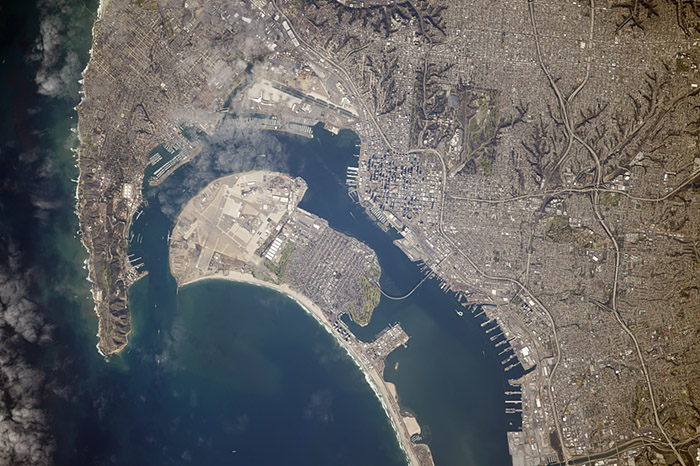
NOAA has worked with the American Planning Association to produce a new report proposing a framework for climate resilience planning in the San Diego region. Some of the threats covered in the report are unique to the region; some threats have already happened in other U.S. regions.
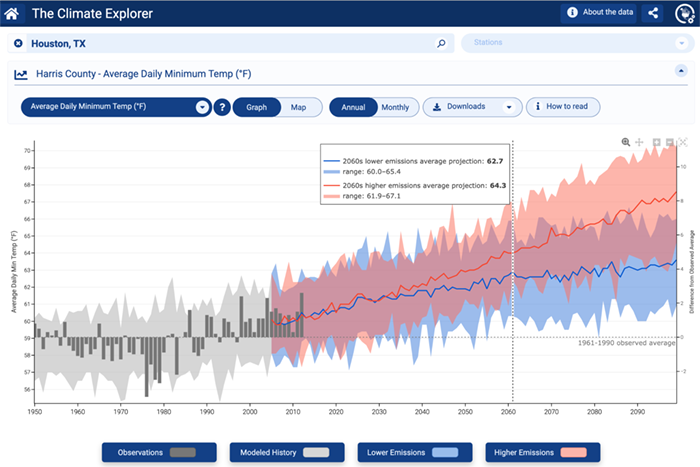
The latest version of the U.S. Climate Resilience Toolkit’s Climate Explorer now offers climate projections for every county in the entire United States. The recent addition of climate projection data for Hawai'i and U.S. island territories in the Pacific Ocean and Caribbean Sea complements the tool’s original contiguous U.S (CONUS) coverage and the addition of data for Alaska in 2020.
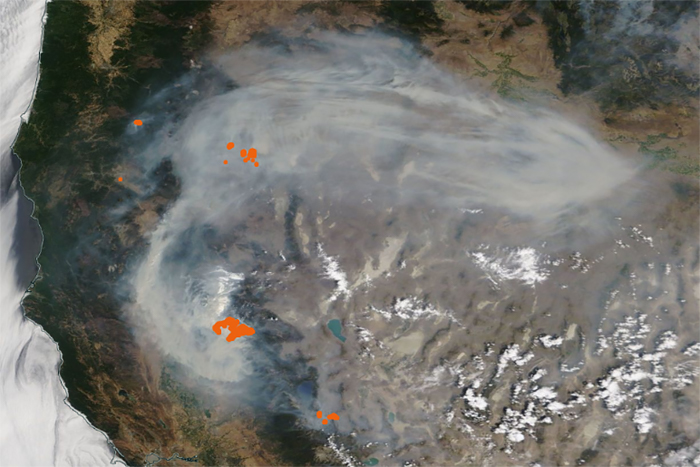
Besides implications for air quality and health, wildfires affect climate. A study designed to uncover the climate effects of wildfire smoke found that smoke from wildfires in the western United States absorbs less sunlight than smoke from wildfires in southern Africa.
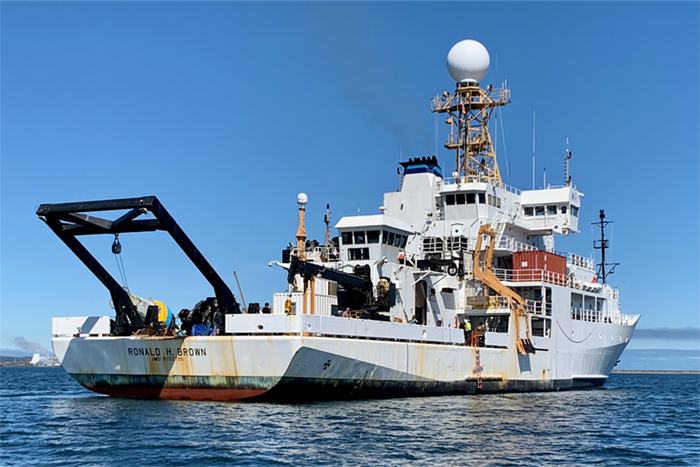
Low-oxygen waters off the coasts of Oregon and Washington have become common in the Pacific Northwest, but the 2021 onset of hypoxic water was the earliest observed in 35 years. The low-oxygen waters could become large dead zones in the near future
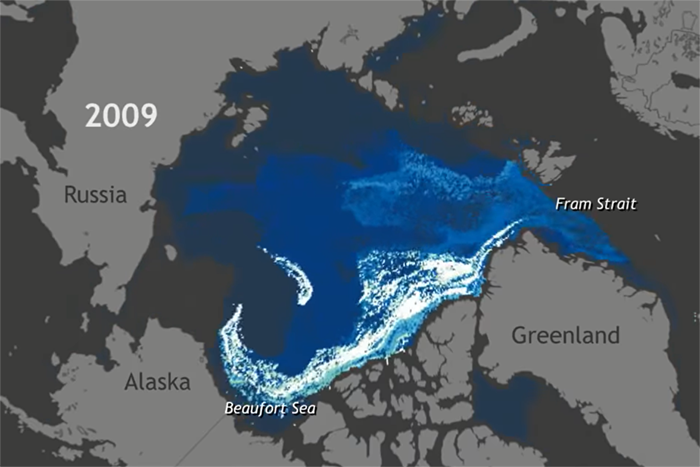
When will the Arctic experience its first ice-free summer? The latest generation of climate models have predicted the Arctic could lose all its summertime ice as early as 2015 or as late as after 2100. New research has narrowed the time frame for this event, indicating that the Arctic could experience its first ice-free summer by 2040.
With help from NOAA, a caucus of Chicago’s metropolitan mayors released one of the first regional climate plans in the United States. It calls for reducing greenhouse gas emissions by at least 80 percent from 2005 levels by 2050.