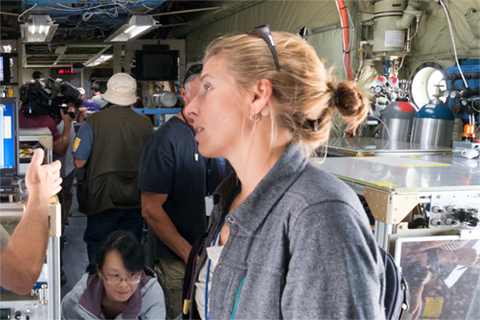
Climate.gov talks with Emily Fischer—an early-career atmospheric scientist and educator who has already made significant contributions to Earth science and fostering greater inclusion of women in the geosciences.
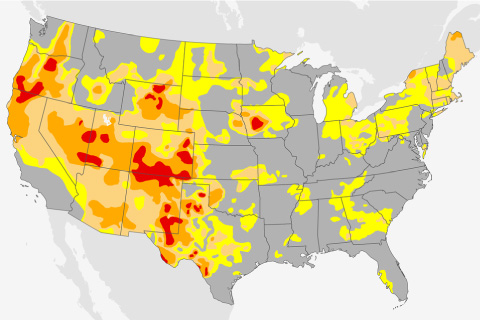
But the precipitation mostly bypassed the West, where drought was widespread.
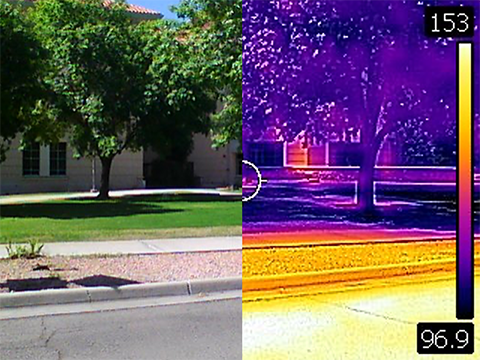
Join three heat experts to talk about how we map, monitor, and lessen the impacts of urban heat islands.
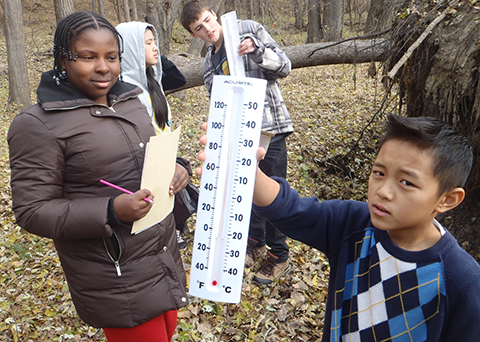
Join three education experts to talk about how engaging, empowering and educating others can lead to powerful climate action.
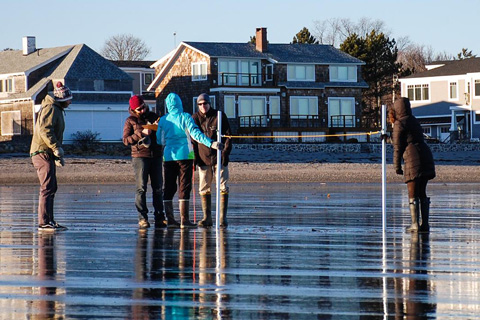
Volunteers in three states are recording changes to their local beaches, information that's vital to protecting and restoring their seashores.
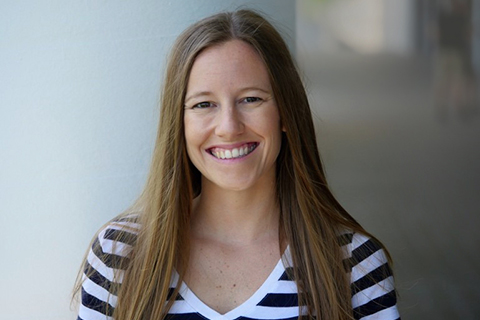
A former NOAA fellow talks about the development of her career and the challenge of telling a model you don't want it to simulate El Niño.
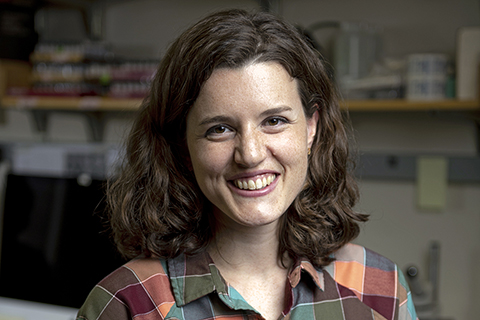
Katherine Allen studies oceans and climate, past and present. Her knowledge of plankton and her scuba diving skills have allowed her to explore fascinating and beautiful locations from New Zealand to Maine.
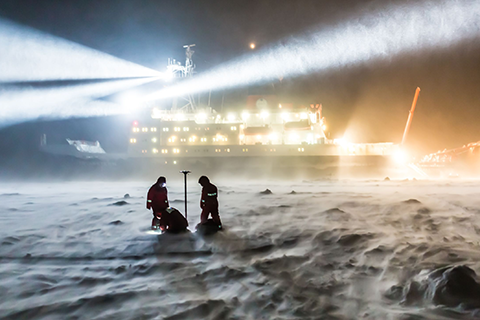
In 2015, NOAA's Climate Program Office (CPO) invited grant proposals from sea ice and climate scientists looking to better understand and predict Arctic sea ice behavior, on timescales ranging from days to decades. This is our second story on some of the resulting research.
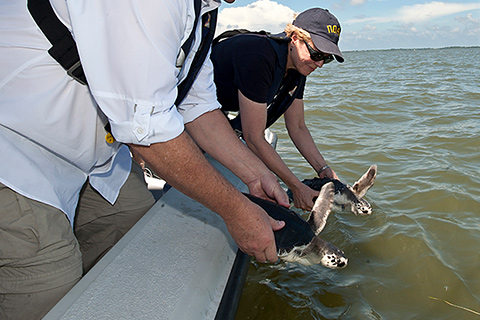
Former NOAA administrator Jane Lubchenco discusses her family's history of women in science, the importance of mentorship, her solution to achieving work-life balance, and how citizen science can help foster trust between scientists and stakeholders.
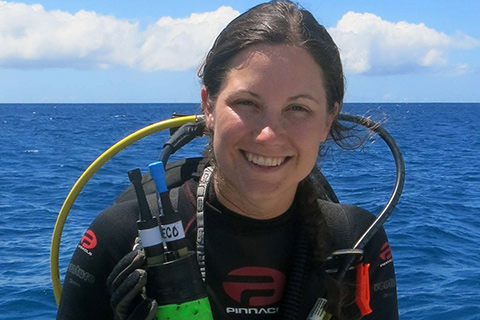
Climate.gov talks with scientific scuba diver and marine scientist Danielle Claar, an early career scientist with a passion for everything ocean—from tide pools to coral reefs.