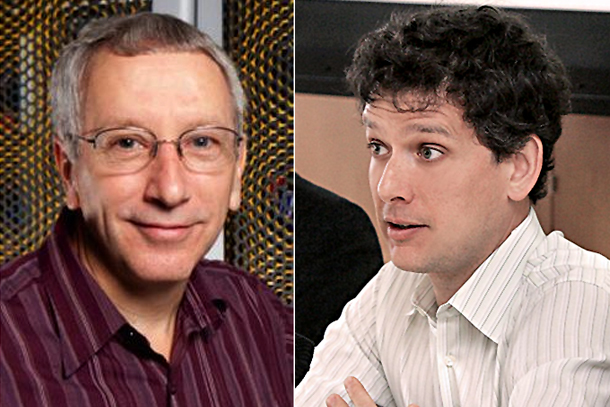
Ron Stouffer and Gabriel Vecchi of NOAA’s Geophysical Fluid Dynamics Laboratory in Princeton, N.J., share their experiences working on one of the most comprehensive scientific documents in history.
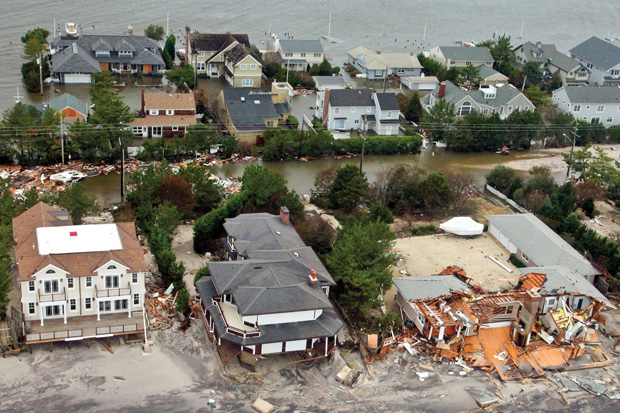
Understanding how extreme events in 2012 were influenced—or not—by human-caused climate change
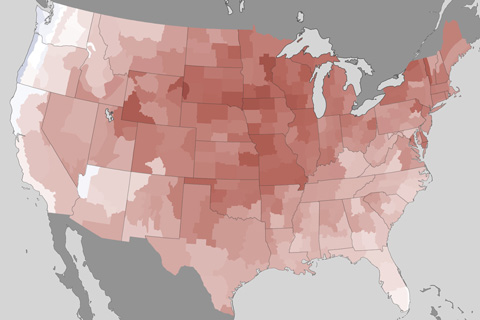
The average temperature for the contiguous United States for 2012 was 55.3° Fahrenheit, which was 3.2° Fahrenheit above the twentieth-century average and 1.0° Fahrenheit above the previous record from 1998.
It may seem remote from our everyday lives, but the Arctic exerts a powerful influence on the rest of the planet. From rising sea level, to U.S. and European weather, to bird migrations, NOAA Administrator Jane Lubchenco describes how Arctic climate change can influence the rest of the planet.
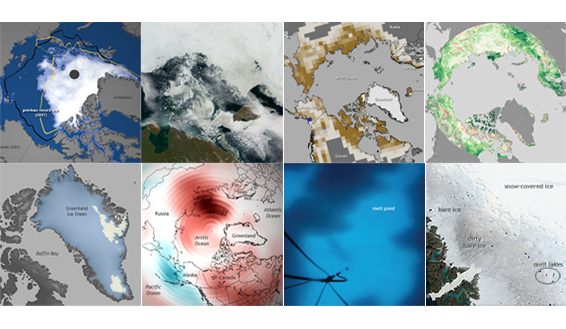
NOAA released the 2012 installment of the annual Arctic Report Card on December 5, 2012, as part of the American Geophysical Union's fall meeting. This image collection is a gallery of highlights based on the report's major themes. It was developed by the NOAA Climate.gov team in cooperation with Arctic Report Card authors and other Arctic experts.
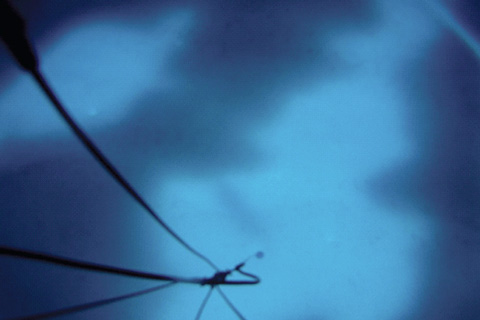
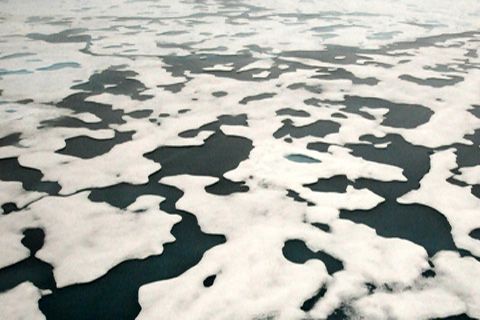
Shallow melt ponds on the surface of consolidated sea ice act as skylights that promote massive under-ice phytoplankton blooms. These under-ice blooms may boost estimates of Arctic phytoplankton productivity by a factor of 10.
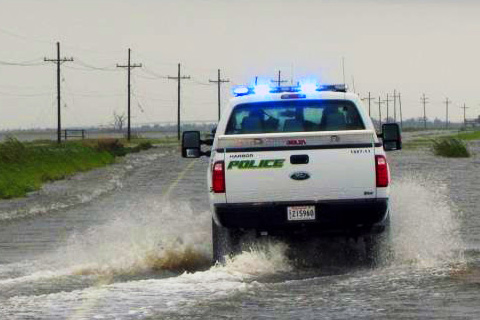
At the edge of southern Louisiana sits Port Fourchon—the hub through which 20 percent of our nation’s oil and gas supplies are distributed to the rest of the country. The only road leading to and from this major port is the Louisiana-1 Highway. A drive down the LA-1 through a vulnerable but vibrant coastal landscape shows what is at stake if ‘America’s longest main street’ fails to stay above water.
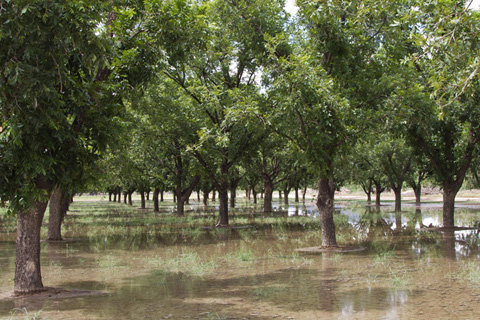
Pecan and chili growers along the Lower Rio Grande can tap groundwater during droughts, but the aquifer water is salty and harmful to the soil over the long term.
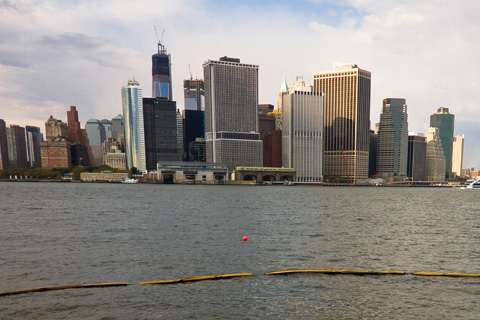
We can’t immediately link Hurricane Sandy itself to climate change, says climate scientist Cynthia Rosenzweig, but the flooding damage we can. Partly due to global warming, sea level has climbed about a foot in the NYC area over the past century, giving storm surges a “step up” along the coast.
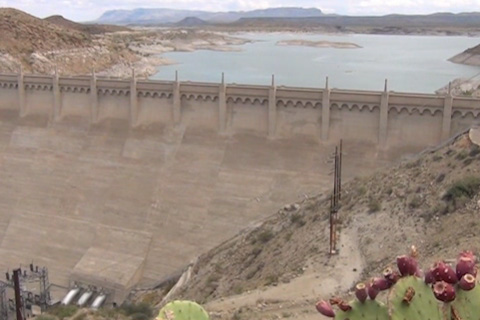
On the Rio Grande—historically the wellspring for more than five million people in Colorado, New Mexico, Texas, and Mexico—coping with scarcity has become a reality, and water management and use in the region may be a leading example of how to adapt to drier times