As key habitat goes underwater, NOAA is relocating some endangered Hawaiian monk seals to higher ground.
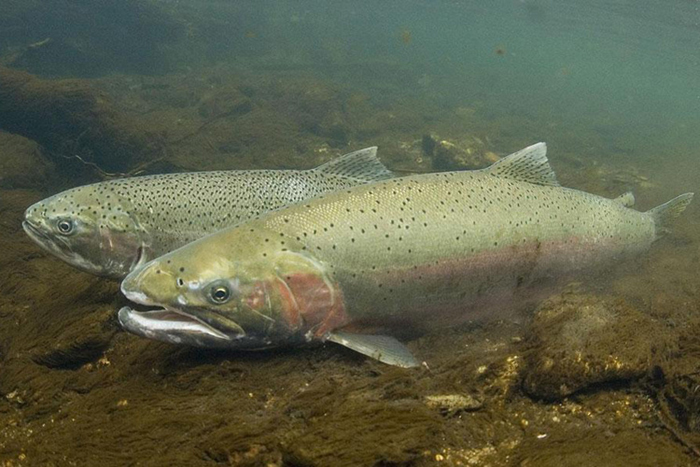
From the coasts of South America to the Galapagos Islands, the story of ENSO cannot be told without discussing its impact on marine life. But just as ENSO can affect climate patterns thousands of miles away from the equatorial Pacific, ENSO can also affect marine life. And there is no better example of this than its impacts on Salmon across the North Pacific. In this interview with expert Dr. Nate Mantua, learn all about the complexities of salmon and ENSO.
Excessive rainfall enabled a mosquito population boom in Arizona, increasing the opportunities for the virus to spread from birds to people.
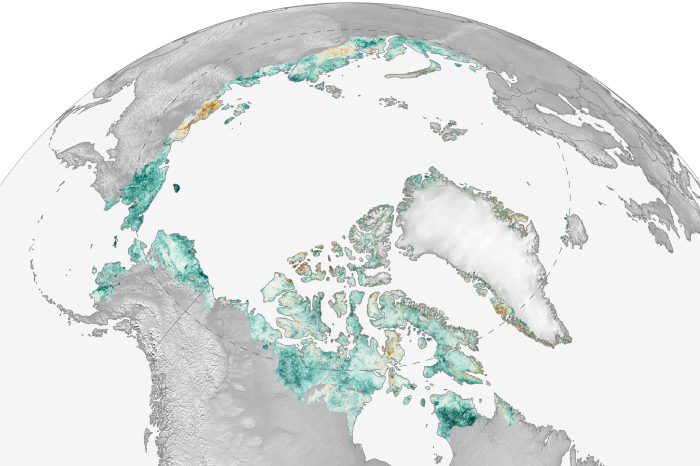
But fires and other disturbances create patches of "browning" in satellites' view of Arctic vegetation.
Climate change is transforming the Arctic into a ‘dramatically different state.’ Browse this collection of image highlights from NOAA's 2021 Arctic Report Card.
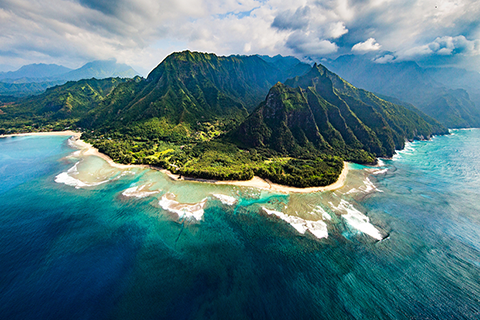
In a tweet chat featuring four NOAA marine experts, learn about the National Marine Ecosystem Status website, how to use it, and why you should care about the health of marine ecosystems.
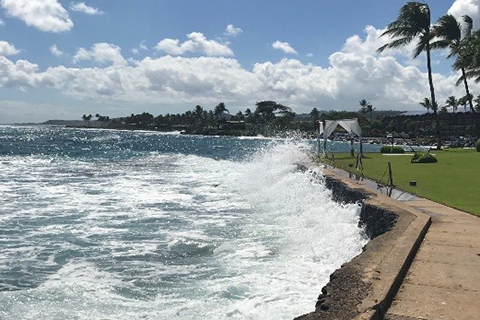
Record high sea levels and rainfall extremes have buffeted Hawaii and other U.S. Pacific islands this year.
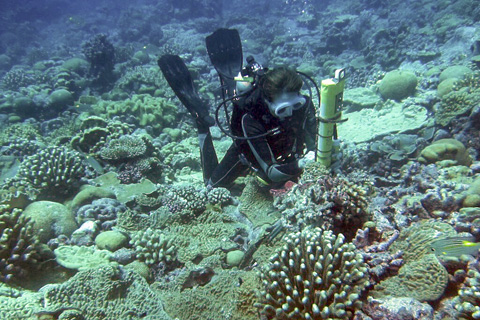
It's been a tough year for the globe's coral and the scientists who use coral to paint a picture of ENSO back thousands of years.
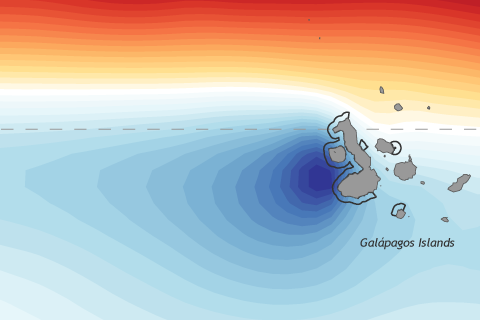
Few places on Earth are more strongly affected by El Niño than the Galápagos Islands, which straddle the equator in the eastern tropical Pacific. Guest blogger Kris Karnauskas explains why these unique islands are so biologically productive—and what happens to that productivity during El Niño.