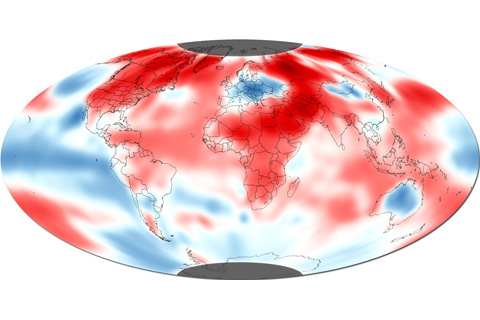
The average global surface temperature in October 2010 was 58.07°F (14.54°C), which is 0.97°F (0.54°C) above the historical average, according to the monthly assessment from NOAA's National Climatic Data Center.
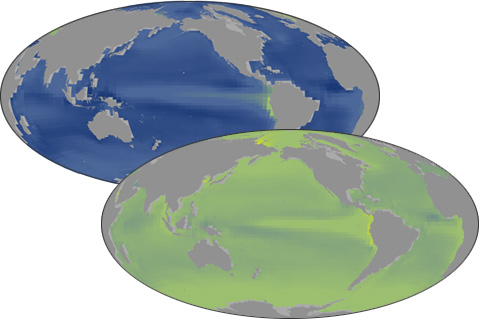
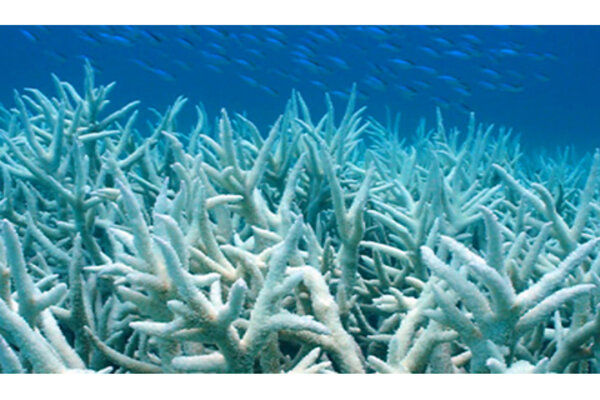
Rising concentrations of carbon dioxide in the air lead to more acidic seawater. More acidic water corrodes minerals that many marine creatures rely on to build their protective shells and skeletons.
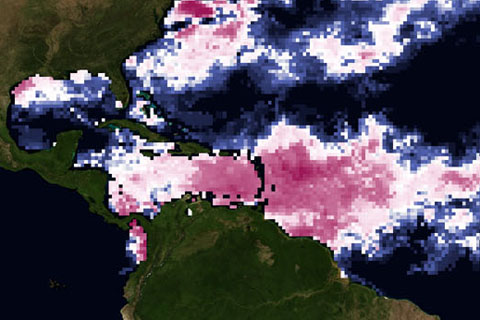
How do warm waters in the Caribbean this year compare to conditions in 2005, when high ocean temperatures triggered the worst mass coral bleaching event ever seen in the region?
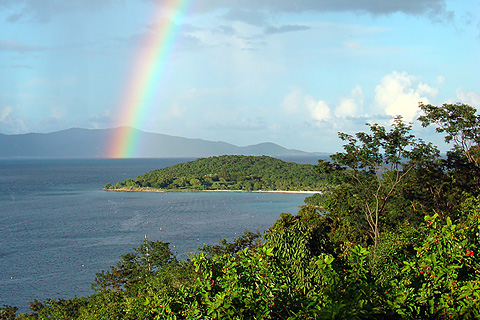
[From the archives] Facing the possibility of a massive coral bleaching event in the Caribbean Sea in late summer and early fall 2010, a USGS biologist based at U.S. Virgin Islands National Park hopes that the season won't have the same devastating outcome as a similar event in 2005.
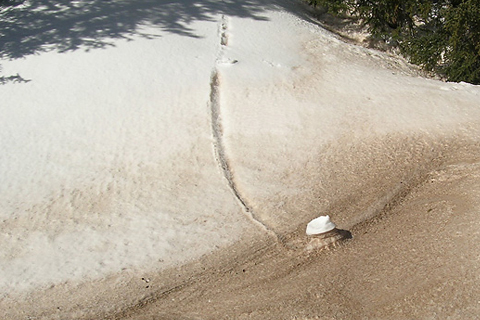
When the winds are right, dust from the deserts of the U.S. Southwest blows onto the snow-capped Rocky Mountains. How do dirty snowfields contribute to the loss of more than 250 billion gallons of water in the Colorado River?
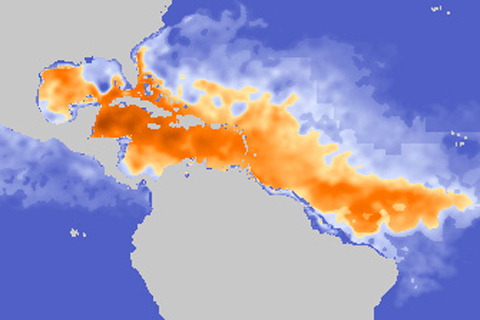
Identifying ocean areas with a deep layer of warm water—places that are storing large amounts of heat—is important for scientists trying to predict whether or not a hurricane will intensify.
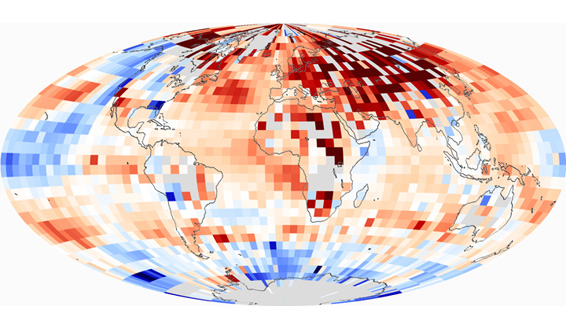
Each of the last three decades was warmer than all earlier decades in the instrumental record, and each set a new and statistically significant record, culminating in the 2000s, which was the warmest decade of all.