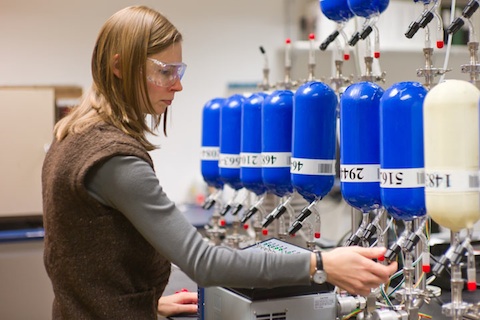
Molly Heller is part of a team of scientists who processes flasks of air samples in NOAA’s Earth System Research Laboratory in Boulder, CO. Week in and week out, Heller and her colleagues unpack sealed glass flasks shipped back to Boulder from dozens of remote sites around the world. What’s inside is priceless: air captured from a site near Tasmania’s Cape Grim; from Summit, Greenland; the Canary Islands; the South Pole.
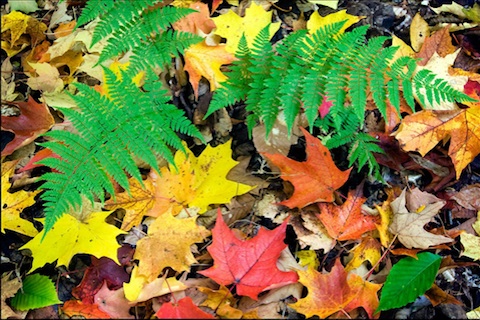
The types of tree species that grow in a particular region determine the range of bright colors that paint our landscapes during the fall season. In the future, scientists project that the forest habitats all around us may undergo major changes to due to warming temperatures.
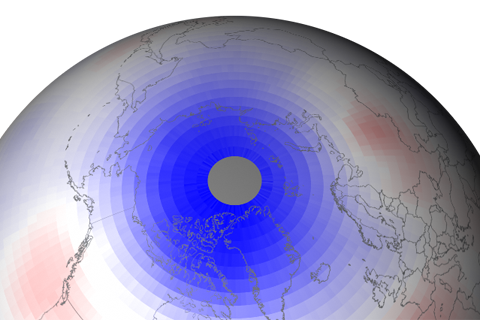
Compared to the large ozone hole that forms over Antarctica each year, Arctic ozone loss has generally been much more limited. But in 2011, Arctic ozone declined to surprisingly low levels. What did climate have to do with it?
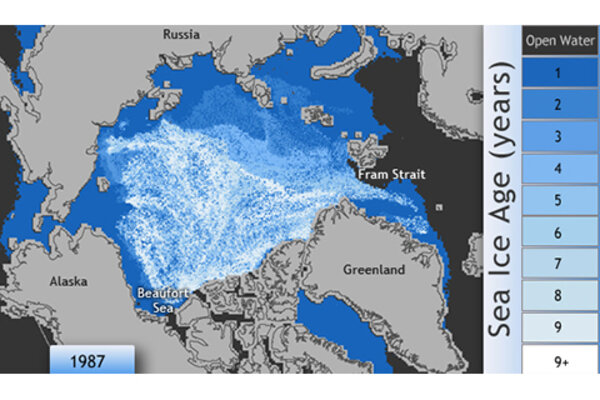
Old Ice Becoming Rare in Arctic
October 4, 2011
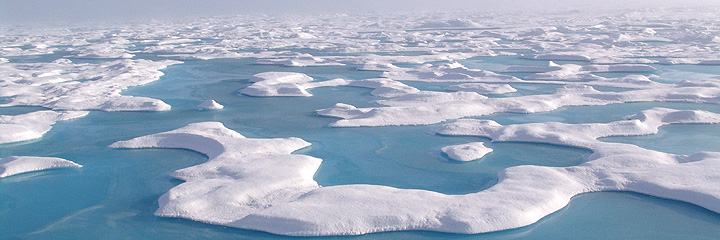
The low ice extent recorded this September continued the downward trend seen over the last 30 years. Meanwhile, scientists are finding that the ice cover has grown thinner, making it more vulnerable to melting during the summer.
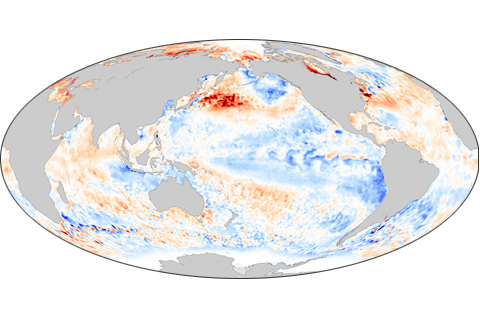
Following a brief interlude of “neutral” sea surface temperature conditions this summer, La Niña has returned to the tropical Pacific Ocean. The cool phase of the El Niño-Southern Oscillation climate pattern is expected to persist through winter.
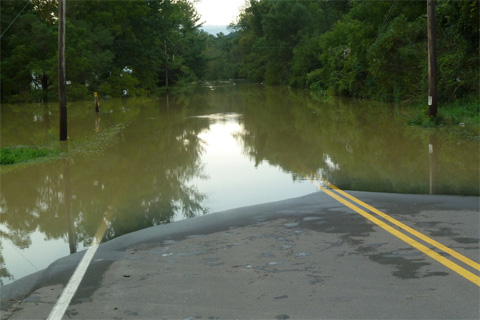
The remnants of Tropical Storm Lee brought record rainfall amounts to the East Coast in the first week of September, swelling rivers and forcing evacuations in some areas of Pennsylvania and New York.