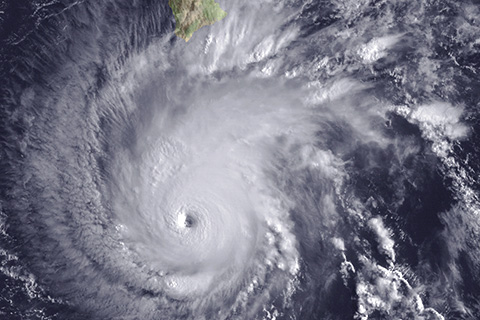
Many networks across the U.S. collect air temperature and precipitation observations we use to characterize these events. But only NCEI's U.S. Climate Reference Network (USCRN) was designed with lab-calibrated sensors--in triplicate--to ensure a high-quality, continuous record of U.S. climate.
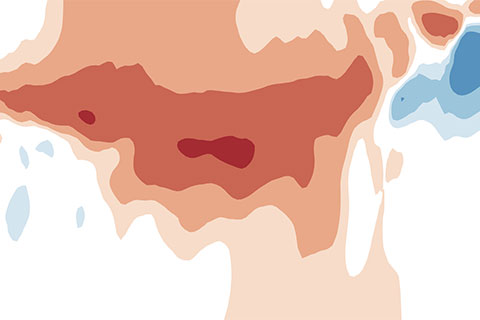
NOAA has issued an El Niño Advisory, reflecting the presence of El Niño conditions in the tropical Pacific.
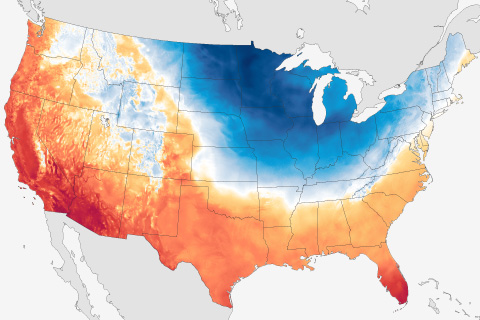
NCEI's Anthony Arguez uses a new dataset for tracking hot and cold extremes to provide a preliminary analysis of the Arctic blast that hit the Midwest and other parts of the eastern United States in late January 2019.
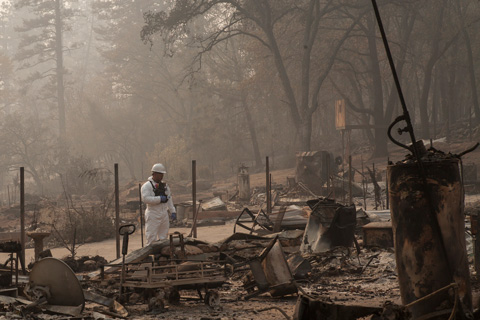
NOAA’s National Centers for Environmental Information (NCEI) tracks U.S. weather and climate events that have great economic and societal impacts. Since 1980, the U.S. has sustained 241 weather and climate disasters where the overall damage costs reached or exceeded $1 billion (including adjustments based on the Consumer Price Index, as of January 2019). The cumulative cost for these 241 events exceeds $1.6 trillion.
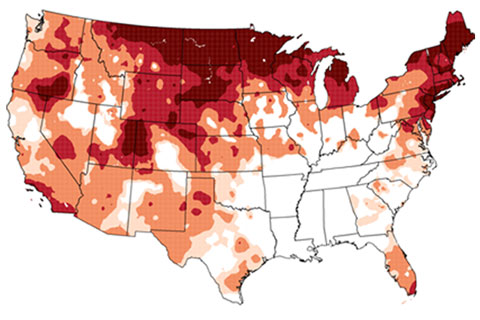
If the recent weather whiplash has left you wondering how U.S. winters are changing over time, NOAA climate maps tell the story.
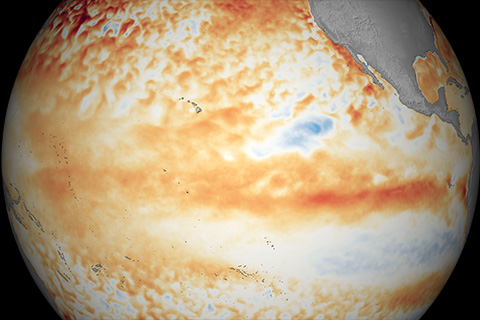
The tropical Pacific Ocean is sending out signals, but the atmosphere has yet to respond. Our blogger gives you the scoop.
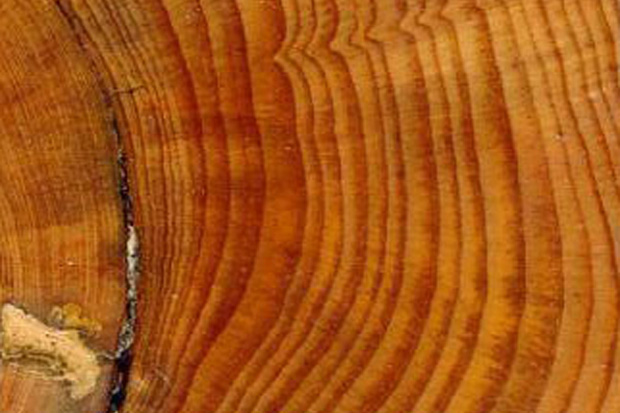
Tree rings can reveal the age of wood used to make human artifacts from famous violins to the cliff ruins of Mesa Verde, and also tell us about the climate conditions that prevailed when those trees were alive.
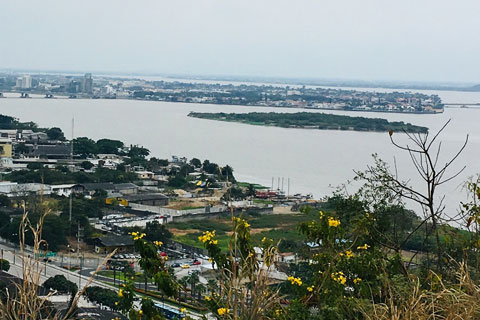
What is the latest and greatest in ENSO science? This blogger travels to Guayaquil, Ecuador to find out.
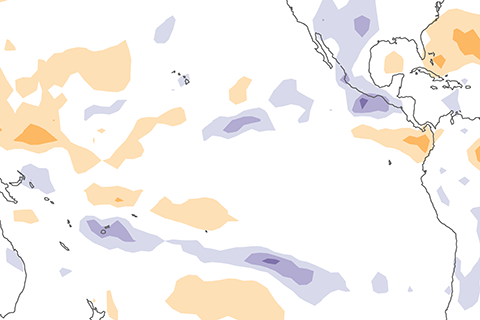
The east-central equatorial Pacific is warmer than average, but El Niño hasn’t arrived quite yet. What’s the ENSO latest?
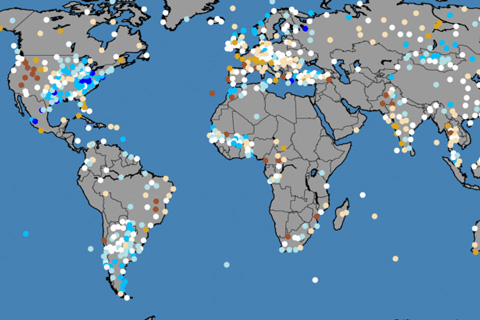
Climatologists don’t make house calls, but they do provide answers about why keeping track of Earth’s vitals is so important. Here’s a quick Q&A.