The Climate Resilience Fund will provide up to 20 competitive $10,000 grants to organizations interested in using the U.S. Climate Resilience Toolkit’s Steps to Resilience. Applications are due July 22, 2022.
En realidad, desde diversos puntos de vista, es más difícil pronosticar el tiempo para dentro de dos semanas que pronosticar el clima con décadas de anticipación.
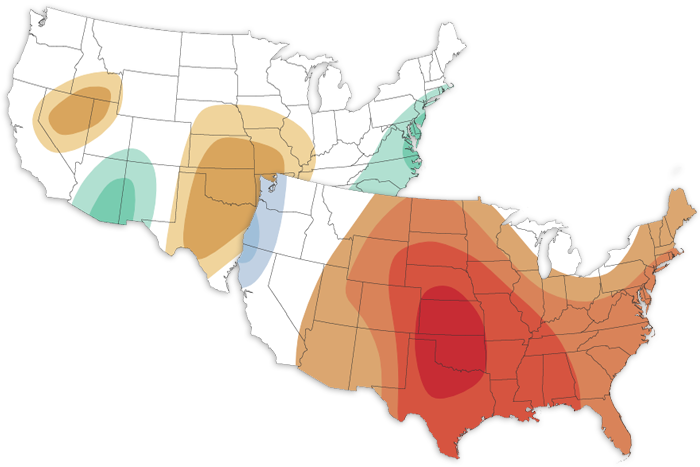
The July 2022 Climate outlook favors a hotter-than-average month for much of the country with a continuation of the wet start to the North American monsoon across the Southwest.
The worst megadrought in 1,200 years has gripped most of the western United States, driven in part by climate change. Partnering with federal, tribal, state, and local leaders, NOAA will host a drought and heat webinar on July 21, 2022.
A new study finds that more frequent rocket launches may harm Earth’s ozone layer. The finding highlights the need to better understand the impact of space travel on ozone and climate.
A new study finds that global warming contributed to a 13-percent decline in tropical cyclones worldwide over the 20th century. The North Atlantic bucked this trend, though. More frequent North Atlantic hurricanes could be caused by decreasing human-caused aerosols.
Alaska is more than 4,000 miles from the equator. Does the influence of El Niño and La Niña reach that far?
Sparked by lightning on May 31, the East Fork Fire spread swiftly across the Alaskan tundra, threatening four Yup’ik villages by mid-June. NOAA updated local residents, as well as state and national news media about the rapidly evolving situation. Though unrelated to the fire’s source, climate change likely contributed to the fire’s rapid growth to historic proportions.
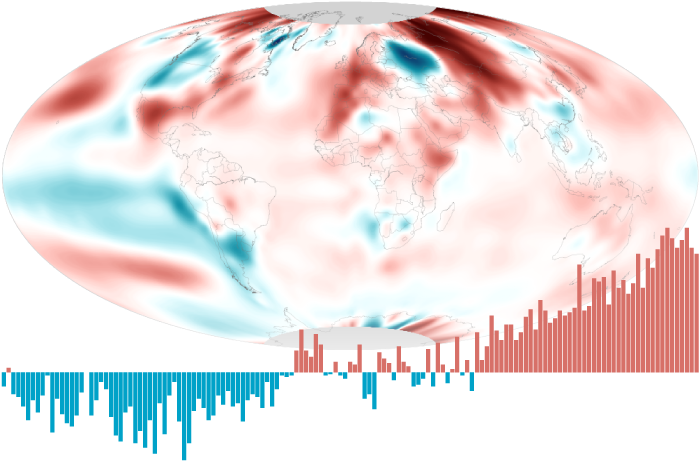
May 2022 was the ninth-warmest May in the 143-year NOAA record. Despite La Niña, there's a greater than 99 percent chance that 2022 will rank among the 10 warmest years on record.
June 8, 2022 was World Ocean Day. The global ocean covers roughly 70 percent of Earth’s surface and produces at least half of the world’s oxygen. It’s home to most of Earth’s biodiversity, and the main source of protein for more than a billion people.