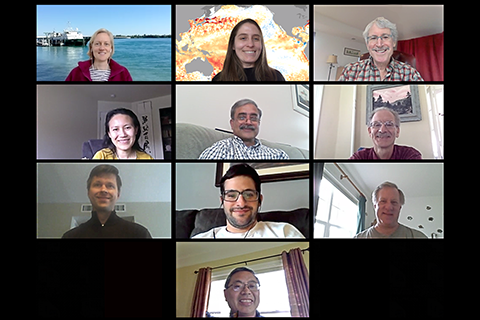
The ENSO team goes virtual in bringing you the latest outlook across the tropical Pacific Ocean.
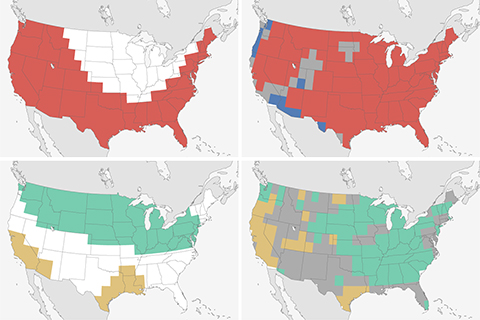
How did the 2019-20 Winter Outlook do? Pretty darn good if you ask us! Learn just how good in our yearly verification post.

New research weighs in on a popular debate about whether reduced Arctic sea ice is causing extreme mid-latitude winters. Their result? Blame the atmosphere, not the ice.
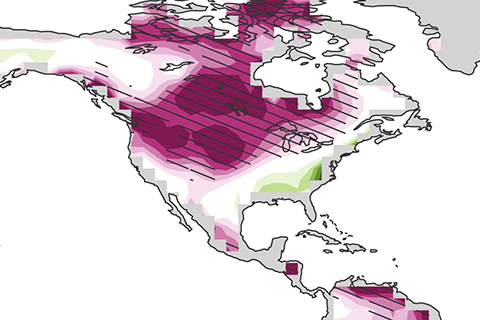
Dr. Haiyan Teng explains why the moisture in the ground you walk across may have important consequences for the summertime climate.
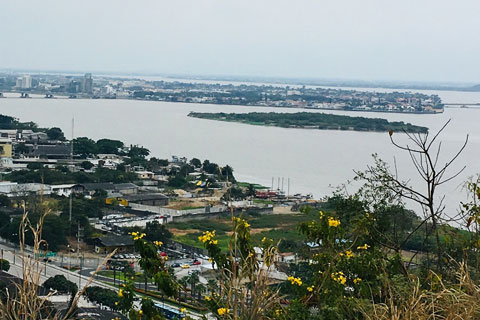
What is the latest and greatest in ENSO science? This blogger travels to Guayaquil, Ecuador to find out.
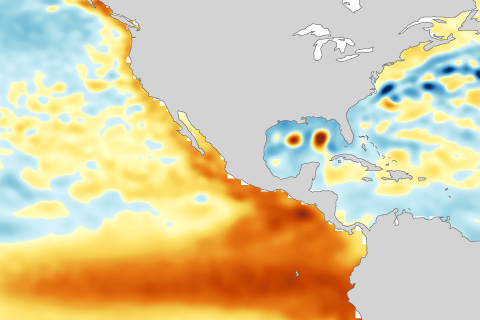
Amazingly, ENSO doesn't just impact climate anomalies like temperature and precipitation over the United States. It can also influence the sea level, which may have major implications as the sea level continues to rise in the future.
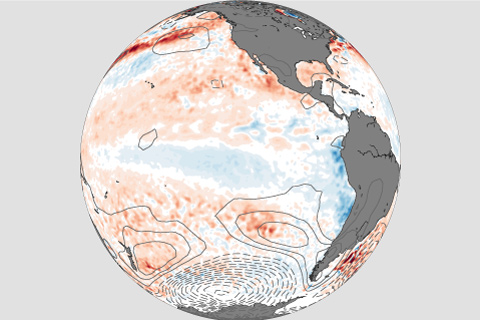
Wondering how strong any potential El Niño might be this winter? Maybe you should look to the South Pacific for clues.
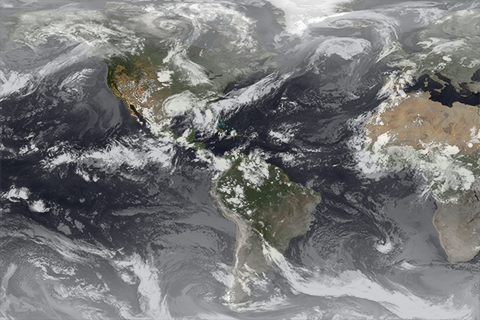
Want to forecast both weather and climate? First this means understanding the faster and slower moving features of our atmosphere, ocean, and land.
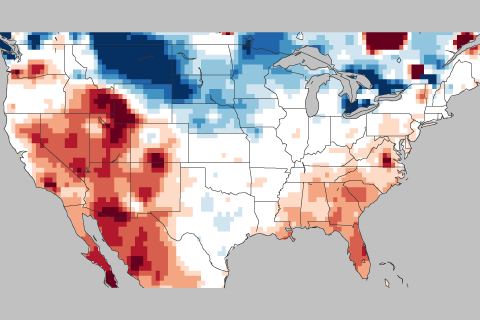
In this week's ENSO blog, Tom DiLiberto gets all judgy over the 2017-2018 Winter Outlook—using science of course.
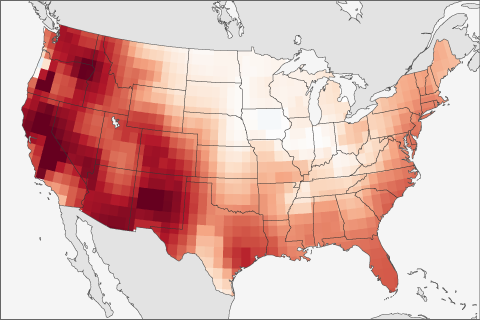
The forecast of ENSO is not the only thing scientists use when making seasonal forecasts. This post looks at another predictor that often is even better to use than ENSO.