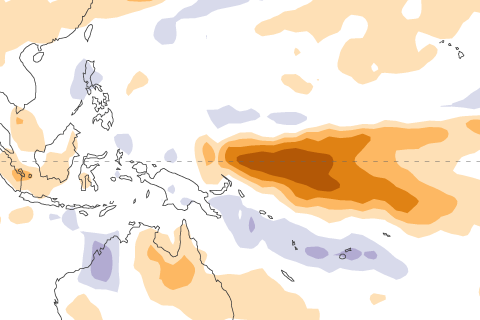
La Niña's here through winter, but chances for ENSO to transition to neutral by spring are rising.
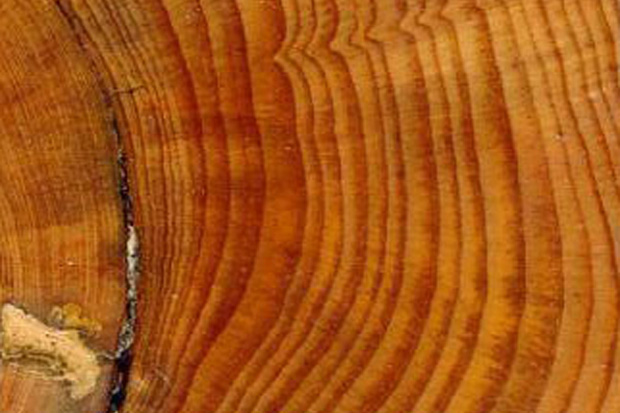
Tree rings can reveal the age of wood used to make human artifacts from famous violins to the cliff ruins of Mesa Verde, and also tell us about the climate conditions that prevailed when those trees were alive.
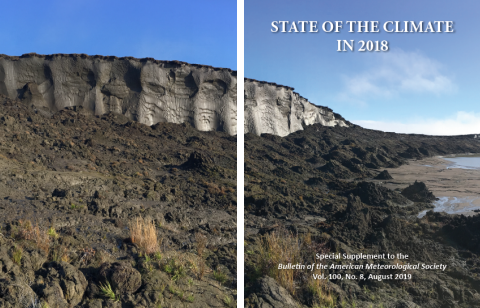
The climate system we share is big and complex. Assessments like the State of the Climate depend on expertise from around the world and around the sciences. This year's "Meet the Author" profile features two contributors to the African section of the "Regional Climates" chapter.
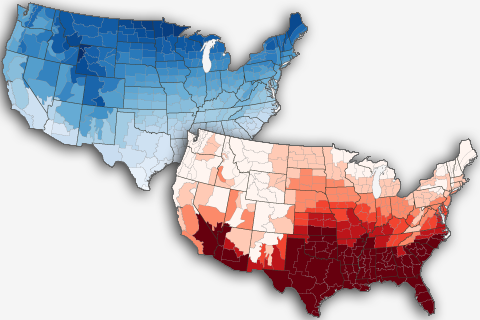
Average temperature maps can wash out days or weeks of hot and cold extremes that are important for things like energy planning and crop risk assessment. Jake Crouch explains how degree-day maps can bring back the details.
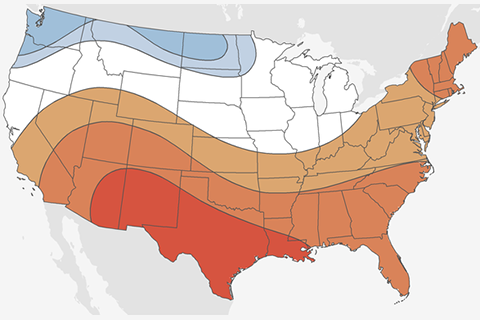
The Climate Prediction Center's Mike Halpert dives into the 2017-2018 winter outlook, and talks about how La Niña winters today are different from La Niña winters of the past.
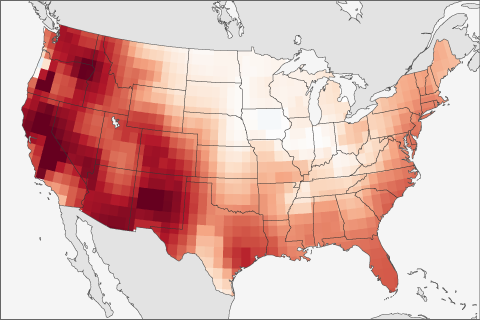
The forecast of ENSO is not the only thing scientists use when making seasonal forecasts. This post looks at another predictor that often is even better to use than ENSO.
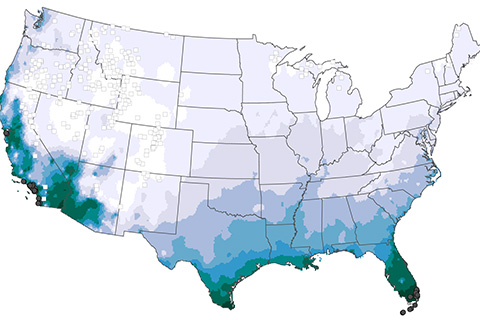
In mid-March, a cold air outbreak brought freezing temperatures to the Southeast devastating crops and causing over $1 billion in agricultural losses. For those of us who love fruit this is bad news. In this Beyond the Data post, we explain why it was so devastating even though freezing temperatures in mid-March aren’t that unusual for the Southeast.
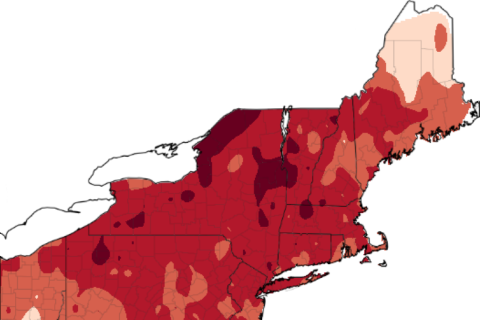
Yet another warm February left Northeast apple growers worrying if their crops will survive below-freezing spring temperatures. In this week's blog, Art DeGaetano of the Northeast Regional Climate Center talks about an online tool that helps apple growers estimate risk and damages to their yields based on bloom stage, historical climate data, and local temperature forecasts.
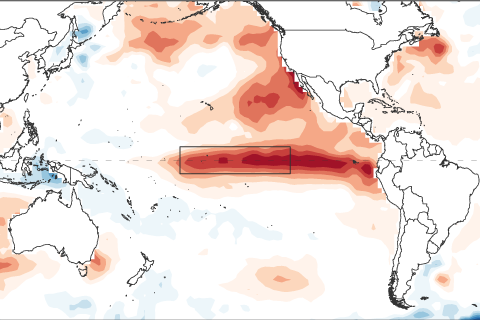
Warmer-than-average waters in the tropical Pacific are expected to reach their peak soon. How has El Niño affected global weather so far this year?
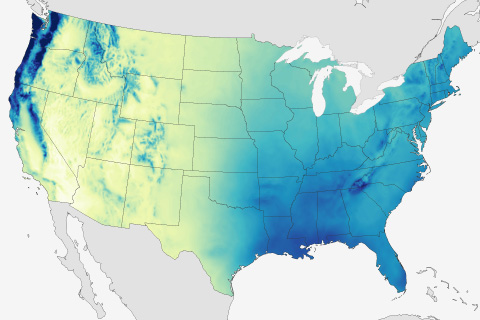
When it comes to what causes climate to vary over seemingly short distances, few things can compare to the influence of topography. This week in Beyond the Data, Jake Crouch talks about how climate scientists account for topography in interpreting climate patterns and trends.