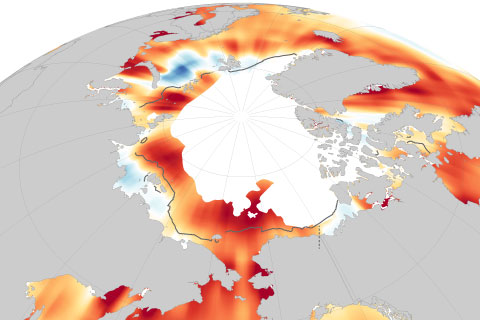
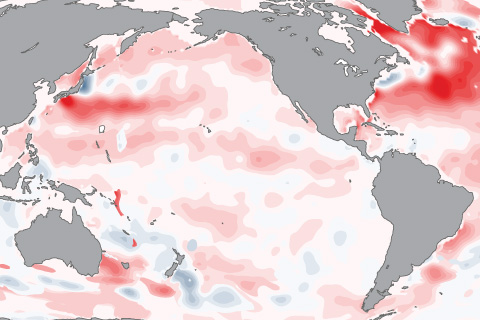
August sea surface temperatures in the Arctic are rising by as much as 1 degree Celsius (1.8 degrees Fahrenheit) per decade.
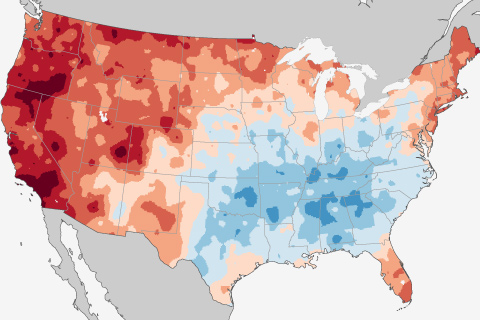
Warming in the West outstrips cooling in the East for a slight overall U.S. warming trend in the first month of fall.
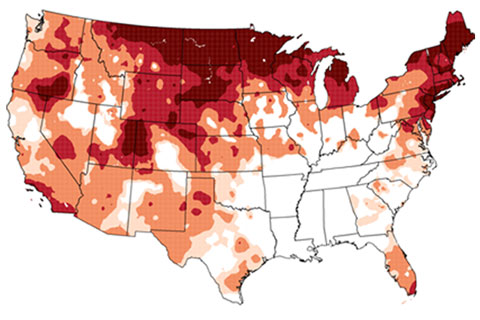
If the recent weather whiplash has left you wondering how U.S. winters are changing over time, NOAA climate maps tell the story.
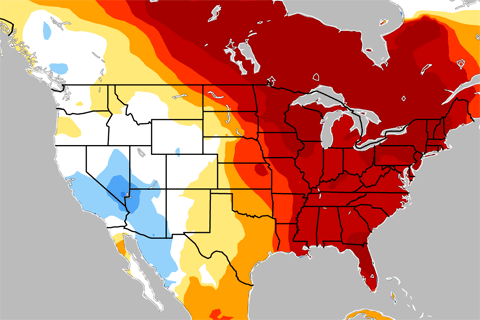
Was El Niño to blame for the above-average temperatures during November and December 2015? As always, the answer is not that simple.
How can warming at Earth’s surface have slowed when energy accumulation is growing? The role of our oceans—including ENSO—is key.