Released in 2023, the Fifth National Climate Assessment (NCA5) includes an Art × Climate gallery. This digital rendering of a public art installation by Carolina Aragon visualizes projected flooding due to sea level rise.
How will the current El Niño impact coastal flooding over the next year? Guest blogger William Sweet and his colleagues discuss how the combination of long-term sea level rise and El Niño have increased the risk of high-tide flooding along both U.S. coastlines.
The 2022 melt season on the Greenland Ice Sheet started slowly, but ended late, with multiple melt spikes in September.
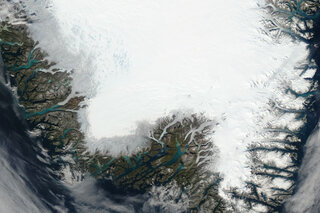
Unusually large, late melt spike on Greenland in September 2022
September 23, 2022
Global surface temperature was among the 6 warmest years on record, despite a "double-dip" La Niña event that chilled the Pacific much of the year.
Trend expected to continue into 2023 and beyond.
Use this interactive map to browse a collection of animated gifs showing monthly sea level at U.S. tide-monitoring stations over their lifetimes.
Data-driven tools will help communities accelerate equitable resilience.
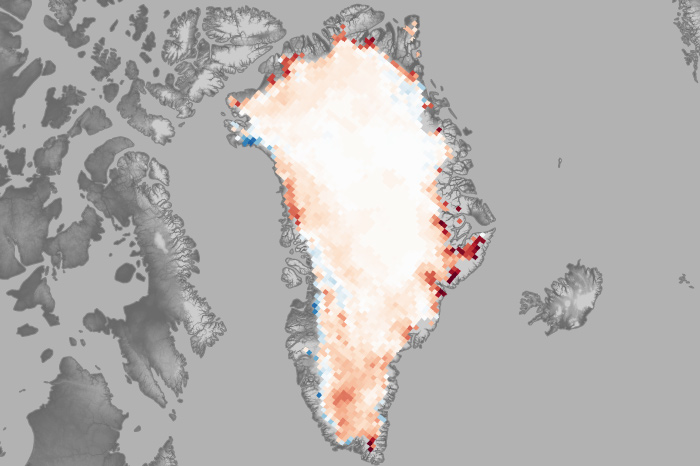
Greenland has lost ice mass every year since 1998. Losses in 2021 would have added about 0.2 millimeters to global sea level.
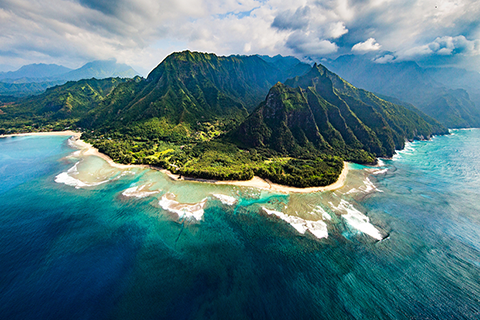
In a tweet chat featuring four NOAA marine experts, learn about the National Marine Ecosystem Status website, how to use it, and why you should care about the health of marine ecosystems.