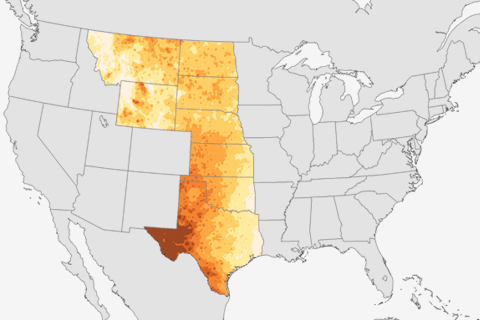
From soybeans and sunflowers in North Dakota to cotton and winter wheat in Texas, large stretches of croplands in the U.S. Great Plains rely exclusively on rain. Those croplands are likely to face longer dry spells by mid-century.
Our blogger gives us a sci-fi themed update on the status of ENSO. Can you count all the references?
La Niña conditions are waning, and a transition to ENSO-neutral is favored in the next month.
New Federal Advisory Committee members will provide feedback to improve NOAA’s climate tools and services.
A La Niña Watch has been issued by NOAA's Climate Prediction Center. But also, we are still in El Niño! Confused? Let the ENSO bloggers explain.
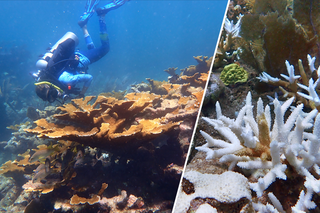
Last year's marine heat wave and coral bleaching was so unprecedented, NOAA had to add new risk levels to this satellite-based monitoring scale.
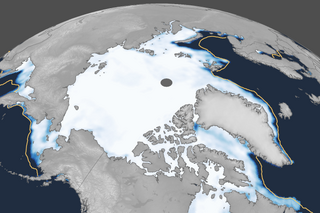
From record-high summer heat to the greening of the Arctic, this collection of images highlights several key "vital signs" of the Arctic.
Early development of the ozone hole was moderated by active weather that mixed in ozone-rich air from lower latitudes.