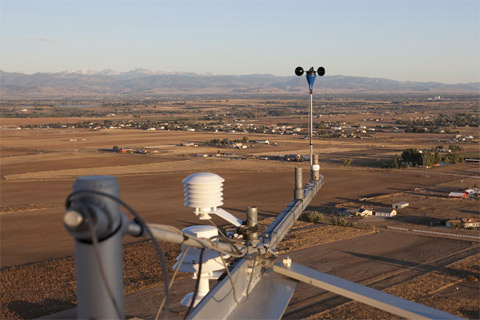
Instruments located high atop NOAA’s Boulder Atmospheric Observatory tower help scientists track carbon emissions and air quality in Colorado.
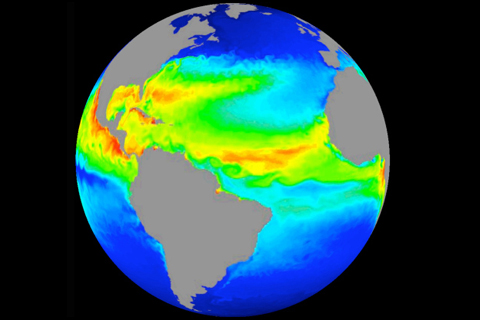
Improved computer models help scientists understand Earth’s ocean.

What Scientists Know Today About Climate
October 22, 2009
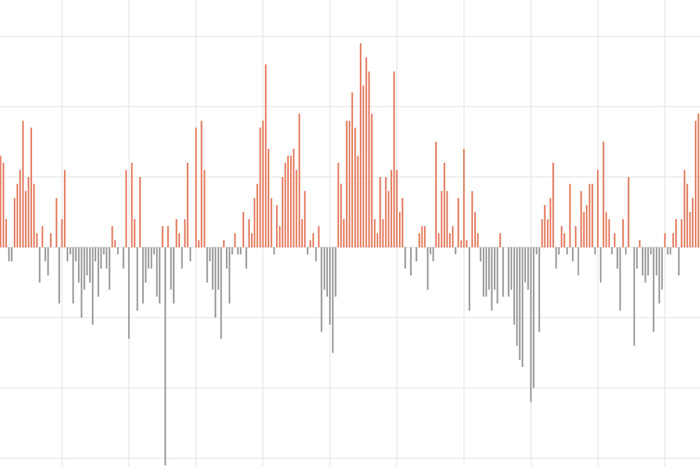
The Southern Oscillation Index tracks differences in air pressure between the eastern and western sides of the tropical Pacific.
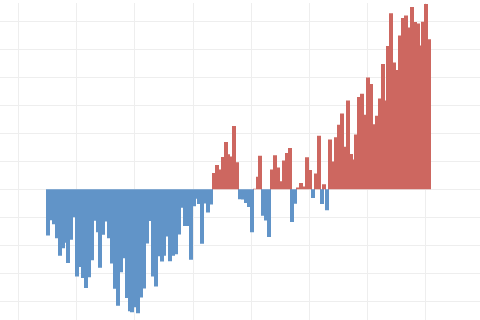
Earth's surface temperature has risen about 2 degrees Fahrenheit since the start of the NOAA record in 1850. It may seem like a small change, but it's a tremendous increase in stored heat.
March 2025 temperatures for the contiguous U.S. were the sixth-warmest in the 131-year record. Precipitation ranked in the middle third of the historical record.
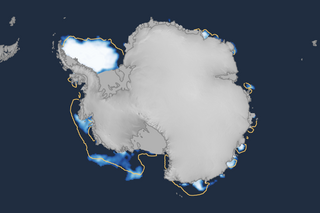
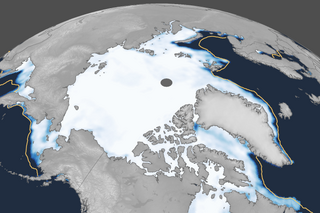
Temperatures were above average over much of the globe, particularly in the Arctic, but much below average over western Canada and the central United States.
Winter was warm and dry for the contiguous U.S.; seasonal snowfall was below average across the Northern Plains and Upper Midwest.