
While we cannot stop global warming overnight, or even over the next several decades, we can slow the rate and limit the amount of global warming by reducing human emissions of heat-trapping gases and soot.
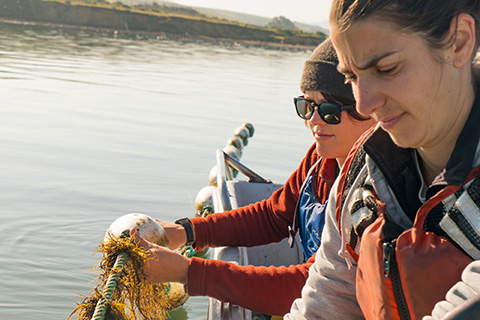
Looking for a sustainable alternative to harvesting wild seaweed, a small California company partnered with a commercial oyster grower to test-farm native seaweeds. The crop reduced pollution and buffered local ocean acidification.
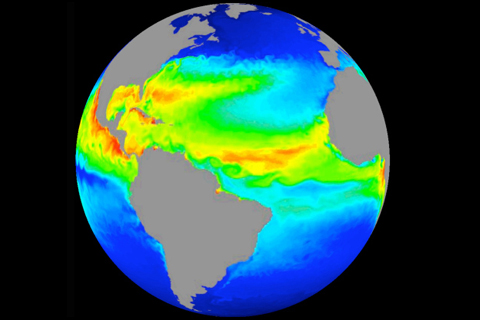
Improved computer models help scientists understand Earth’s ocean.

Carbon dioxide is everywhere: in the air, rising from cracks in the ocean floor, and in your soda can. Now it's showing up in the news! Find out why carbon dioxide is such a hot topic, and why it's going to be around for a long, long time.
The Arctic tundra, which has been a carbon sink for millennia, has shifted to become a carbon source.
One strategy for combating climate change is to enhance natural processes and/or deploy new technologies that remove carbon dioxide from the air and ocean.
From record-high summer heat to the greening of the Arctic, this collection of images highlights several key "vital signs" of the Arctic.