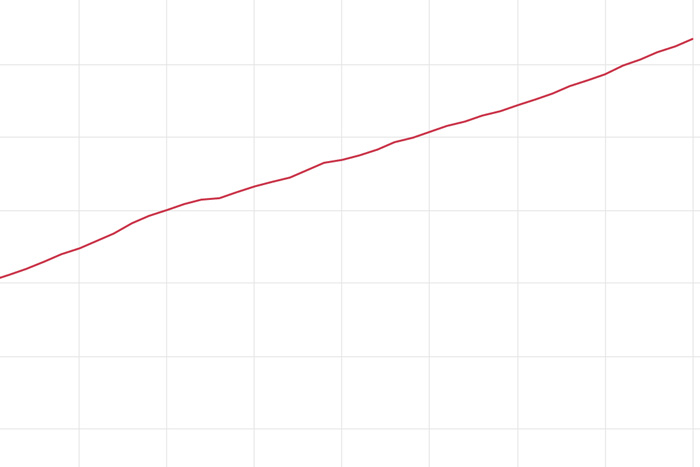
As of 2023, the warming effect of long-lived greenhouse gases in Earth's atmosphere had increased by 51% compared to 1990. Relative to pre-industrial times, today's atmosphere absorbs more than 3 extra watts of energy per square meter.
NOAA is expanding ocean measurements of carbon dioxide to under-observed, climate-critical regions by installing a new generation of sensors on the NOAA Ship Ronald H. Brown and several other U.S. government and academic research vessels.
At current rates, the Global Carbon Budget estimates, there’s a 50 percent likelihood that global average air temperatures will regularly exceed the 1.5-degree Celsius target (2.7 degrees Fahrenheit) by 2031.